Yellow Eye Snapper (Ocyurus chrysurus): The Caribbean’s Flashy Predator with a Golden Gaze
The Yellow Eye Snapper is no wallflower in the reef scene. Known scientifically as Ocyurus chrysurus, this fish stands out with its striking yellow eyes and vibrant body colors. It’s a species that commands attention not just for its looks but for its role in the marine ecosystem. If you’re diving into Yellow Eye Snapper facts, you’re about to meet a fish that’s as bold as it is ecologically significant.
What Makes the Yellow Eye Snapper Unique?
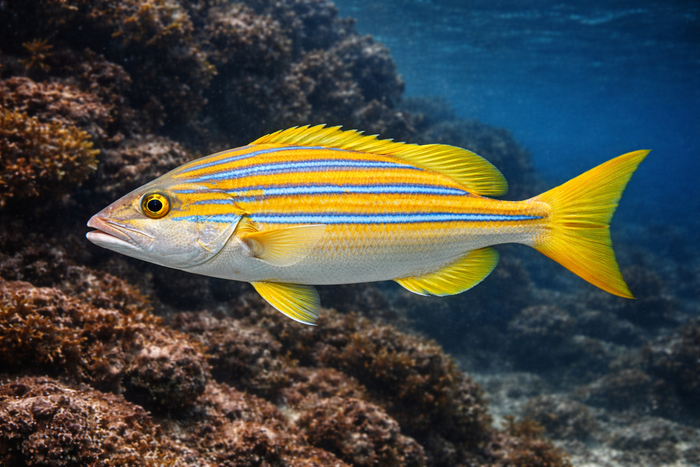
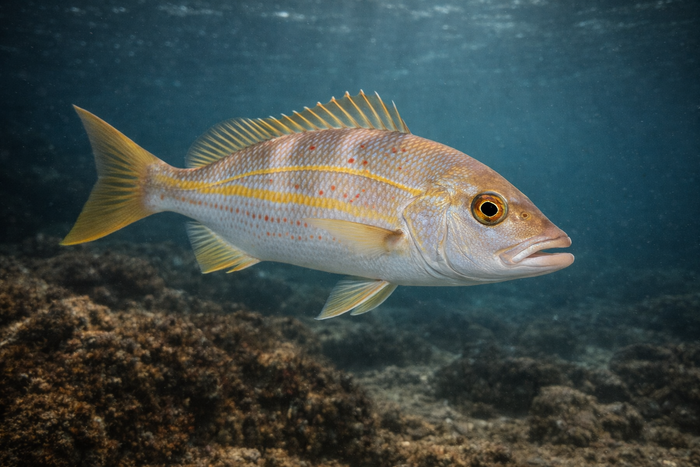
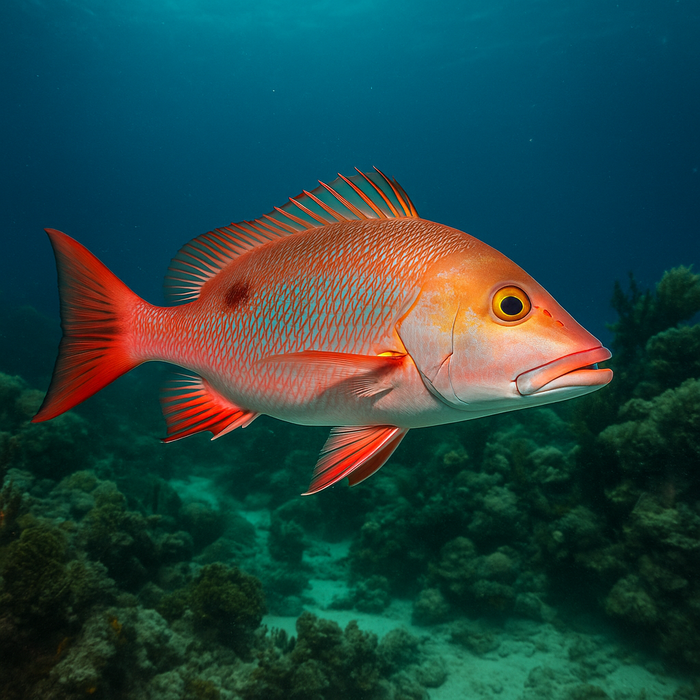
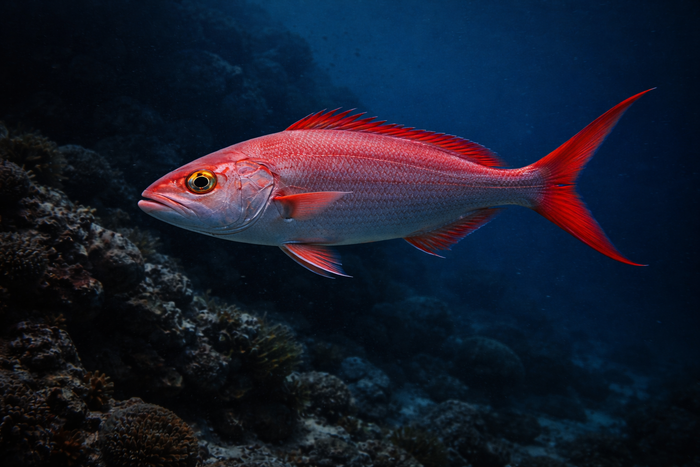
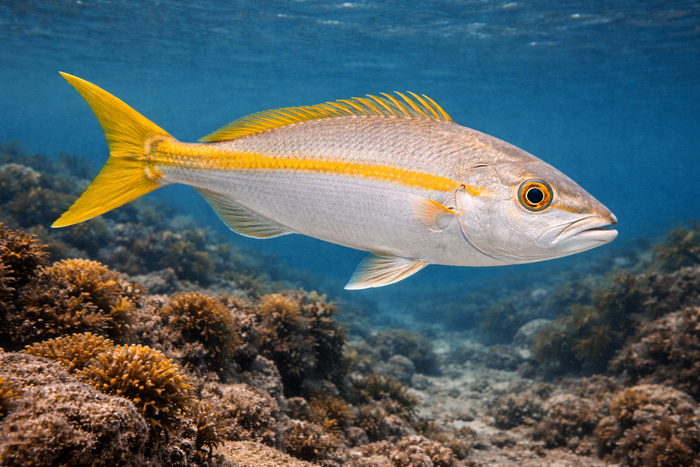
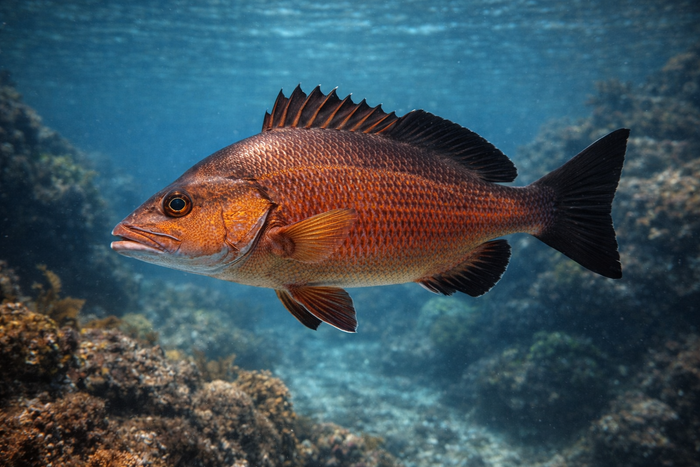
First off, the Yellow Eye Snapper’s signature feature is, of course, its bright yellow eyes that seem to glow against the backdrop of its reddish body. This isn’t just for show; the coloration plays a role in communication and camouflage among the coral reefs. Unlike many snappers that stick to duller hues, this species flaunts a palette of reds, yellows, and silvers, making it one of the more visually arresting members of the snapper family.
Its body shape is streamlined yet robust, built for quick bursts of speed to ambush prey. The Yellow Eye Snapper’s diet is varied, including smaller fish, crustaceans, and cephalopods, showcasing its adaptability as a predator. Another standout trait is its schooling behavior. While many snappers are solitary or found in small groups, Yellow Eye Snappers often form large schools, which can be a spectacular sight and a strategic advantage against predators.
Habitat & Global Range
The Yellow Eye Snapper calls the western Atlantic Ocean home, with a stronghold in the Caribbean Sea, the Gulf of Mexico, and along the southeastern coast of the United States. Its preferred Yellow Eye Snapper habitat includes coral reefs, rocky ledges, and sandy bottoms at depths ranging from shallow waters to about 100 meters.
This species thrives in warm, tropical waters where reefs provide both shelter and hunting grounds. The complex structure of coral reefs offers ample hiding spots from larger predators and abundant prey. Their presence is a reliable indicator of healthy reef systems, making their habitat choice a critical factor in their survival and ecological role.
Behavior & Temperament
Yellow Eye Snappers are not the shy, skittish types. They exhibit a confident, sometimes aggressive demeanor, especially when defending territory or during feeding frenzies. Their schooling behavior is not just for show; it’s a tactical move to confuse predators and increase hunting efficiency.
They are diurnal hunters, active during the day, using their keen eyesight to spot prey. Their sharp teeth and powerful jaws allow them to crush crustacean shells and capture elusive fish. Despite their predatory nature, they are also prey for larger fish, sharks, and humans, which keeps their population dynamics in check.
Ecological Importance
In the reef ecosystem, the Yellow Eye Snapper plays a dual role as both predator and prey. By controlling populations of smaller fish and invertebrates, they help maintain the balance necessary for coral health. Overpopulation of certain prey species can lead to reef degradation, so the snapper’s predation is a natural check.
Their schooling behavior also influences reef dynamics. Large groups can impact the distribution of prey species and even affect the behavior of other predators. Additionally, as prey for larger marine animals, they are a vital link in the food web, transferring energy up the chain.
Conservation & Environmental Pressures
Despite their robust presence, Yellow Eye Snappers face significant threats. Overfishing is the primary concern, driven by their popularity in commercial and recreational fisheries. Their schooling nature makes them vulnerable to netting and trapping, which can quickly deplete local populations.
Habitat degradation is another major pressure. Coral reefs worldwide are under siege from climate change, pollution, and destructive fishing practices. Since Yellow Eye Snapper habitat is closely tied to reef health, any damage to these ecosystems directly impacts their survival.
Conservation efforts focus on sustainable fishing regulations, marine protected areas, and reef restoration projects. Monitoring populations and enforcing catch limits are crucial steps to ensure this species remains a vibrant part of the reef community.
The FishyAF Take
The Yellow Eye Snapper is a standout species that deserves more than just a passing glance. Its striking appearance and bold behavior make it a favorite among divers and anglers alike, but it’s the ecological role that truly cements its importance. Understanding Yellow Eye Snapper facts isn’t just about appreciating a flashy fish; it’s about recognizing a key player in reef ecosystems that helps keep the underwater world balanced.
If you care about the future of coral reefs and the species that depend on them, the Yellow Eye Snapper should be on your radar. Protecting this fish means protecting the reefs, and by extension, the countless species that call those reefs home. It’s a reminder that in the ocean, every flashy eye and every sharp tooth has a purpose.