Yellowtail Snapper (Ocyurus chrysurus): The Flashy Caribbean Speedster You Can’t Ignore
The Yellowtail Snapper is the Caribbean’s neon sign in the reef world. With its vibrant yellow tail and sleek, streamlined body, it’s a fish that demands attention both underwater and on the end of a fishing line. Known scientifically as Ocyurus chrysurus, this species is a favorite among anglers and divers alike. But beyond its flashy looks, the Yellowtail Snapper plays a crucial role in its ecosystem and offers plenty of fascinating Yellowtail Snapper facts that make it a standout in the snapper family.
What Makes the Yellowtail Snapper Unique?
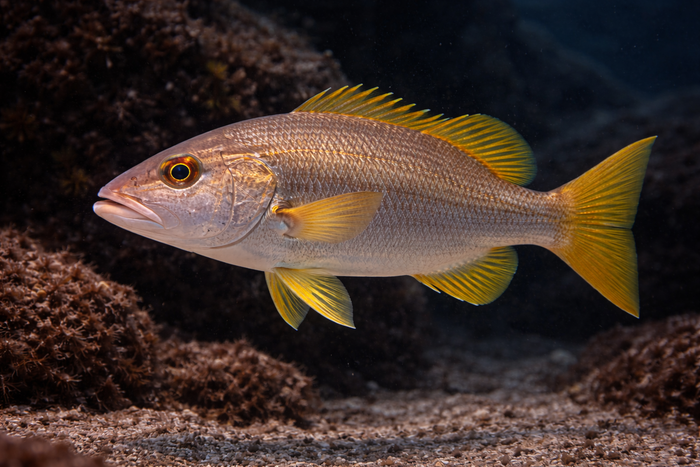
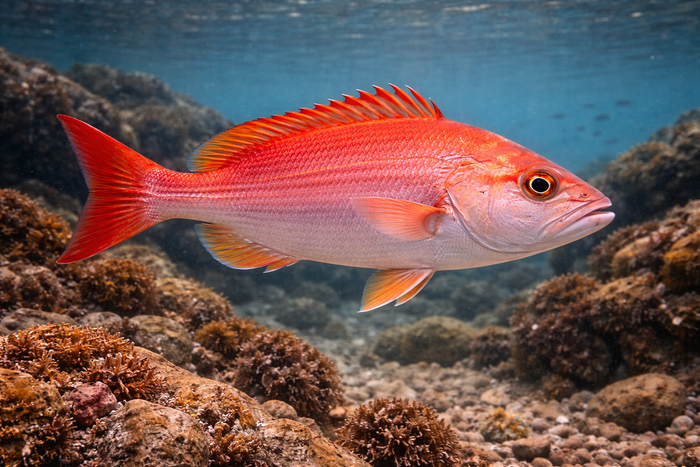
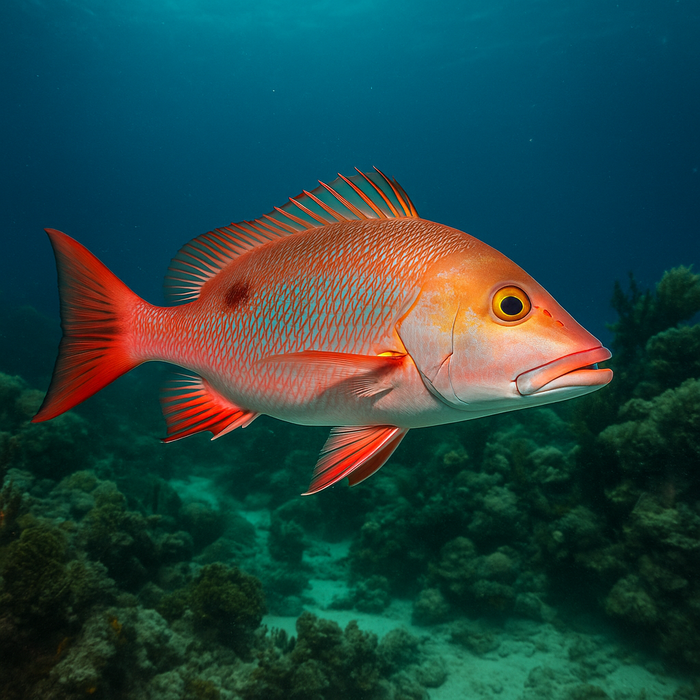
First off, the Yellowtail Snapper’s signature feature is its bright yellow tail fin, which contrasts sharply with its silver body streaked by a yellow stripe running from snout to tail. This isn’t just for show. The coloration provides camouflage amid coral and seagrass beds, breaking up its outline to confuse predators and prey. Unlike many snappers that prefer deeper waters, Yellowtail Snappers are often found in shallower reefs, making them more accessible to divers and fishermen.
Another unique trait is their speed and agility. These fish are built for quick bursts, darting through reefs with precision. Their diet is equally varied, feeding on small fish, crustaceans, and plankton, which makes them opportunistic predators. This adaptability in feeding helps maintain the balance of reef ecosystems.
Habitat & Global Range
Yellowtail Snapper habitat is primarily centered in the western Atlantic Ocean, stretching from Massachusetts down through the Gulf of Mexico, the Caribbean Sea, and along the coast of South America. They thrive in tropical and subtropical waters, favoring coral reefs, rocky ledges, and seagrass beds typically between 10 and 100 feet deep.
Their preference for clear, warm waters with abundant reef structures means they are most commonly spotted around the Florida Keys, Bahamas, and throughout the Caribbean islands. These environments provide ample shelter and feeding opportunities, making them ideal Yellowtail Snapper habitat. Seasonal migrations occur, often influenced by water temperature and spawning cycles, but they generally remain within these tropical zones.
Behavior & Temperament
Yellowtail Snappers are social fish, often seen schooling in groups that can number from a handful to several dozen individuals. This schooling behavior offers protection against predators and increases feeding efficiency. They are diurnal hunters, active during the day when their prey is most available.
Despite their schooling nature, they can be territorial during spawning seasons. Males establish and defend small territories to attract females. Their spawning behavior is a spectacle of synchronized swimming and rapid movements, maximizing reproductive success.
In terms of temperament, Yellowtail Snappers are curious but cautious. Divers often report these fish approaching closely but darting away at the slightest hint of danger. For anglers, they are prized for their fight; quick, agile, and not easily fooled, they provide a challenging catch.
Ecological Importance
Yellowtail Snappers are more than just pretty faces on the reef. They occupy a mid-level predator role, controlling populations of smaller fish and invertebrates. This predation helps maintain species diversity and prevents any one group from dominating the reef ecosystem.
Their feeding habits also contribute to nutrient cycling. By consuming prey and excreting waste, they help redistribute nutrients across the reef, supporting coral health and the broader marine food web.
Additionally, Yellowtail Snappers serve as prey for larger predators like groupers, sharks, and barracudas. This positions them as a vital link in the food chain, sustaining the health and balance of reef communities.
Conservation & Environmental Pressures
Despite their abundance, Yellowtail Snapper populations face several environmental pressures. Overfishing is a significant concern, especially in heavily trafficked areas like the Florida Keys and Caribbean tourist hotspots. Their popularity as a food fish and sport catch has led to localized declines in some regions.
Habitat degradation also poses a threat. Coral reef destruction from climate change, pollution, and coastal development reduces the available shelter and feeding grounds essential for their survival. Ocean acidification and warming waters further stress reef ecosystems, indirectly impacting Yellowtail Snapper habitat quality.
Management efforts, including size and bag limits, seasonal closures, and marine protected areas, aim to sustain Yellowtail Snapper populations. These measures are crucial to prevent overexploitation and ensure that this species remains a vibrant part of reef ecosystems.
The FishyAF Take
The Yellowtail Snapper is a prime example of how beauty and ecological importance can coexist in one fish. Its striking appearance makes it a favorite target for anglers and a joy for divers, but it’s the species’ role in reef dynamics that truly earns it respect. Understanding Yellowtail Snapper facts and habitat needs is essential for anyone serious about marine conservation or fishing.
If you want a fish that’s fast, flashy, and fundamental to reef health, the Yellowtail Snapper fits the bill. Just remember, keeping their populations healthy means respecting fishing limits and protecting their reef homes. Because when the Yellowtail Snapper thrives, the reef thrives—and that’s good news for everyone who loves the ocean.