School Master Snapper (Lutjanus apodus): The Caribbean’s Flashy Predator That Commands Attention
The School Master Snapper is a standout in the snapper family, known for its striking appearance and bold presence in tropical waters. This fish isn’t just another reef dweller; it’s a key player in marine ecosystems and a favorite target for anglers who know their stuff. If you’re diving into School Master Snapper facts, you’re about to meet a species that blends beauty, behavior, and ecological significance into one sharp package.
What Makes the School Master Snapper Unique?
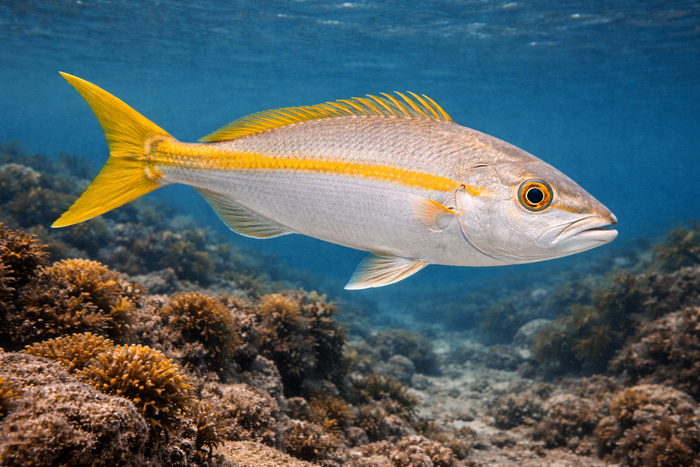
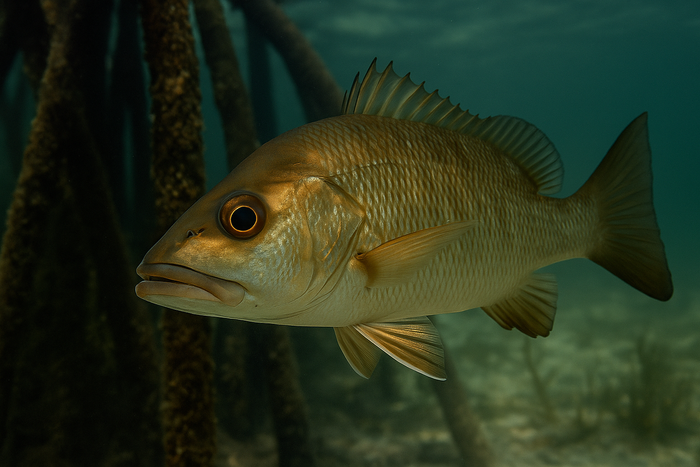
The School Master Snapper is instantly recognizable by its vibrant yellow stripes running along a silvery body, accented with a distinctive black spot near the pectoral fin. This coloration isn’t just for show—it’s a signal in the underwater world, helping individuals identify each other and maintain social cohesion. Unlike many snappers that prefer to lurk solo or in small groups, the School Master Snapper often forms large schools, a behavior that influences its feeding and defense strategies.
Its robust body and powerful jaws make it an efficient predator, feeding primarily on smaller fish and crustaceans. But what really sets this species apart is its adaptability. It thrives in a variety of environments, from shallow seagrass beds to deeper reef slopes, showcasing a versatility that many other snappers lack. This adaptability is a key factor in its survival and widespread distribution.
Habitat & Global Range
School Master Snapper habitat spans the warm waters of the western Atlantic Ocean, with a stronghold in the Caribbean Sea. You’ll find them from the Florida Keys down through the Bahamas, along the coasts of Central and South America, and around numerous Caribbean islands. They favor coral reefs, rocky outcrops, and seagrass beds, typically at depths ranging from 3 to 30 meters.
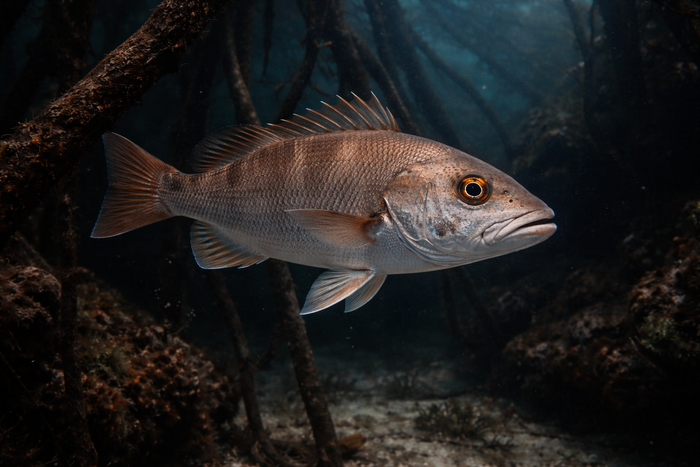
Their preference for structured habitats provides shelter from predators and abundant feeding opportunities. Juveniles often hang out in mangroves and shallow seagrass areas, which act as nurseries, while adults patrol reef slopes and drop-offs. This range of habitats within their territory reflects their life cycle needs and contributes to their resilience in the face of environmental changes.
Behavior & Temperament
School Master Snappers are social fish, often found in large schools that can number in the hundreds. This schooling behavior is not just a defensive tactic; it also enhances their hunting efficiency. By moving as a coordinated group, they can herd prey and reduce individual risk from predators.
They are diurnal hunters, active during the day when their bright colors are most visible. Their diet consists mainly of small fish, shrimp, and other crustaceans, which they ambush with quick bursts of speed. Despite their bold appearance, they can be shy around divers, often retreating to the safety of the reef when approached too closely.
In terms of temperament, they are not aggressive towards humans but will defend their territory against smaller fish and intruders. Their schooling nature means they rely on numbers for protection rather than individual aggression.
Ecological Importance
The School Master Snapper plays a critical role in maintaining the balance of reef ecosystems. As mid-level predators, they help control populations of smaller fish and invertebrates, preventing any one species from dominating and disrupting the delicate reef community. Their feeding habits contribute to the health of coral reefs by keeping prey populations in check.
Additionally, their juveniles’ reliance on mangroves and seagrass beds highlights their importance in connecting different marine habitats. These nursery areas are crucial for the survival of many marine species, and the presence of School Master Snapper juveniles indicates a healthy, functioning ecosystem.
Their role as prey for larger predators also places them as an essential link in the food web. Sharks, groupers, and barracudas count on snappers like the School Master to sustain their populations, making this species a cornerstone of marine biodiversity.
Conservation & Environmental Pressures
Despite their adaptability, School Master Snapper populations face challenges from overfishing and habitat degradation. They are a popular target for commercial and recreational fisheries due to their size and taste, which can lead to localized declines if not managed properly.
Habitat loss is another significant threat. Coastal development, pollution, and climate change impact the mangroves, seagrass beds, and coral reefs that are vital to their life cycle. Coral bleaching and ocean acidification reduce the structural complexity of reefs, diminishing shelter and hunting grounds.
Conservation efforts focus on sustainable fishing practices, marine protected areas, and habitat restoration. Monitoring populations and enforcing size and catch limits are essential to ensure that the School Master Snapper remains a thriving part of the Caribbean marine landscape.
The FishyAF Take
The School Master Snapper is more than just a flashy fish to catch or admire. It’s a resilient, adaptable predator that plays a pivotal role in the health of tropical reef ecosystems. Its schooling behavior, vibrant appearance, and ecological significance make it a species worth knowing and protecting.
If you’re serious about understanding Caribbean marine life, the School Master Snapper is a must-study. It teaches us about the interconnectedness of habitats, the importance of predator-prey dynamics, and the impact humans have on marine environments. Respect this fish, fish it responsibly, and support efforts to keep its habitats intact. The School Master Snapper isn’t just a snapper—it’s a masterclass in marine survival and ecosystem balance.