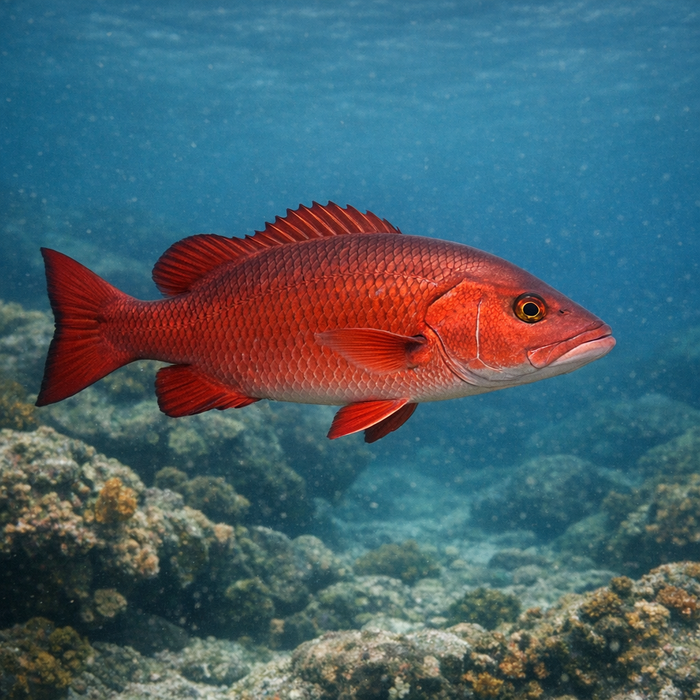
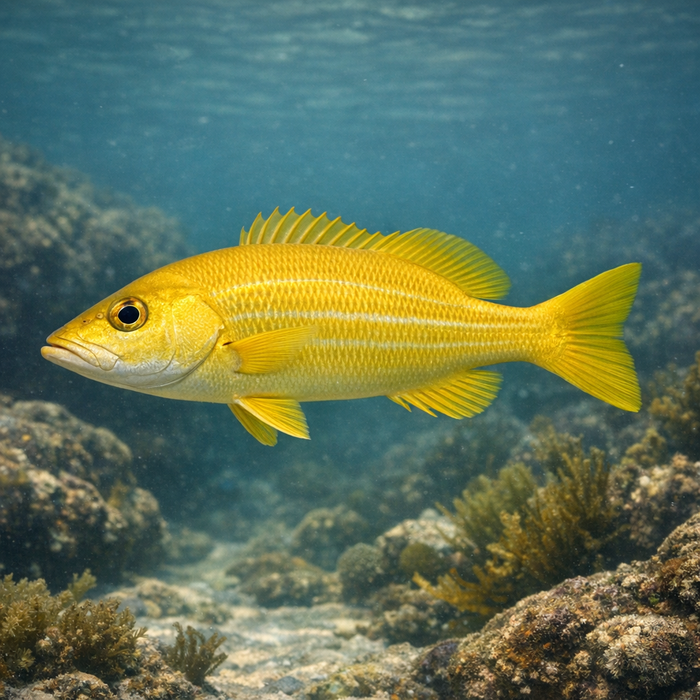
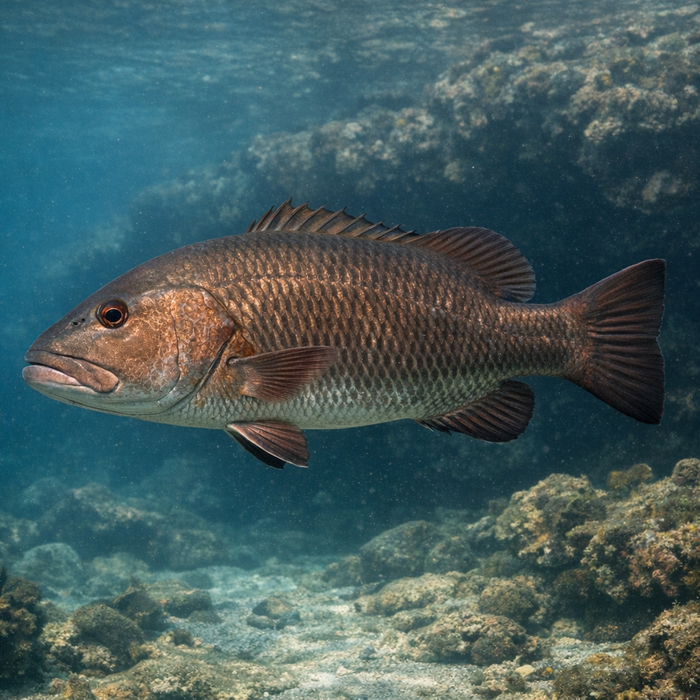
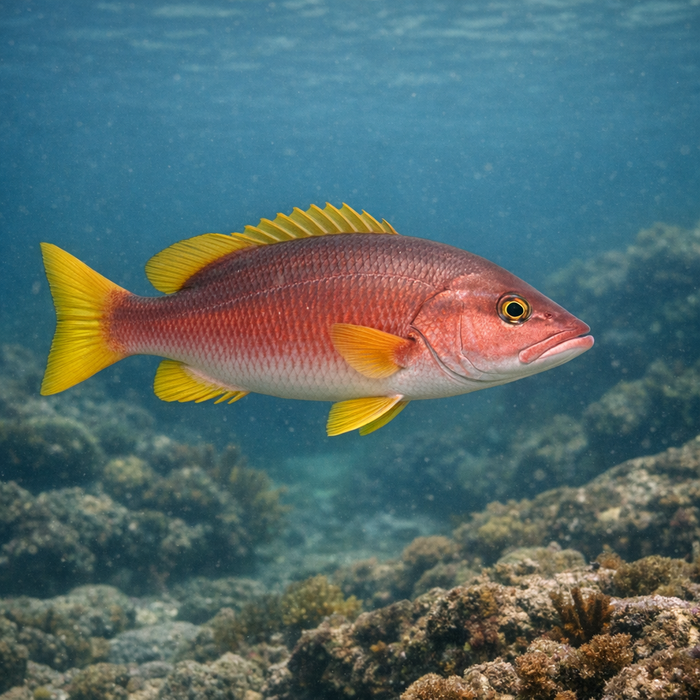
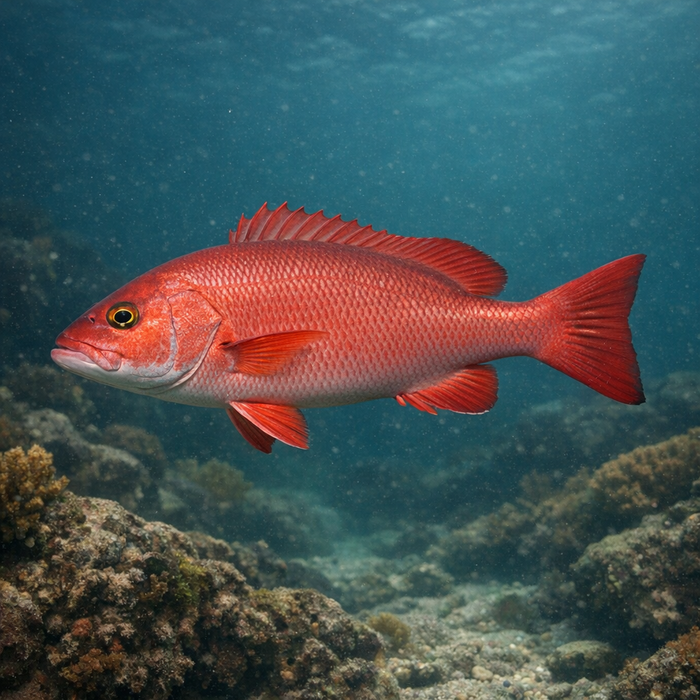
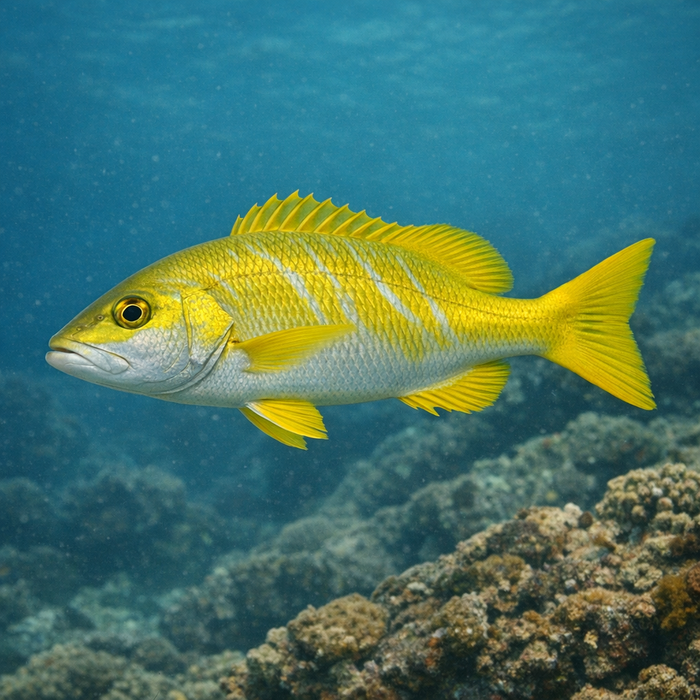
Mahogany Snapper (Lutjanus mahogoni): A Bold, Memorable Hook LineIntroductionThe mahogany snapper is the reef's underestimated overachiever. It won't win any heavyweight belts, but it brings color, attitude, and reliable action where it counts. Slide a bait down to a patch reef at dusk and suddenly the water feels busier. That rosy-bronze flash with the dark shoulder spot and red-tinged eye? Yeah, that's them clocking in for the night shift.What Makes the Mahogany snapper Unique?Start with that trademark look: a polished silver body washed in warm mahogany tones, edged by coppery fins, and a clean round spot below the rear dorsal spines. They're fast gear-shifters too, changing color intensity in seconds when excited or wary. And while many snappers grow big and brawny, the mahogany snapper stays compact. That actually makes them perfect for light-tackle fun where sensitivity and finesse get rewarded. Add a red iris that glows in low light and you've got a fish that looks as bold as it bites.Habitat & Global RangeIf you're hunting mahogany snapper habitat, think edges with options. Patch reefs, rubble slopes, low ledges, and small wrecks are the home base, with nearby sand or seagrass acting like a nightly buffet run. This species is most common from South Florida and the Keys through the Bahamas and down the Caribbean, continuing along parts of the Gulf and into northern South America. They work in a practical depth band for small boats, generally from 30 to 200 feet, though the sweet spot for consistent action is often the shallower end of that range. Current, clean water, and some kind of broken structure seal the deal. For quick scouting: look for bait clouding over reef fingers, then fish the shadow lines.Behavior & TemperamentMahogany snapper aren't reckless, but they're not primadonnas either. They school loosely, pick off invertebrates and small fish, and amp up during low light. They'll nip a bait fast, inspect, and ghost off if something feels wrong. Think of them as medium-aggressive but high on quality control. At night, they leave tighter structure and roam, which spreads out the action yet opens more ambush lanes. Hooked fish fight above their weight with sprints and headshakes, then try the oldest trick in the book: scrape you off on the nearest coral knob. Keep pressure tight and angles smart.Ecological ImportanceAs mid-level predators, mahogany snapper help tune the reef's balance. They keep small fish and crunchy invertebrates honest, while larger predators keep them honest. That energy flow matters. Healthy numbers of mahogany snapper signal patch reefs with working food webs and enough structure to support nursery life. They also bridge the gap between purely inshore fisheries and true bluewater game, keeping light-tackle anglers engaged around accessible habitat.Conservation & Environmental PressuresOverall, the species is in decent shape across much of its range, but it's not bulletproof. Localized overfishing, loss of coral cover, and water quality swings can dent numbers. Reefs that lose complexity shed hiding spots and prey production, which filters straight up to snappers. Regulations vary by country and territory; many areas manage size and bag limits or designate protected zones. Responsible harvest, accurate ID, and using circle hooks where required all help. The smartest play is always to check current rules before you drop a bait.The FishyAF TakeThe mahogany snapper is the reef's reliable plus-one: gorgeous, scrappy, and totally game for light tackle. If you want fast feedback on presentation and leader choice, this fish tells on you instantly. Dialed-in anglers treat them as a skill check before moving deeper for bigger models. Come for the bites, stay for the fillets, and enjoy the showy colors while you're at it. For quick Mahogany snapper facts and Mahogany snapper habitat cues, remember this: edges produce, current helps, and low light is your greenlight.