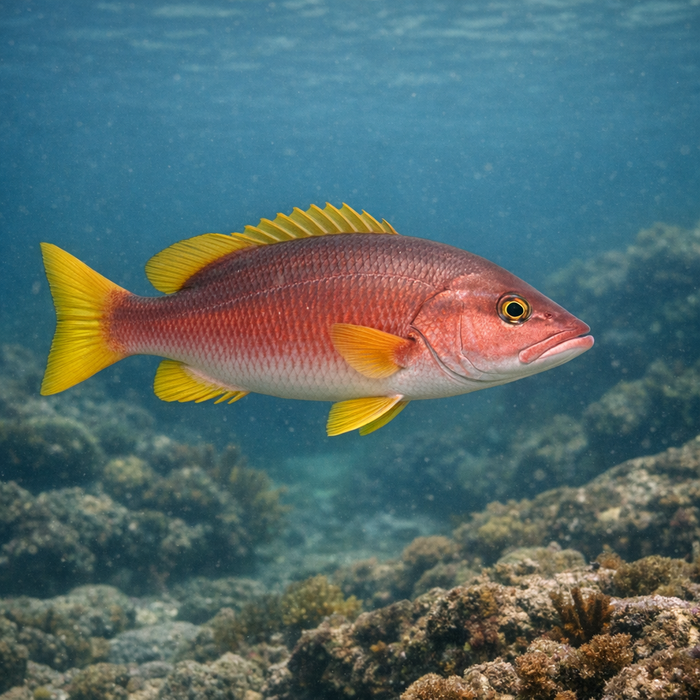
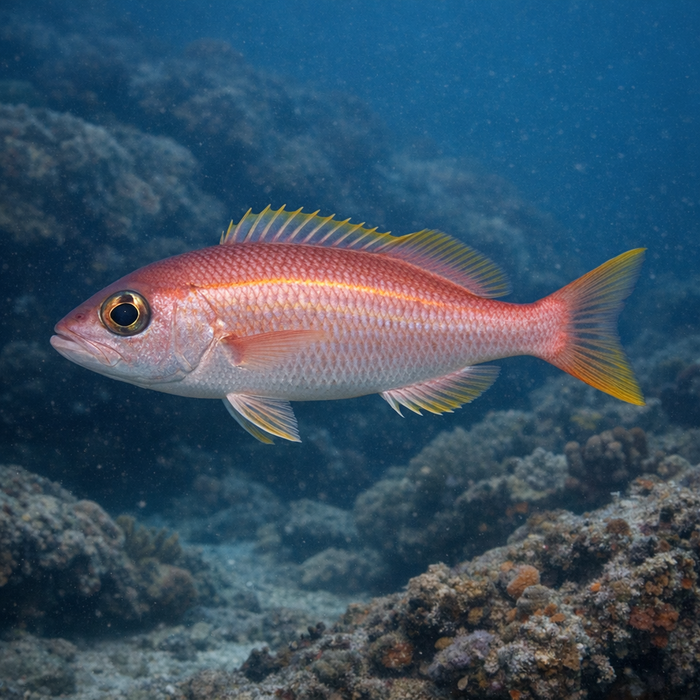
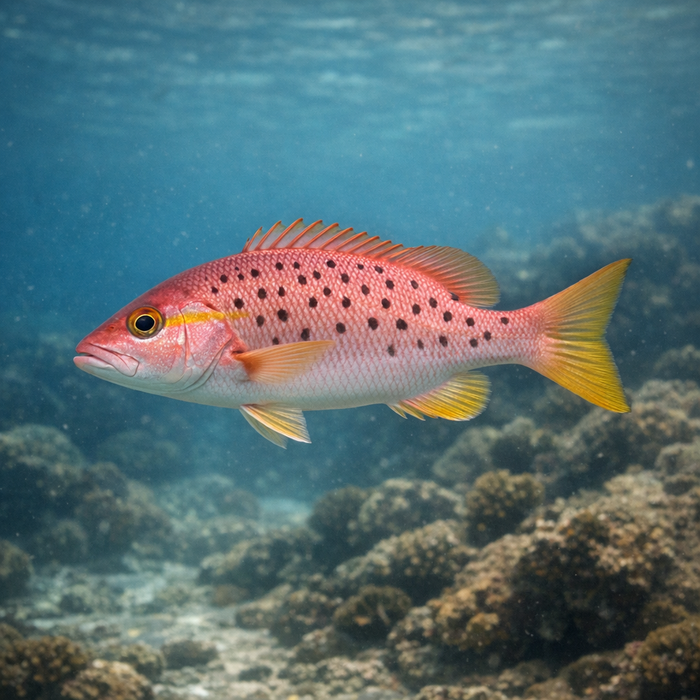
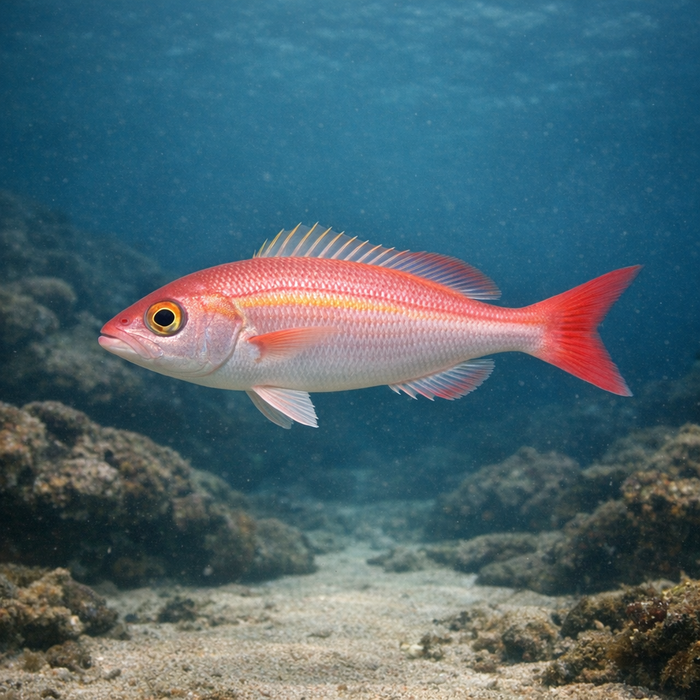
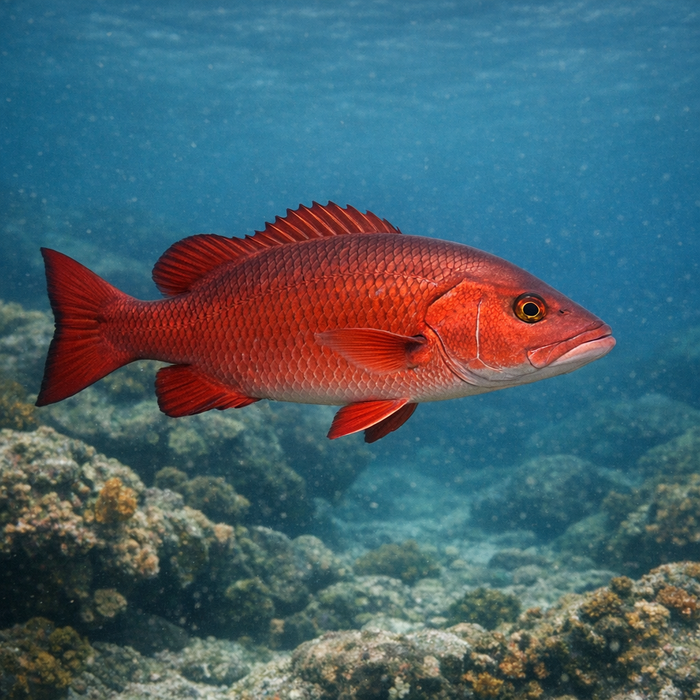
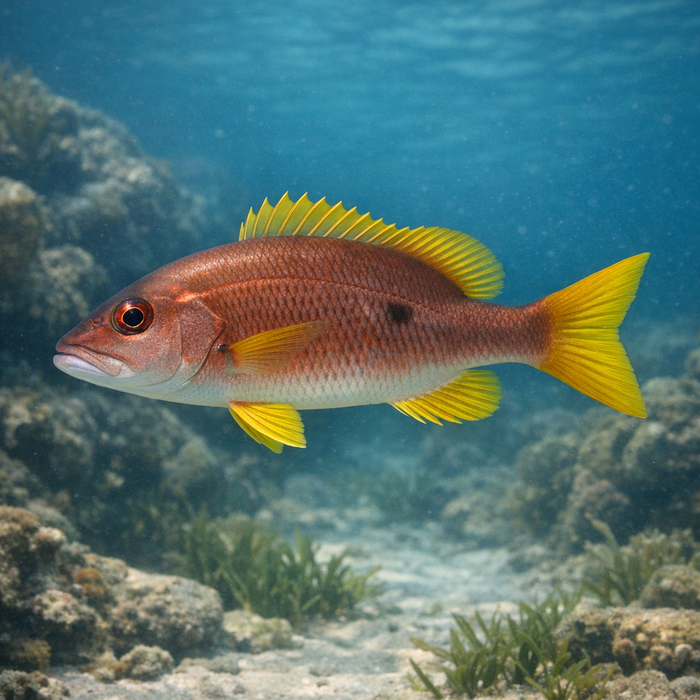
Pacific Red Snapper (Lutjanus peru): A Bold, Memorable Hook LineIntroductionThe Pacific red snapper is the classic reef bruiser of the Eastern Pacific: all business, big teeth, and zero patience for sloppy presentations. If you like hard thumps, bulldog runs, and filet-worthy payoffs, this snapper's your huckleberry. It's the fish you picture posted up on a rock pile, daring your bait to get within a foot of its face. Here are the Pacific red snapper facts and nuance that separate a lucky day from a routine beatdown.What Makes the Pacific red snapper Unique?First, power-to-size. Pacific red snapper punch far above their weight, using the reef like a street fighter uses a brick wall. Second, color-shifting swagger. They can fade from copper to sandy gray in seconds, matching whatever bottom you're hovering over. Third, those canines. They don't nibble; they pin, crush, and inhale. That combo of brawn, camouflage, and hardware makes lost fish a feature, not a bug, when you undergun your setup.Habitat & Global RangePacific red snapper habitat is classic structure country: rocky reefs, ledges, wreckage, and current-swept drop-offs from the Gulf of California down through Central America and into Peru and the Galapagos region. Depths run from surf-line rubble to well over 200 feet, with a sweet spot where current energizes bait lanes. You won't usually get them on glassy flats or bluewater edges; think craggy terrain, sand patches between rock fingers, and ambush points where bait funnels with the tide.Behavior & TemperamentThey're ambush predators with schooling tendencies, often stacking by size class. Hook one keeper and odds are good there's a squad. They feed best when current flips on, especially at dawn and dusk. The bite is rarely subtle: a freight-train thud followed by a short, savage run to the nearest rock before you can even say "drag." They'll grunt when fired up and can be spooky on pressured reefs, sliding off the structure if boats drop loud hardware on their heads.Ecological ImportancePacific red snapper tie together reef food webs. They keep mid-level baitfish honest, cycle nutrients by moving between shallow and deeper structure, and serve as groceries for larger apex predators. Their presence signals healthy prey density and functioning current lines. Remove too many and you don't just lose fillets; you flatten a key link that shapes which critters dominate a reef.Conservation & Environmental PressuresThey face the usual suspects: localized overharvest, spawning aggregation hits, and habitat degradation from coastal development. Because they're structure-huggers and popular in markets, fishing pressure can concentrate on predictable spots. The species is considered Least Concern overall, but that label doesn't magically protect a reef that gets leaned on every day. Smart harvest and occasional self-imposed breathers on small home reefs go a long way.The FishyAF TakePacific red snapper are the blue-collar heroes of Eastern Pacific structure fishing. No drama, just violence and dinner. Fish tight to the junk, use leader that can actually survive barnacles, and don't cheap out on hooks. Respect the fish, respect the reef, and enjoy the thump. You'll remember the ones you boat-and the ones that surgically part your line two cranks off the bottom. That's the deal with Pacific red snapper: pay attention, or pay tax.