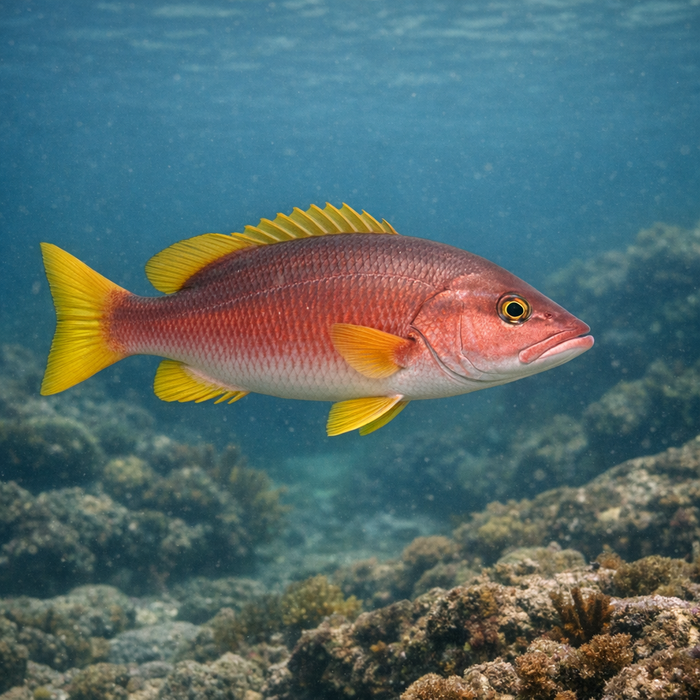
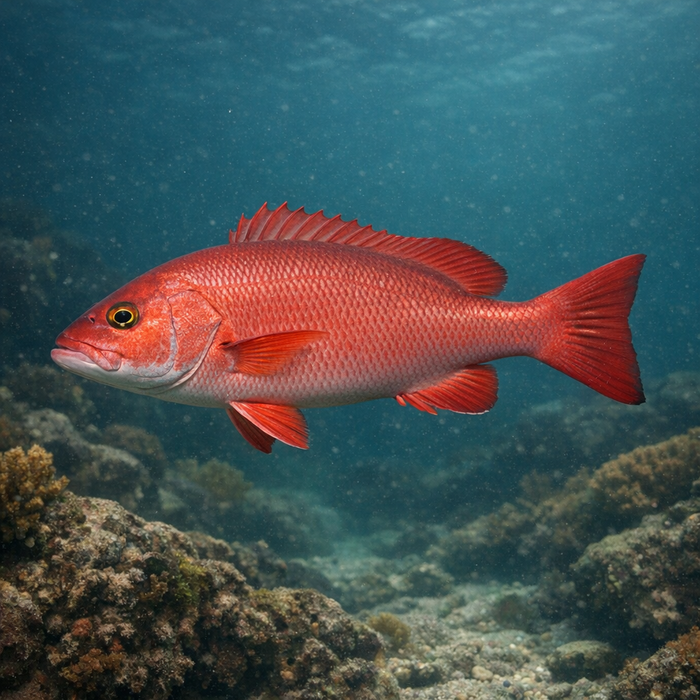
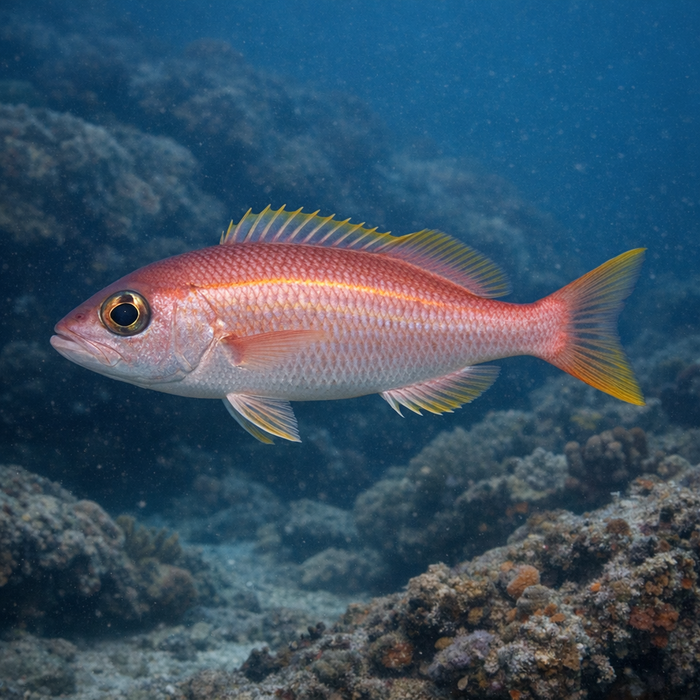
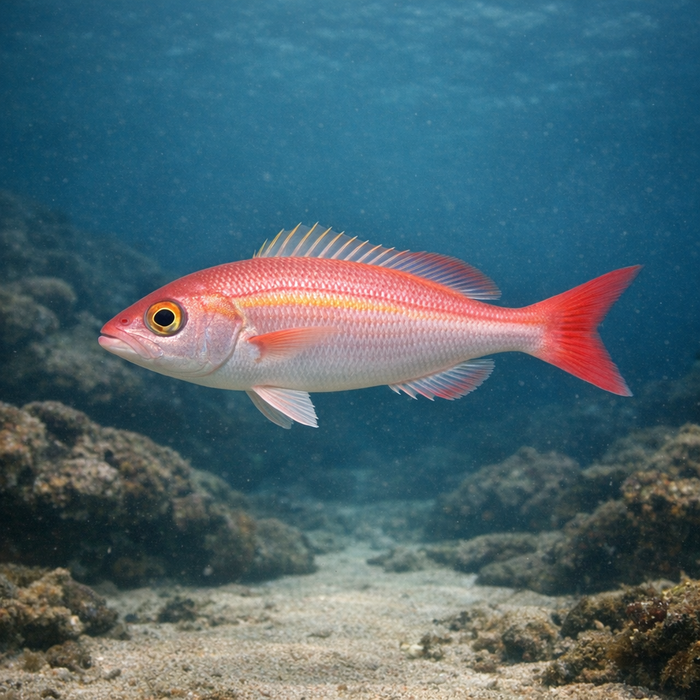
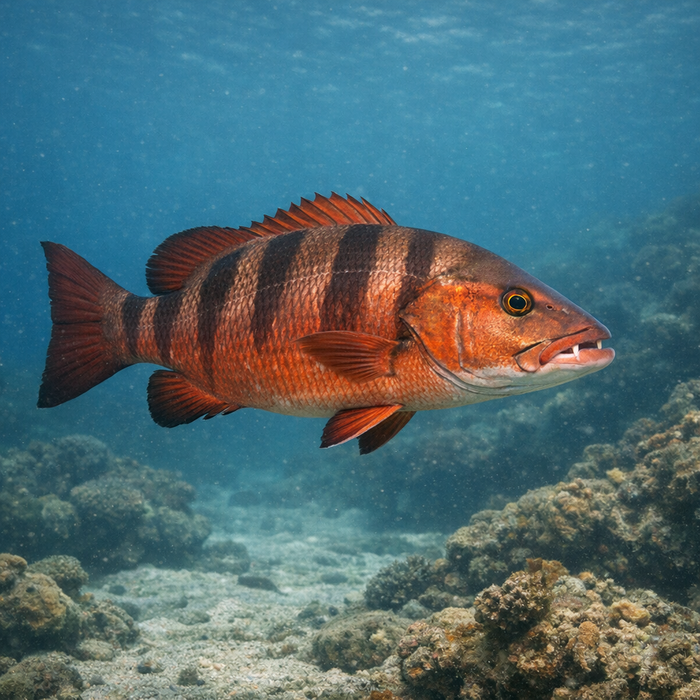
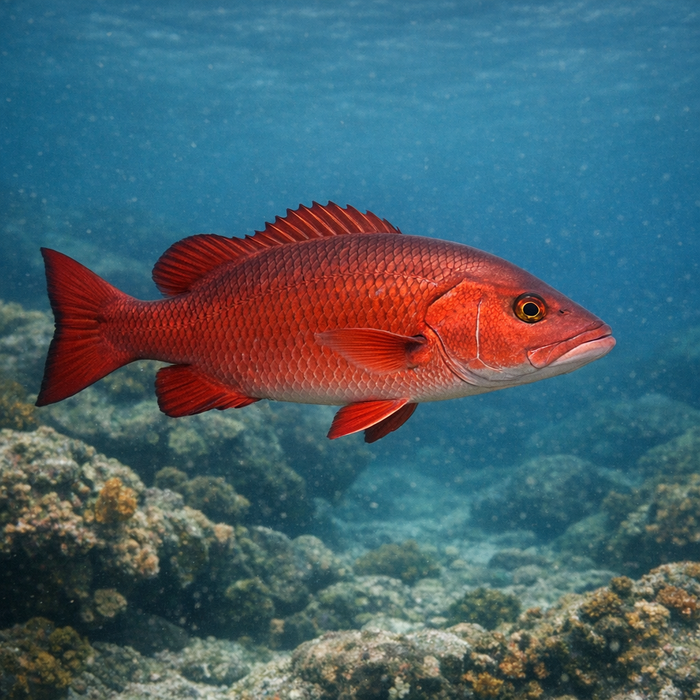
Spotted Rose Snapper (Lutjanus guttatus): A Bold, Memorable Hook LineIntroductionThis is the snapper that turns dusk into dinner. The spotted rose snapper blends blue-sparkled looks with bad manners around bait, and if you fish the Eastern Pacific, you've probably crossed paths with it. Call it a market staple or a reef bruiser with class-either way, this fish is built for current, structure, and snap decisions that smoke light drag.What Makes the Spotted Rose Snapper Unique?Start with the paint job. Adults show rosy copper flanks scattered with fine iridescent blue spots and a tidy, forked tail. Those colors aren't just vanity; they can shift fast, with night patterns that mute and mottling that flips on like camo. Then there's the business end. Lutjanus guttatus carries serious canines for a mid-sized snapper, pinning slippery baits and clobbering crustaceans. The species also has a life history tuned to big-ocean rhythm-spawning pulses often cue to moon and current, and their otoliths literally record El Niño years, a nifty bit of climate biology hidden in bone.Habitat & Global RangeTalking spotted rose snapper habitat means Eastern Pacific edges. Think rocky reefs, volcanic ledges, and coastal dropoffs from the Gulf of California down through Central America into northern South America. Juveniles stage in estuaries and mangrove margins, sliding out to deeper structure as they bulk up. Adults cruise 30 to 200 feet most days, but shift shallower when bait stacks, especially in turbid, current-swept lanes. If you're scouting new water, the combo of jagged structure plus moving water is the bullseye. This is prime "Spotted rose snapper habitat" and exactly where good fish ambush.Behavior & TemperamentThey're ambush-happy, daylight wary, and dusk-confident. That means tight to cover by day, more roam-happy when the sun's low. Spotted rose snapper aren't top-of-the-food-chain brutes, but they fight smarter than their size-short, dirty runs to the rocks and sudden headshakes that pop sloppy knots. Schools are loose and size-mixed, often forming denser stacks around pressure points when current rips. You'll see feeding flurries when bait gets pinned against hard bottom or the water turns milky with tide and swell.Ecological ImportanceSpotted rose snapper are mid-tier predators that translate coastal productivity into biomass other species can use. They vacuum up small fish and invertebrates, then pay that energy forward to bigger predators, from groupers to coastal sharks. Their spawning outputs flood the plankton soup with eggs and larvae, dispersing widely along currents. Because they bridge estuaries, reefs, and nearshore shelves, their wellbeing mirrors how those habitats connect. When mangroves get cleared or coastal water quality tanks, recruitment sag follows, and adult numbers wear it a few seasons later.Conservation & Environmental PressuresOfficially, the species sits at Least Concern. Practically, that depends on postcode. Local fisheries can lean hard on snappers, and Lutjanus guttatus is commercial bread-and-butter from Mexico to Peru. Pressure bottlenecks show up first in average size, then in the scarcity of bigger breeders. Add habitat hits-mangrove loss, sediment, and warm-water spikes during strong El Niño cycles-and recruitment gets patchy. Good news: they're not an offshore mystery. With slot limits, seasonal protections around spawning aggregations, and better gear choices, populations bounce.The FishyAF TakeThe spotted rose snapper is the Eastern Pacific's honest work. It's pretty enough for photos, mean enough to respect light tackle, and common enough to build real skills on. Want practical Spotted rose snapper facts? Fish moving water, aim for rugged bottom, and don't skimp on leader. The ones you remember come at dusk, in current, when your bait looks alive and the rocks are waiting. This fish rewards timing more than heroics, and if you handle your business-sharp hooks, tight drags, and clean knots-you'll eat well and sleep happier. It's not a unicorn; it's a reef test you'll want to re-take tomorrow.