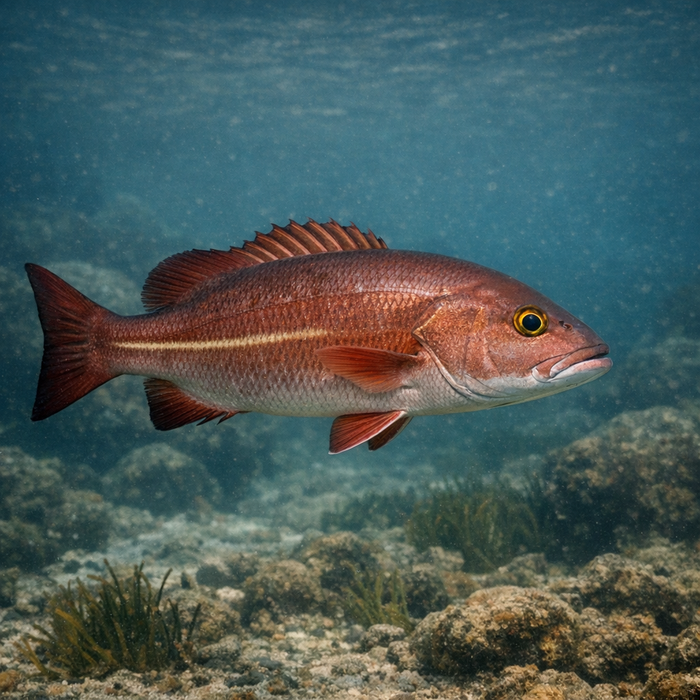
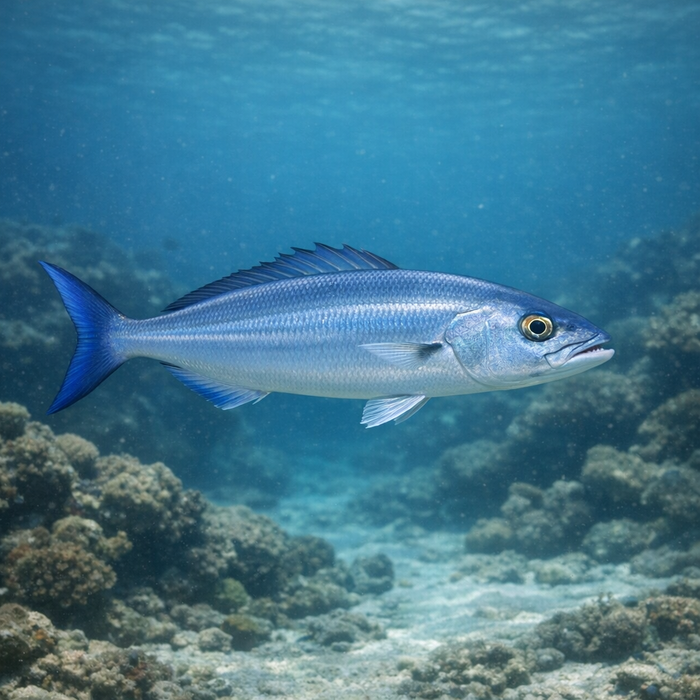
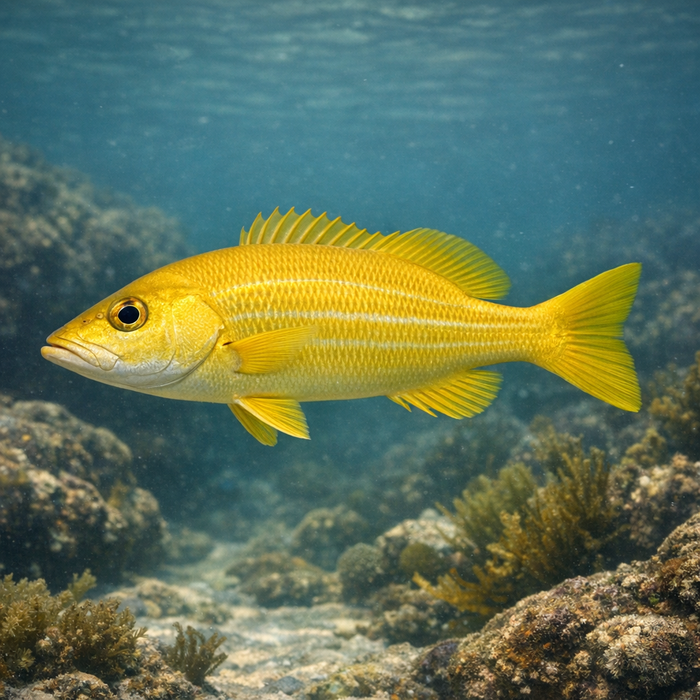
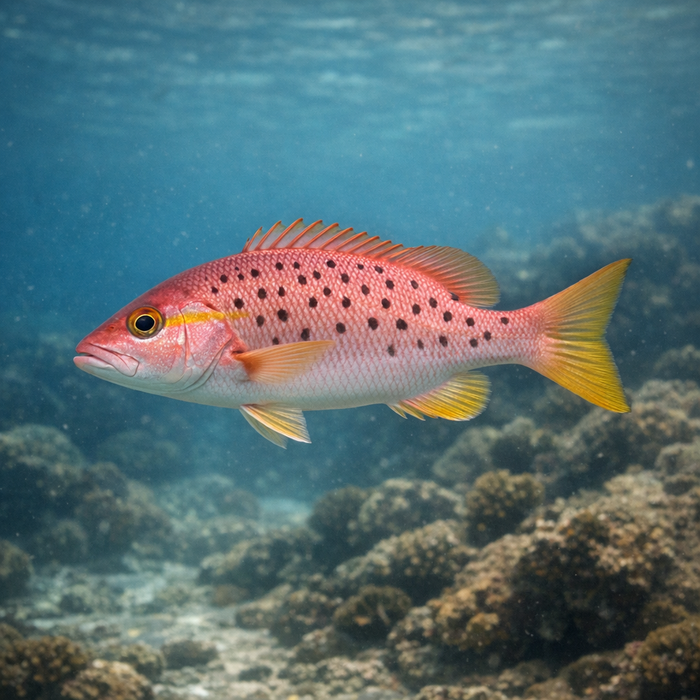
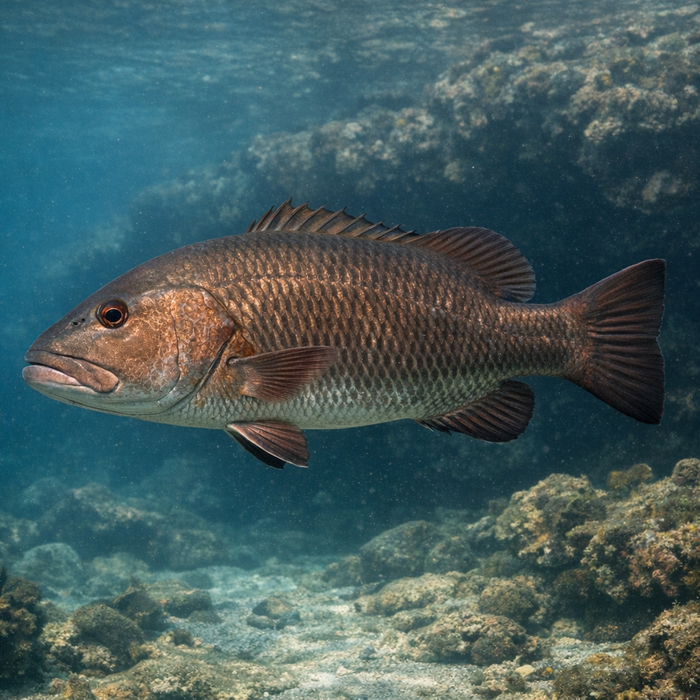
Pacific Dog Snapper (Lutjanus novemfasciatus): Reef muscle with fangs and zero respect for your dragIntroductionMeet the bulldozer of the eastern Pacific. The Pacific dog snapper is a thick-headed, rock-loving brute with canine teeth that look like something a reef wolf would wear. Hook one, and you'll learn why so many rigs come home scarred or not at all. If you're scouting Pacific dog snapper facts or trying to dial in Pacific dog snapper habitat, this is your crash course in the heaviest true snapper patrolling the region.What Makes the Pacific dog snapper Unique?Start with the smile. Those big canines aren't cosmetic; they're meat hooks meant for pinning baitfish and cracking crustaceans. Add in a brick-built body and a brain that knows every crevice on the reef, and you've got a fish that specializes in first-run heartbreak. The Pacific dog snapper also scales up to jaw-dropping sizes, with legit reports of 100-pounders from remote islands. Few snappers combine that power, wariness, and sheer mass.Habitat & Global RangeThis species haunts the eastern Pacific, from Mexico down through Central America and into South America, with outposts around oceanic islands like the Galápagos. The core Pacific dog snapper habitat is rocky: reefs, ledges, volcanic walls, and boulder fields near current and bait. Adults favor 30 to 200 feet, but they'll push shallower during low light and tidal surges. Juveniles frequent calmer coastal structure before graduating to the nasty stuff. If the spot eats tackle, it likely holds a dog snapper.Behavior & TemperamentThey're dusk-to-dark assassins, slipping out from structure to hunt when light fades and current hums. Solitary or in loose groups, Pacific dog snapper rarely waste energy. They hit hard, then bulldog straight for jagged relief, wedging into caves and flaring gills like a doorstop. They're also cautious. Boat noise, sloppy presentation, and heavy hardware can send them sulking for hours. But give them a natural bait in the right lane, and they'll flip the switch.Ecological ImportanceAs apex-ish predators on many reefs, Pacific dog snapper apply pressure up the food chain, keeping baitfish and crunchy invertebrates honest. Their appetite for lobsters, crabs, and mid-sized fish makes them influential in reef community structure. Long-lived and slow to rebuild, big breeders are valuable; protecting a few of those lumbering silver-gray elders pays dividends across the reef.Conservation & Environmental PressuresCoastal development, spearfishing, and heavy commercial and artisanal harvest lean on this species. Because Pacific dog snapper often congregate seasonally to spawn, localized hits can hurt. Add in degradation of nursery areas and you've got stress on both ends of the lifecycle. Status listings and rules vary by country and park, especially around islands, so treating them like a premium resource is just smart fishing.The FishyAF TakeYou fish the Pacific dog snapper for one reason: violence wrapped in scales. It's the reef's bouncer, and it collects cover charges in leaders. Bring real gear, respect the structure, and accept that sometimes the rocks win. The anglers who consistently score do two things better than everyone else: they show the fish something it already trusts, and they keep its head turned from the moment steel hits flesh. Do that, and this cranky legend turns into the best kind of problem.