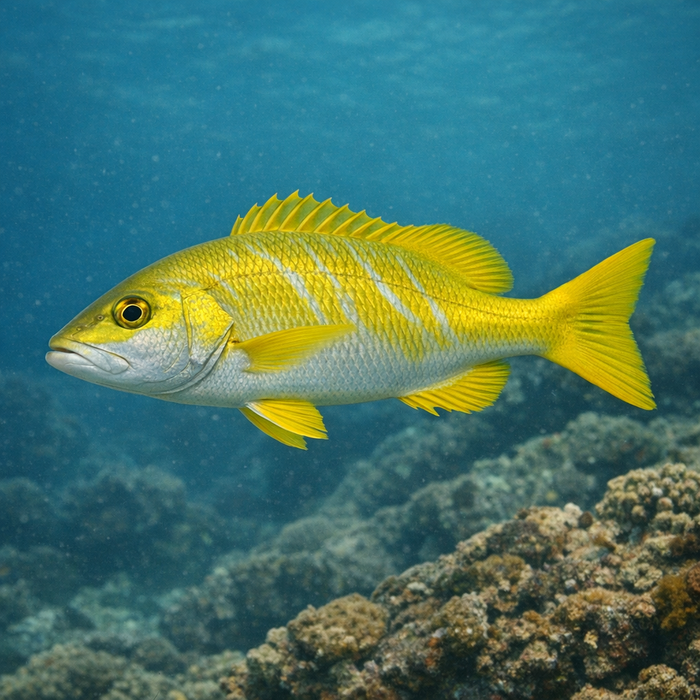
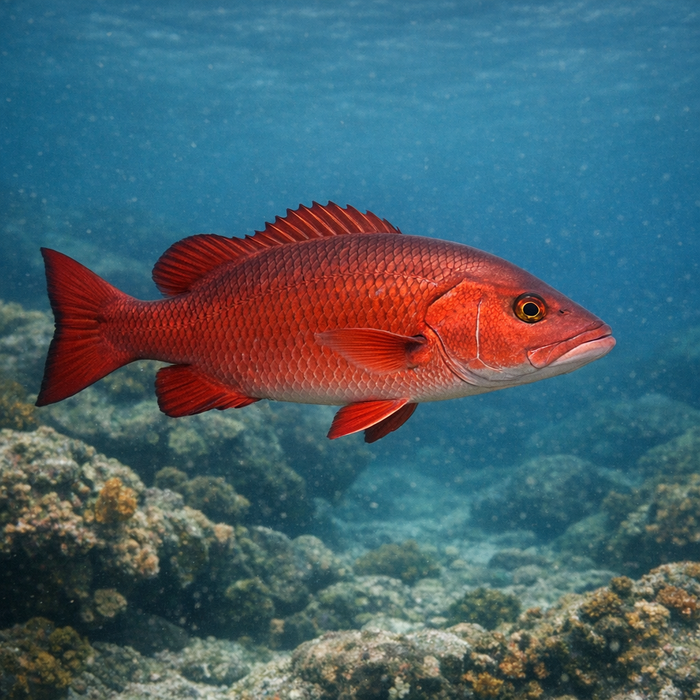
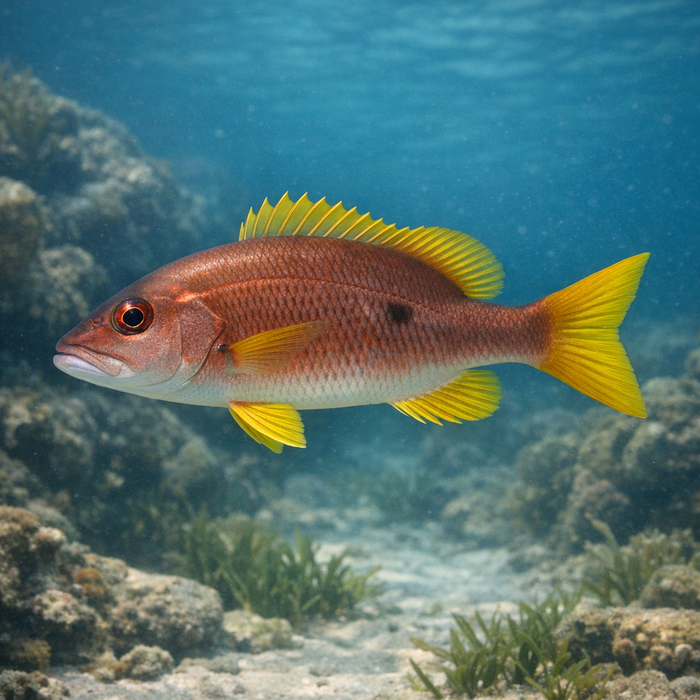
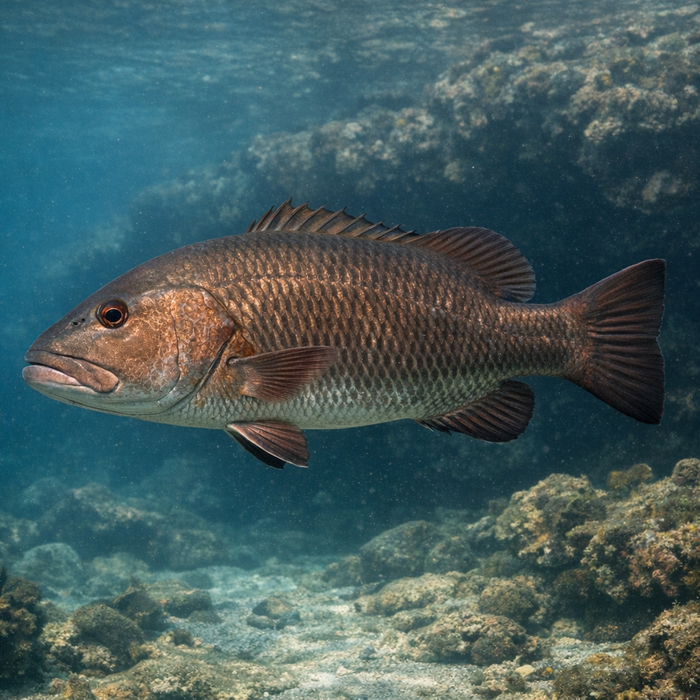
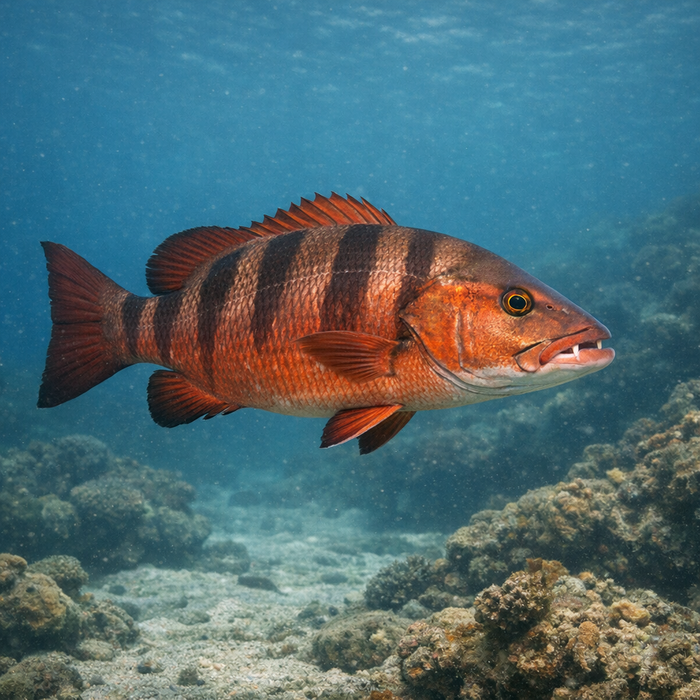
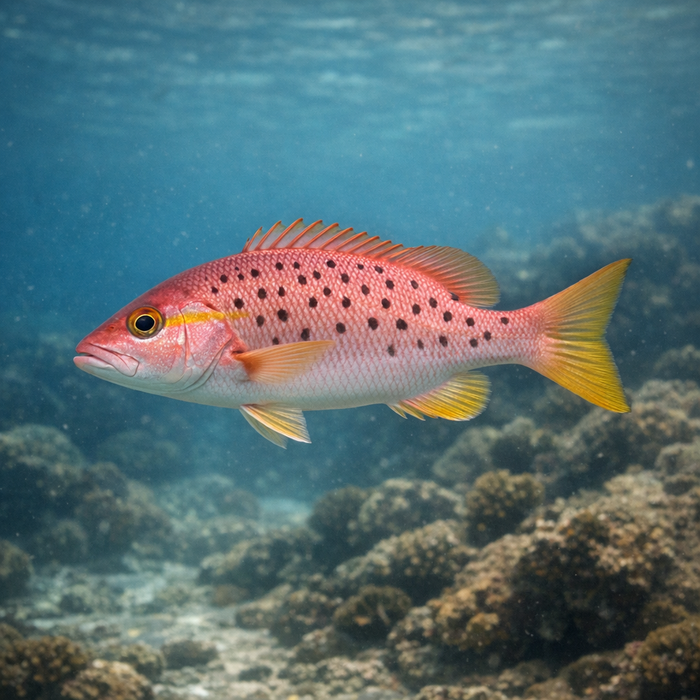
Golden Snapper (Lutjanus inermis): A Bold, Memorable Hook LineIntroductionIf your plan is to tease a stubborn reef into giving up a prize, the golden snapper is your kind of trouble. Not the biggest snapper on the block, but it fights like it never got the memo. Think compact muscle, bronze flash, and a habit of yanking your rig straight for the gnarliest piece of cover in sight. This is an Indo-West Pacific specialist with table manners your grandmother would approve of and just enough attitude to keep you honest. Here are the essential Golden snapper facts and how this fish fits into the chaos of tropical nearshore life.What Makes the Golden snapper Unique?First, the name. The species tag inermis literally means unarmed, reflecting reduced head spines and smaller canines compared to some toothy snapper cousins. That doesn't make it polite. It just means you'll earn your fish with placement and pressure, not wire leaders and theatrics. Second, the look. In good light you get that dusky, burnished gold across a deep, athletic body. It's not a screaming red billboard like other snappers; it's more subtle, like a bronze coin pulled from warm water. Third, size and fight. Golden snapper rarely reach the hulking weights of big-groupers or heavyweight snappers, but pound for pound they surge for structure with ruthless determination. If your drag is lazy or your knots are sloppy, they'll show you the bill.Habitat & Global RangeGolden snapper habitat is all about the nearshore edge: coral gardens, rock ledges, rubble seams, and sand patches tucked beside relief. Juveniles stick to softer stuff like mangrove edges and sheltered bays before graduating to reef lines. As adults they work that 10 to 90 meter band with confidence, shifting shallower when conditions and food stack up along current-swept structure. Geographically, Lutjanus inermis is a tropical Indo-West Pacific player, from the Indian Ocean through Southeast Asia and into parts of northern Australia and nearby archipelagos. It's a common sight in regional fish markets and a reliable target for small-boat crews who know their local contours.Behavior & TemperamentGolden snapper are crepuscular opportunists. Low light flips the feeding switch, and that's when the gold tones look richest in the water. They hold surprisingly tight to cover, often in small loose groups. Present something natural along the edge of a coral head or rubble spine and the eat often feels crisp and decisive. Once hooked, they dig. They aren't long-distance sprinters; they're short-burst bruisers. The first five seconds matter. Give them two feet toward the hole and you'll be shopping for new leaders. That wariness shows up topside too. Clear water, bright sun, and boat noise all push them down or off the bite window. Get your shadow off the reef, go quiet, and time the tide to bump your odds.Ecological ImportanceLike other snappers, L. inermis slots neatly into the nearshore food web. It preys on small fish and invertebrates, keeping mid-level forage honest while feeding bigger coastal predators in turn. Mangrove-reef connectivity matters: juvenile shelter translates into adult biomass on the reef, which then supports a mix of local fisheries. Healthy golden snapper numbers are a quick read on the health of that corridor from estuary to coastal structure. The species isn't a keystone celebrity, but its day-to-day hunting tells you plenty about habitat quality.Conservation & Environmental PressuresWhile not front-page threatened, golden snapper faces the usual coastal grind: habitat loss in mangroves and seagrasses, water quality hits, and heavy nearshore fishing pressure where market demand is steady. Misidentification can muddy catch stats, making management less precise. Local closures or size/bag rules sometimes umbrella multiple snapper species, and compliance matters because these fish don't grow to monster sizes overnight. Protect the nurseries, keep a lid on destructive gear near reefs, and the stock generally responds. Ignore those basics and you'll watch average sizes shrink.The FishyAF TakeGolden snapper won't win the internet for jaw-dropping length, but it absolutely wins on attitude-to-size ratio. It rewards anglers who read structure, manage drags, and place baits with intent. The bite windows are short, the edges are sharp, and the margin for error is thin. If you like technical bottom fishing more than hero shots with barn doors, this fish is your jam. Respect the nursery habitats, take what you'll eat fresh, and keep the leaders tight. Simple playbook. Maximum fun.