Vermillion Snapper (Rhomboplites aurorubens): The Vibrant Hunter of the Reef and Beyond
The Vermillion Snapper is no wallflower in the underwater world. With its striking reddish-pink hues and a sleek, streamlined body, this species commands attention both visually and ecologically. Known scientifically as Rhomboplites aurorubens, the Vermillion Snapper is a staple of warm Atlantic waters, prized by anglers and marine biologists alike. This guide dives into the essential Vermillion Snapper facts, exploring what makes this fish a standout in its environment and why it deserves more than just a passing glance.
What Makes the Vermillion Snapper Unique?
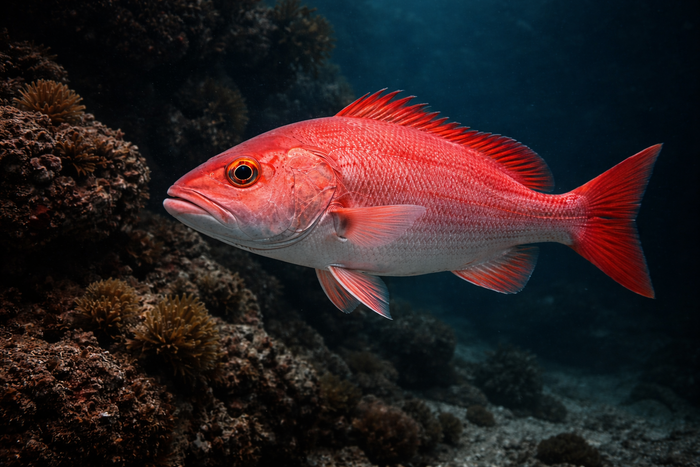
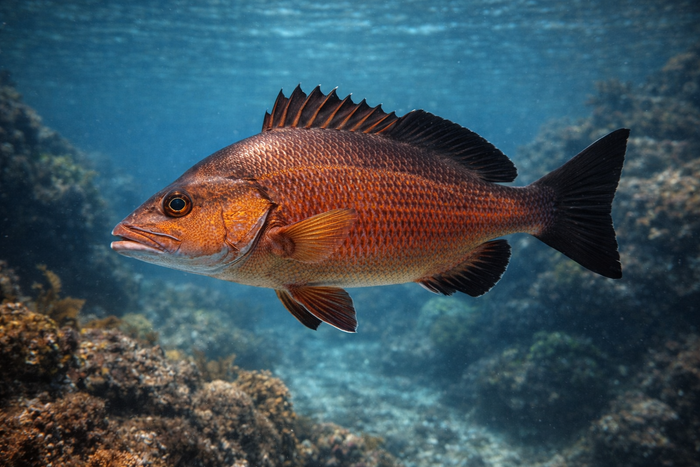
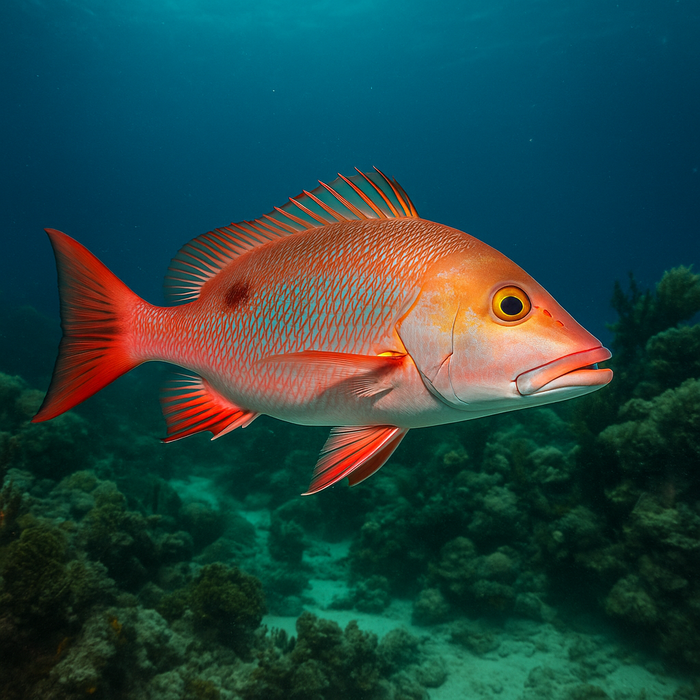
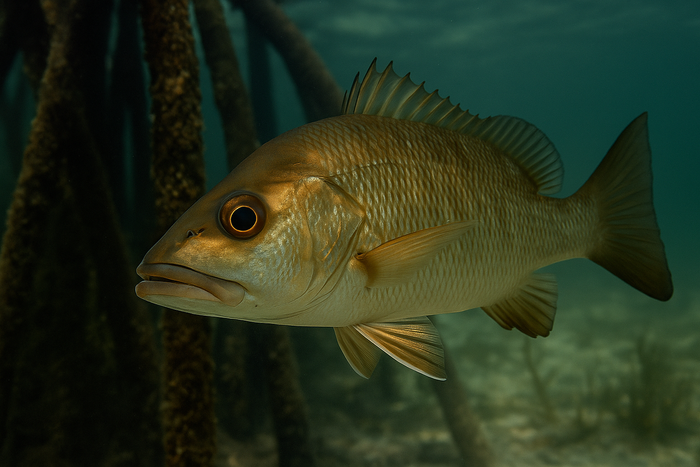
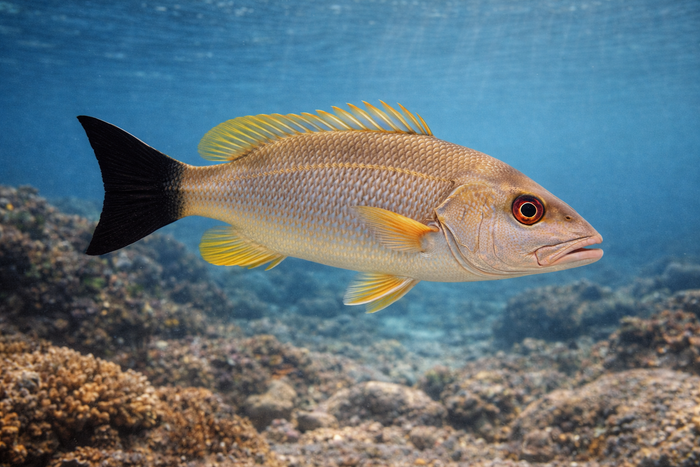
The Vermillion Snapper stands out with its vivid coloration—a deep, almost glowing red that fades into a lighter pink on the belly. Unlike many snappers that sport more muted tones, this fish’s color is a bold statement. Its body shape is slightly more elongated and less bulky than its snapper cousins, giving it a nimble edge in the water.
One of the Vermillion Snapper’s defining features is its large eyes, adapted for low-light hunting. This species often prowls the twilight zones of reefs and wrecks, relying on keen vision to spot prey. Its diet is diverse, including small fish, crustaceans, and cephalopods, making it a versatile predator.
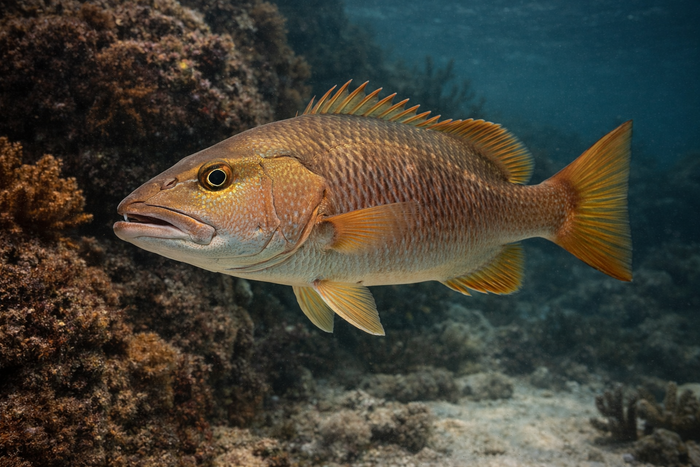
Vermillion Snapper also boasts a unique dental arrangement. Its sharp, conical teeth are perfect for gripping slippery prey, and the species has a powerful jaw structure that allows quick, efficient bites. This combination of speed, vision, and bite power makes it a formidable hunter in its niche.
Habitat & Global Range
The Vermillion Snapper is a warm-water enthusiast, primarily found in the western Atlantic Ocean. Its range extends from the coastal waters of Massachusetts down through the Gulf of Mexico and the Caribbean, reaching as far south as Brazil. This broad distribution means it adapts well to various marine environments but prefers structured habitats.
Vermillion Snapper habitat typically includes rocky reefs, coral formations, and artificial structures like shipwrecks. Depth-wise, they are comfortable anywhere from 30 to 300 feet, often favoring mid-depth zones where light levels are dim but food is abundant. Juveniles tend to stay closer to shallower reefs, while adults venture deeper.
This species thrives in areas with strong currents and plenty of hiding spots. The complex underwater terrain provides both shelter from larger predators and ample hunting grounds. Understanding Vermillion Snapper habitat is crucial for fisheries management and conservation efforts, given its popularity among recreational and commercial fishers.
Behavior & Temperament
Vermillion Snapper behavior is a mix of cautious and opportunistic. They are not the aggressive, territorial types seen in some reef fish but instead exhibit a more calculated approach to survival. These snappers often form loose schools, especially during the day, which offers safety in numbers without the chaos of tight shoals.
At dawn and dusk, Vermillion Snapper become more solitary and active hunters. Their large eyes come into play here, allowing them to exploit low-light conditions to ambush prey. They use a combination of stealth and speed, darting out from cover to snatch unsuspecting fish or invertebrates.
Despite their relatively calm schooling behavior, Vermillion Snapper can be fiercely competitive when food is scarce. They show remarkable adaptability in diet and hunting tactics, shifting from bottom foraging to mid-water ambushes depending on prey availability.
Ecological Importance
The Vermillion Snapper plays a pivotal role in maintaining the balance of reef ecosystems. As mid-level predators, they help control populations of smaller fish and invertebrates, preventing any one species from dominating and disrupting the reef’s delicate food web.
Their presence also supports higher predators, including larger fish, sharks, and marine mammals, which rely on healthy snapper populations as a food source. This cascading effect highlights the Vermillion Snapper’s role as both predator and prey, anchoring the ecosystem’s stability.
Moreover, Vermillion Snapper contribute to nutrient cycling. By feeding on a variety of organisms and excreting waste in different reef zones, they help redistribute nutrients, supporting coral growth and overall reef health.
Conservation & Environmental Pressures
Despite their resilience, Vermillion Snapper face several environmental pressures that threaten their populations. Overfishing is the most significant concern. Their popularity among commercial and recreational fishers has led to localized declines, especially in heavily fished areas of the Gulf of Mexico and the Caribbean.
Habitat degradation also poses a serious threat. Coral reef destruction, pollution, and sedimentation reduce the availability of suitable Vermillion Snapper habitat. Artificial structures can somewhat mitigate this loss, but they do not fully replace the complexity and biodiversity of natural reefs.
Climate change adds another layer of risk. Rising sea temperatures and ocean acidification affect coral health and prey availability, indirectly impacting Vermillion Snapper populations. Changes in water temperature can also alter their distribution, potentially pushing them into less optimal habitats.
Effective management strategies are essential. These include size and bag limits, seasonal closures during spawning, and habitat protection measures. Monitoring Vermillion Snapper populations and their habitat quality is critical to ensuring this species remains a vibrant part of Atlantic marine ecosystems.
The FishyAF Take
The Vermillion Snapper is a fish that demands respect. Its striking appearance is just the surface of a complex predator perfectly adapted to its environment. Understanding Vermillion Snapper facts and habitat nuances reveals a species that balances beauty, behavior, and ecological importance with impressive finesse.
For anglers, the Vermillion Snapper offers a challenging and rewarding catch. For conservationists, it represents a barometer of reef health and fisheries management success. Ignoring the pressures it faces risks not only the species but the broader marine communities it supports.
In short, the Vermillion Snapper is a bold, memorable player in the Atlantic’s underwater drama. It’s time to give this fish the attention it deserves—both on the line and in the water.