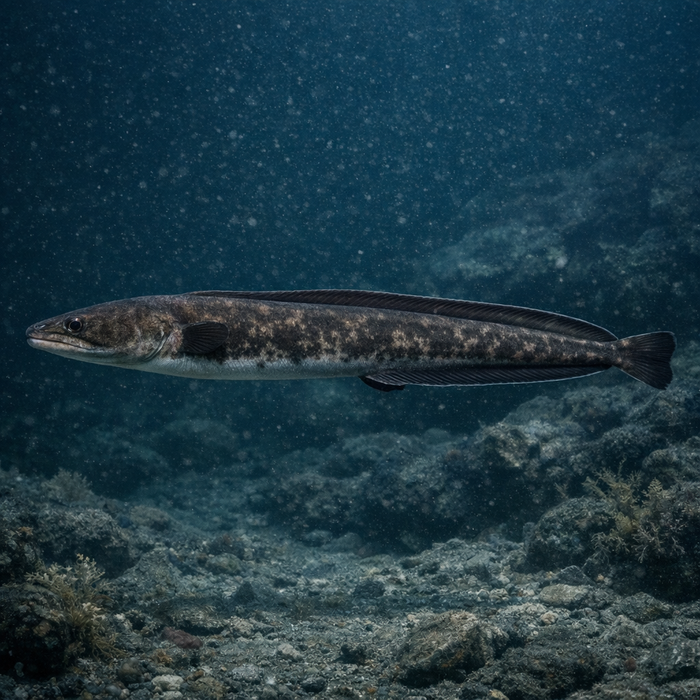
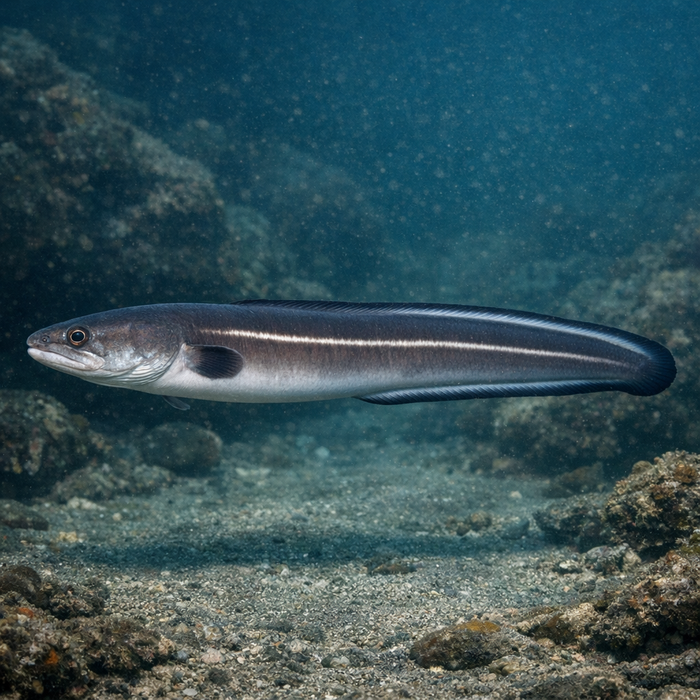
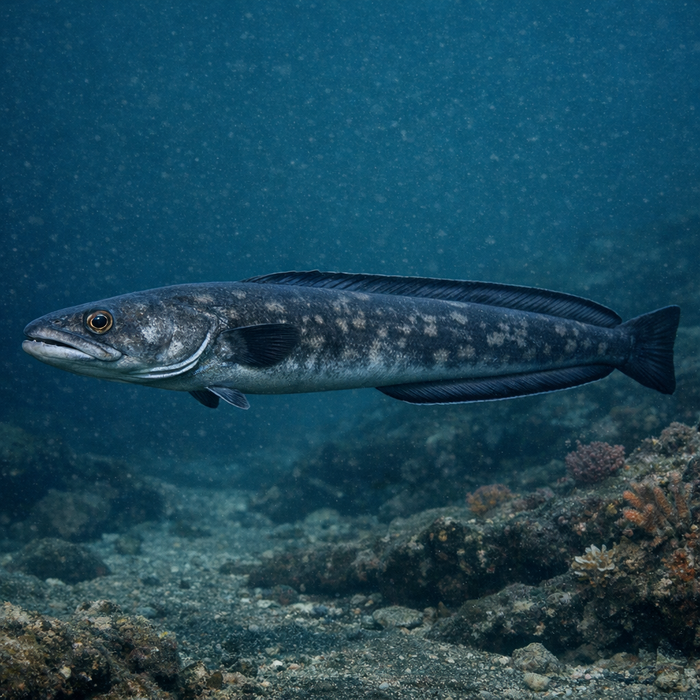
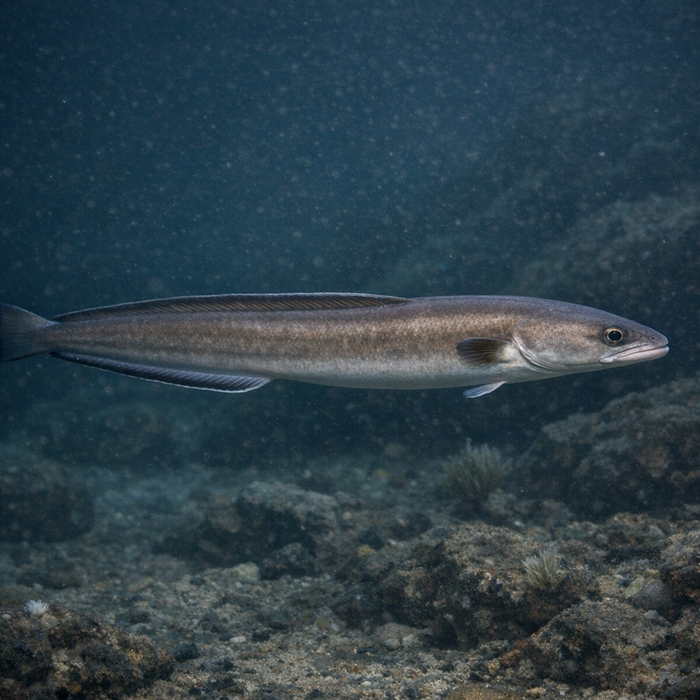
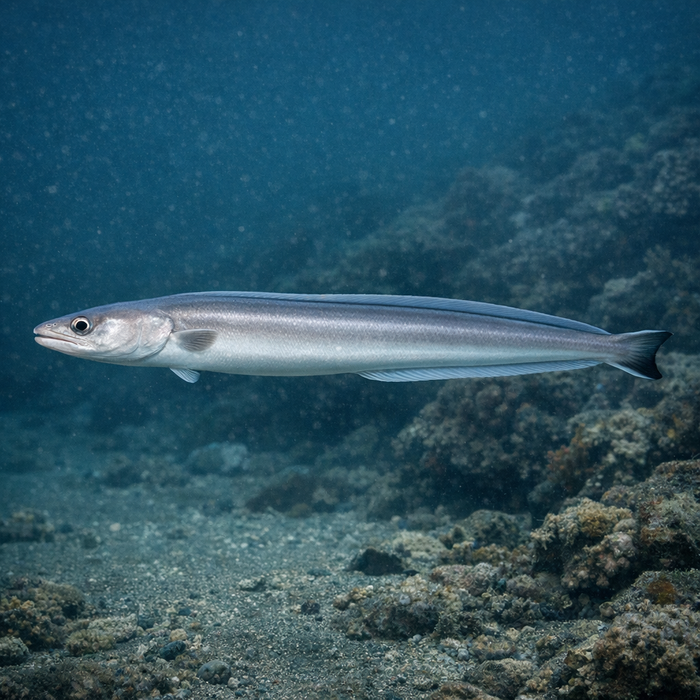
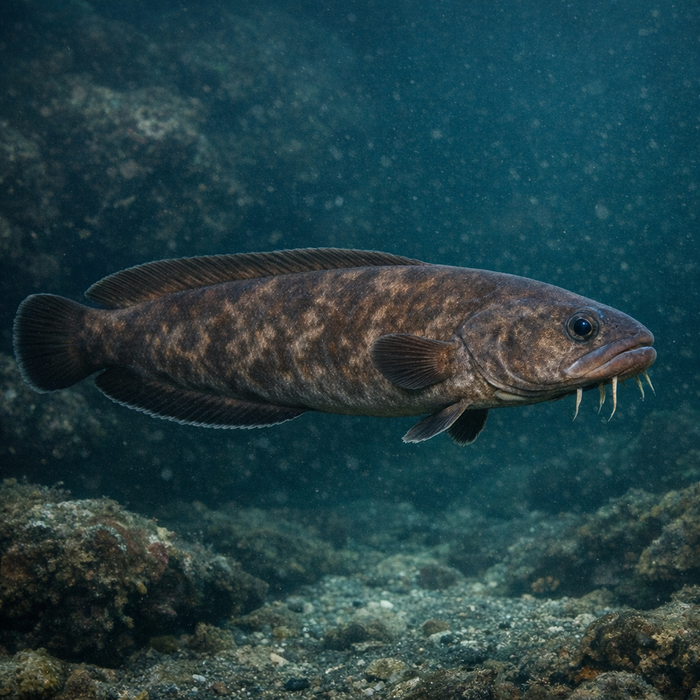
American conger (Conger oceanicus): A Bold, Memorable Hook LineIntroductionThe American conger is the night-shift bouncer of Atlantic wrecks: thick-bodied, slime-coated, and absolutely unapologetic about stealing your sinkers. It doesn't flash colors or tail-walk. It bullies structure, crushes bait, and turns tidy bottom rigs into nautical knitting in seconds. If you're into brawl-over-beauty fishing, the American conger delivers.What Makes the American conger Unique?Two traits define this eel for anglers: brutal leverage and wreck obsession. Hook one and it'll twist like a power drill, using the wreck as a weapon. Without stout gear and smart angles, you'll lose. Second, the American conger is a structure purist. While many predators roam, congers glue themselves to hard bottom, rubble piles, rock ledges, and steel. Add a mouth lined with needle teeth and you've got a fish that punishes laziness. Toss in a wild life cycle with transparent, leaf-like larvae drifting ocean currents before "compacting" into eels, and you have a species that feels part cryptid, part demolition crew.Habitat & Global RangeThis is a Western Atlantic player tied to the continental shelf and near-slope waters. Think wrecks, artificial reefs, rock heaps, and hard-bottom edges from the Northeast through the Southeast and into the Gulf of Mexico and Caribbean. The classic American conger habitat is a pile of metal or rock in 80 to 300 feet, though they'll haunt deeper edges, too. Juveniles may appear closer inshore, especially where jetties and harbor structure provide cover. For searchers compiling American conger habitat intel, map out reefs and wrecks, then fish where current meets metal.Behavior & TemperamentThe American conger is a nocturnal ambush specialist. It feeds confidently in low light, using smell and vibration more than eyesight, then backpedals into cover the instant something feels wrong. Hook one and expect torque, not speed. They twist, roll, and burrow lines into beams, so your first seconds matter most. Despite the brawler rep, they're not mindless. Pressure them hard and they get cagey, especially on pounded wrecks. But give them scent, set the bait on bottom, and fish during the evening tide change, and they turn aggressive enough to make your reel groan.Ecological ImportanceAs midlevel predators glued to structure, American congers shape life on wrecks and reefs. They pick off wounded fish and invertebrates, converting benthic chaos into protein and indirectly keeping some scavenger populations in check. Their larval stage rides currents for months, moving energy between offshore zones and coastal nurseries. Wrecks might be man-made, but congers turn them into functioning reefs, and their presence usually signals a mature, productive hard-bottom community.Conservation & Environmental PressuresYou won't hear about American conger stock collapses at the marina, but they aren't bulletproof. They rely on intact structure and steady current. Trawling that flattens hard bottom, pollution that buries reef life, and derelict gear all shrink their real estate. Because they often get targeted incidentally while people bottom fish for other species, release practices matter. Heavy leaders reduce gut-hooking, and quick dehooking keeps mortality low. Data on Conger oceanicus is thinner than on glamour species, but that's not a hall pass for sloppy handling.The FishyAF TakeThe American conger is the blue-collar nightmare you secretly want on your line. It's not photogenic. It's not delicate. But it's honest fishing: set the hook, keep the rod down, and win the first five feet. If your knots are weak or your drag's shy, it will embarrass you publicly and keep your sinker as a tip. For anglers skimming American conger facts, here's the punchline: find steel or rock, fish scent at night, and come armed. Respect the wreck and the eel that owns it, and you'll leave with better stories and fewer rigs lost to the scrap pile.