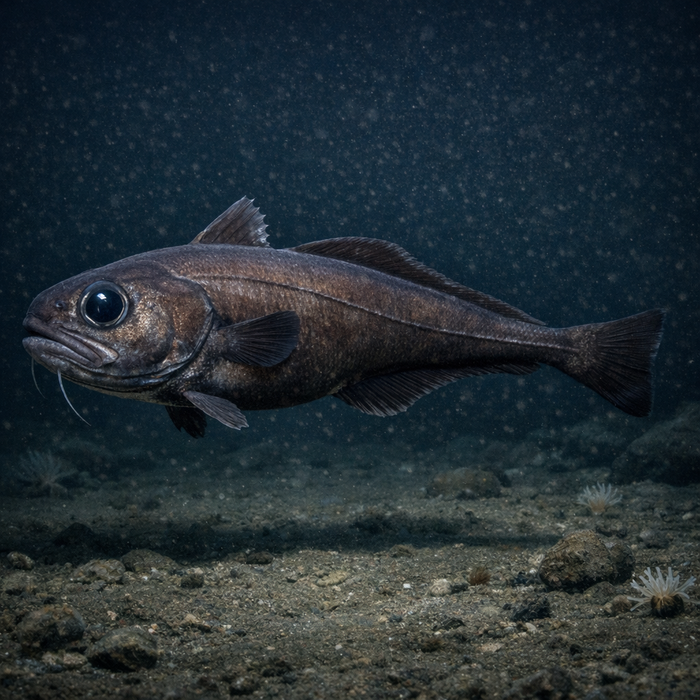
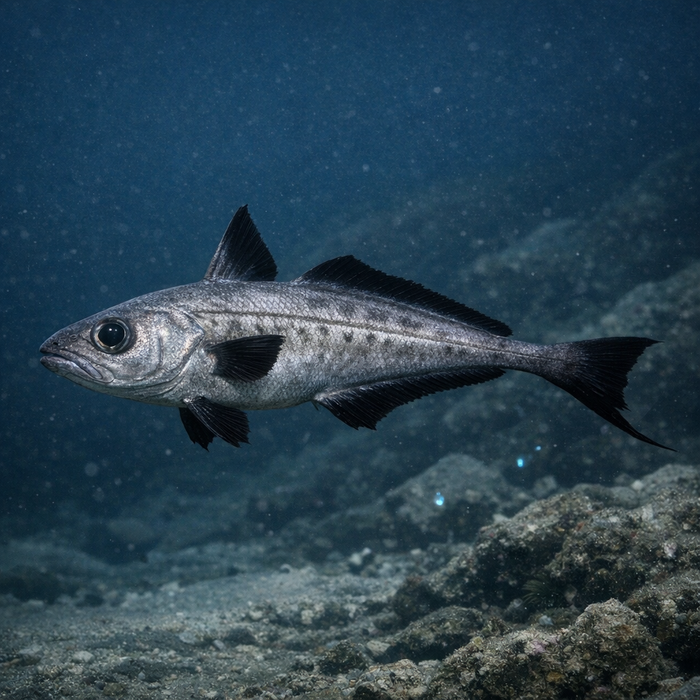
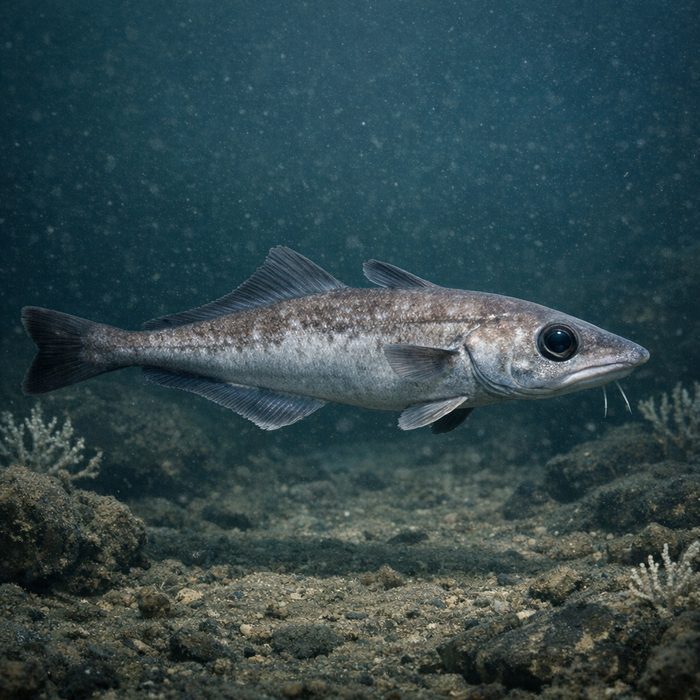
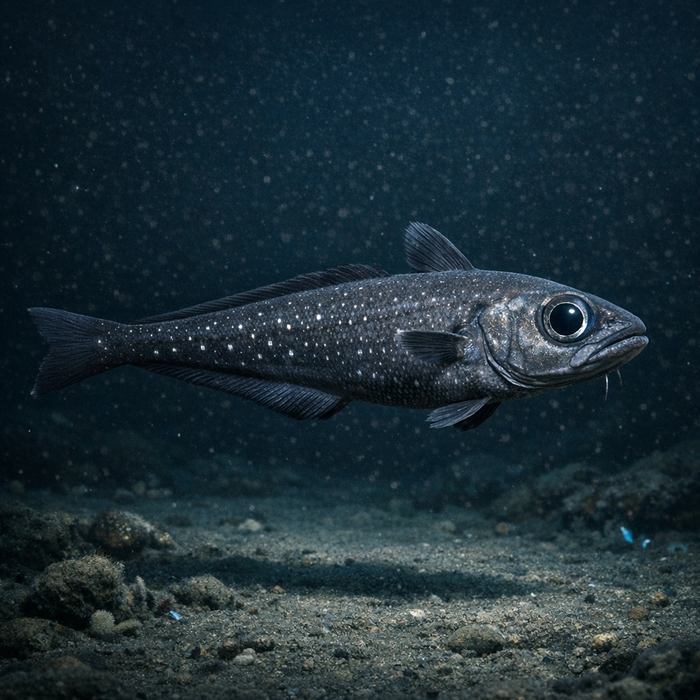
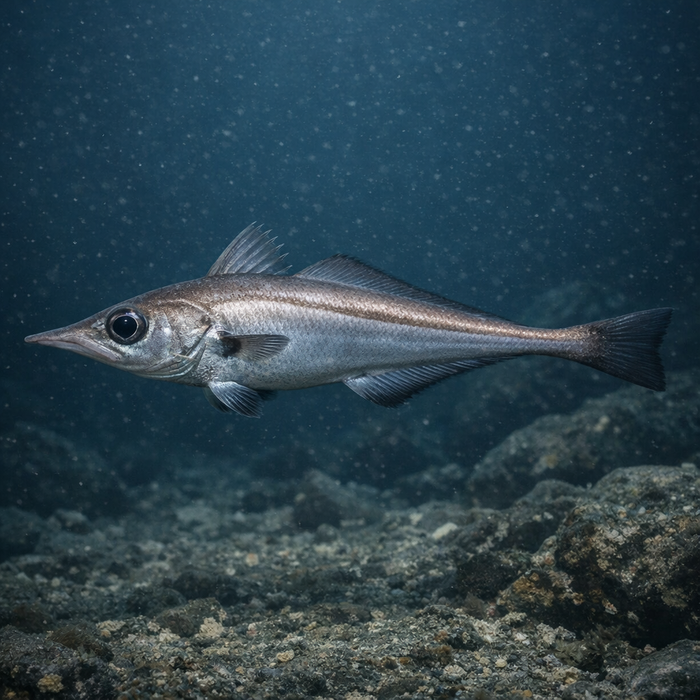
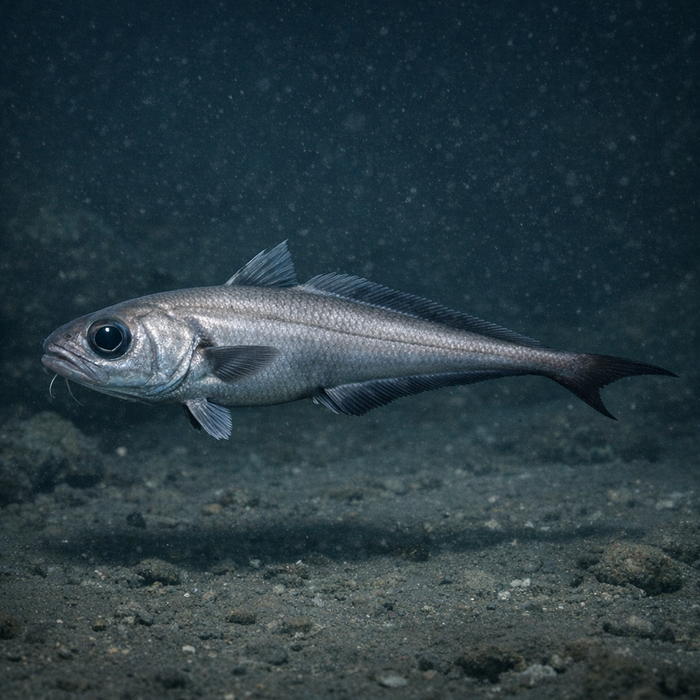
Doublethread Grenadier (Gadomus arcuatus): A Bold, Memorable Hook LineIntroductionThe doublethread grenadier isn't winning any beauty contests, but it absolutely dominates the deep. This rattail-shaped bottom dweller haunts continental slopes far beyond weekend depth sounders, flashing a long whip-tail and two threadlike dorsal fin filaments that gave it its name. If you've ever deep-dropped baits and reeled up something with big glassy eyes and a tail that never seems to end, there's a good chance you've brushed up against the doublethread grenadier.What Makes the Doublethread grenadier Unique?First, those twin dorsal fin filaments are a stylish flex in a world where almost nothing sees you coming. They likely play a sensory role in near-total darkness and help set this species apart from other rattails. Second, the body plan screams purpose: a bulky head tapering into a hyper-elongated tail that's more than half the overall length, perfect for hovering just off the bottom with minimal effort. Third, the species wears a sandpapery coat of tiny rough scales and sports a chin barbel packed with taste buds, a literal feeler for dinner in pitch black. Put simply, the doublethread grenadier is a specialist built for the slow, cold grind of the deep.Habitat & Global RangeThe doublethread grenadier is a classic denizen of continental slopes and submarine canyon shoulders across the Indo-Pacific. Picture soft mud and silt, faint currents, and hard edges where the shelf gives way to serious water. Depth is the defining trait here, not a ZIP code. You're talking hundreds to a thousand-plus meters depending on region, with the fish loosely following productivity where currents deliver snacks. For anglers, think beyond reefs and wrecks toward clean drop-offs, slope benches, and canyon mouths. That's quintessential doublethread grenadier habitat and the kind of terrain that yields the most reliable encounters.Behavior & TemperamentGrenadiers are not brawlers. The doublethread grenadier feeds methodically, using that chin barbel and oversized eyes to home in on scent trails and flickers of life. Expect unhurried taps and steady weight over violent slams. They can travel in loose aggregations where food is funneled, but they aren't schooling torpedoes. Hooked fish rise with a resigned, deepwater wobble rather than scorching runs. The fight is the water column itself: a long, heavy lift against pressure and lead. Hookups tend to come in pulses when current picks up scent plumes and wakes up the bottom.Ecological ImportanceThe doublethread grenadier is mid-tier muscle in the deep-sea food chain. It picks off invertebrates and small fishes while feeding larger predators that cruise the slope. Slow growth and long life are common deepwater strategies, which means these fish bank stability over speed. That makes them excellent indicators of deepwater ecosystem health. When conditions shift, grenadier abundance and size structure can reflect bigger changes in productivity, oxygen levels, or temperature over time. Want Doublethread grenadier facts that actually matter? Here's one: stable, cold, and dark ecosystems still pulse with energy, and species like this quietly track those pulses.Conservation & Environmental PressuresData on Gadomus arcuatus isn't encyclopedic, but the deep sea's usual suspects apply. Slow-growing species don't rebound quickly from heavy exploitation. Bottom contact gear can scar soft slopes and alter benthic communities that grenadiers rely on. Climate-driven changes in oxygen minima or current patterns may shift where and how consistently these fish feed. The good news: they're not a primary commercial target in most places. The caution: being secondary bycatch doesn't mean zero impact. Data Deficient isn't the same as bulletproof.The FishyAF TakeTargeting the doublethread grenadier is a vibe. It's more expedition than sport, more curiosity than glory. You're deep-dropping squid strips on canyon shoulders, listening to your reel hum while the boat sits in a quiet, rolling trance. The bite won't rip the rod from your hands. But the species check is real, the environment is epic, and the gear game feels like sending probes to the moon. If you're chasing Doublethread grenadier habitat because you crave weird, wild, and way-down-there fishing, this fish delivers. Add it to your list, tick the box, snap the eerie-eyed photo, and respect the deep that made it.