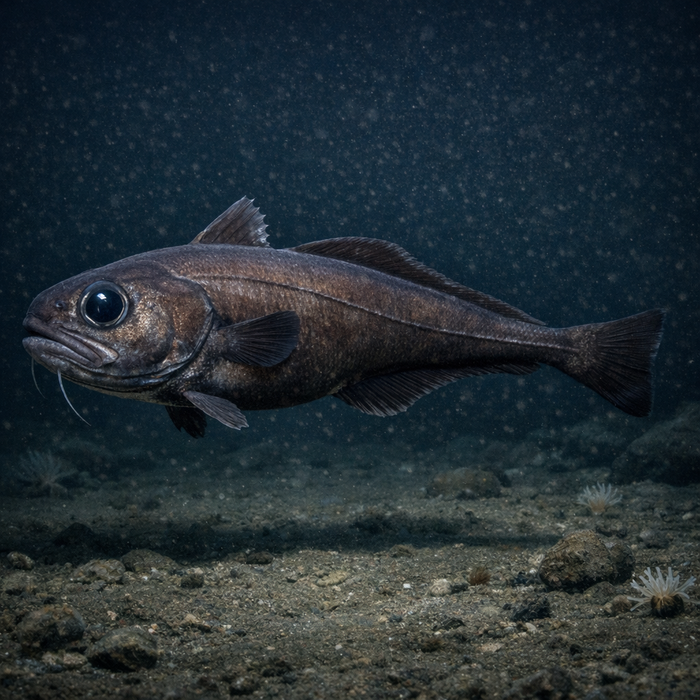
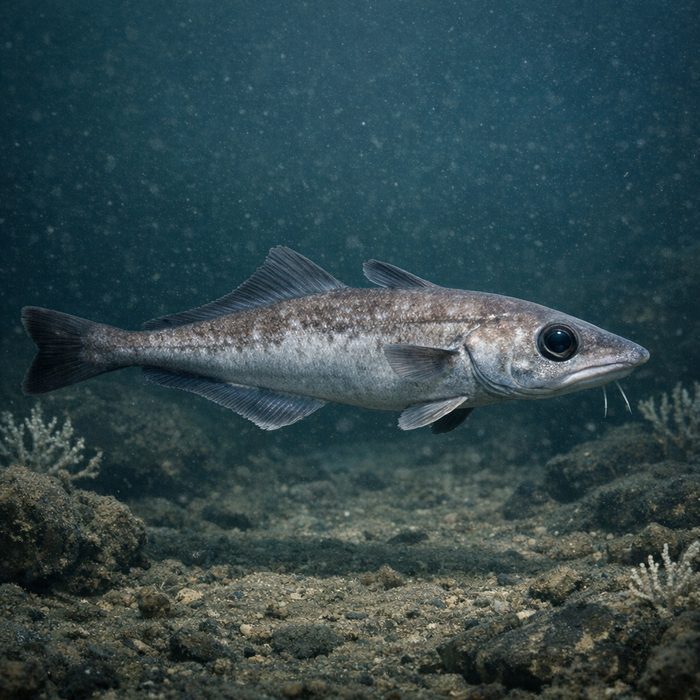
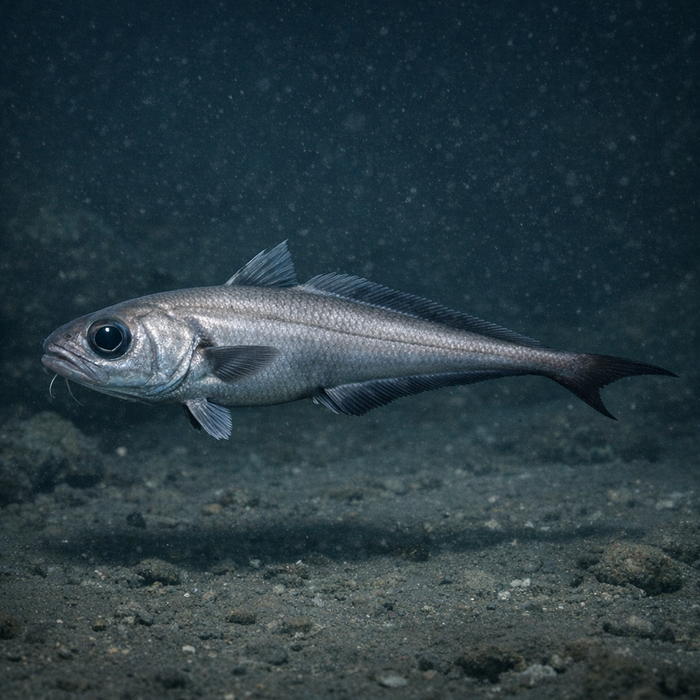
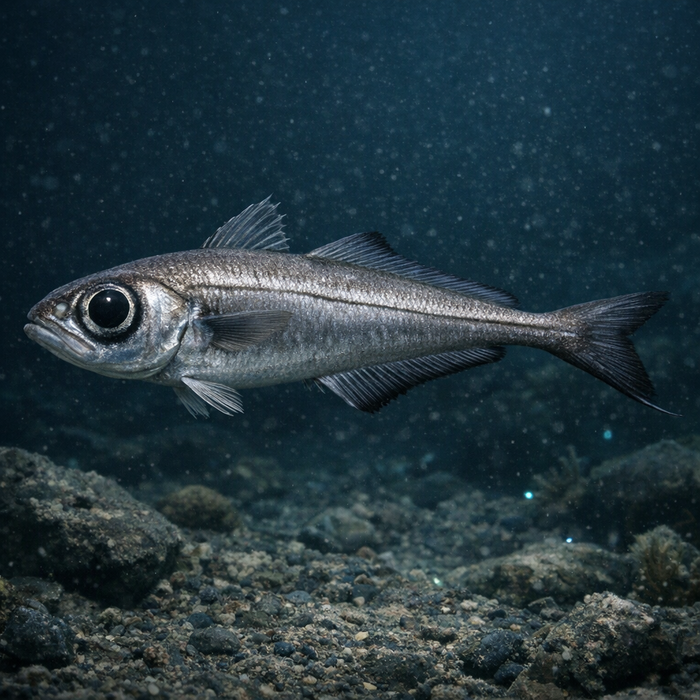
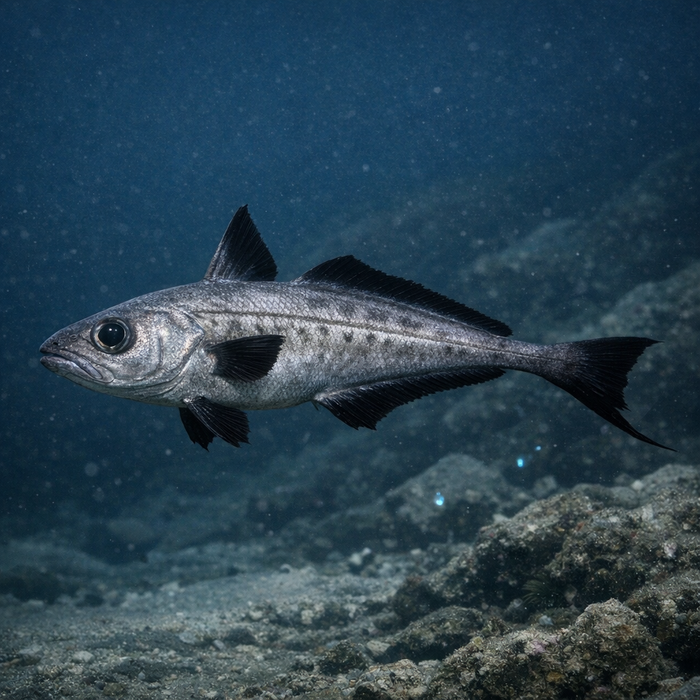
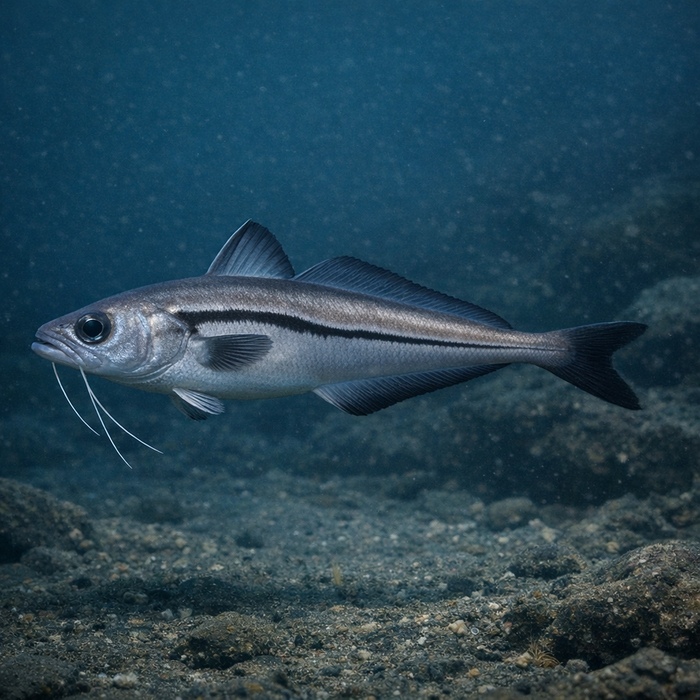
Bullseye Grenadier (Bathygadus macrops): Deep-slope rattail with night-vision eyesIntroductionMeet the deepwater denizen that looks like a submarine flashlight with a tail. The bullseye grenadier is a classic rattail: blunt head, huge eyes, and a body that thins to a whip. It's not your weekend pier fish. This one lives in the quiet, pressurized world far below daylight. For anglers who love the weird, the remote, and the technically demanding, the bullseye grenadier is a worthy curveball. Consider this your crash course in Bullseye grenadier facts and the realities of chasing one.What Makes the Bullseye grenadier Unique?First, those eyes. Bathygadus macrops isn't subtle about its name; macrops means big eyes, and big they are. Built like premium night-vision gear, they pull in whatever scraps of light make it to the bathyal zone. Second, that tail. Grenadiers pour most of their length into a tapering, finned filament more about efficiency than speed. Third, the physiology. With reduced swim bladder and oily, gelatinous tissues, the bullseye grenadier manages buoyancy without popping like a balloon when hauled from depth. It's a pressure-adapted specialist that screams deep sea every inch of the way.Habitat & Global RangeThink deep continental slopes and submarine canyons. The bullseye grenadier sticks close to soft sediments, edges, and gentle contour breaks where currents deliver food. It shows up across parts of the Northeast Atlantic and adjacent basins, and similar habitat elsewhere can hold lookalike rattails. For anglers, translate that as steep lines on the bathymetry map and way more braid than you planned to buy. If you're after Bullseye grenadier habitat, you need real depth, steady currents, and a boat set up for deep dropping.Behavior & TemperamentThe bullseye grenadier isn't a sprinter or a bruiser. It picks at invertebrates and small fishes, often cruising just over the bottom like a slow vacuum cleaner. Bites can be maddeningly faint, more suggestion than slam. Picture the rod tip nodding twice like a sleepy metronome, then going still. Hooksets need patience and pressure, not theatrics. Once pinned, fights feel like hauling a wet duffel against current, with head shakes for punctuation. Schooling is light; you'll see small aggregations on slopes but not dense packs midwater. Windows hinge on current and bottom contact rather than daylight.Ecological ImportanceRattails, including the bullseye grenadier, are quiet workhorses of deep ecosystems. They convert small benthic prey into calories that larger deepwater predators can use. Their slow metabolisms and steady foraging keep energy moving on seafloor highways where production is lean. Because they're widespread on slopes, they show up regularly as bycatch, acting as biological thermometers for the health of deep benthic communities. When grenadiers thin out, it's often a sign that humans have pushed gear or extraction a little too hard on the slopes.Conservation & Environmental PressuresInformation gaps are big at depth. The bullseye grenadier gets tagged Data Deficient as a practical matter, not a shrug. Deep trawling can reshape soft-bottom habitats, and bycatch mortality is rough on species adapted to pressure but not rapid ascent. Add climate-driven changes to deep currents and oxygen layers, and the picture becomes murkier. While this fish isn't headlining any poster campaigns, keeping deep habitats intact helps it and everything else down there.The FishyAF TakeThe bullseye grenadier is the fish you chase to prove you truly like fishing, not just catching. It's technical, gear-heavy, and rarely glamorous. But it's also pure exploration. Drop baits into that kind of black and you're fishing in geology as much as biology. If your heart rate jumps at contour lines labeled in thousands of feet, the bullseye grenadier is your spirit animal. Run clean rigs, read current like scripture, and celebrate the weird. This deepwater rattail won't rip the rod out of your hands, but it will pull you into a part of the ocean most anglers never touch.