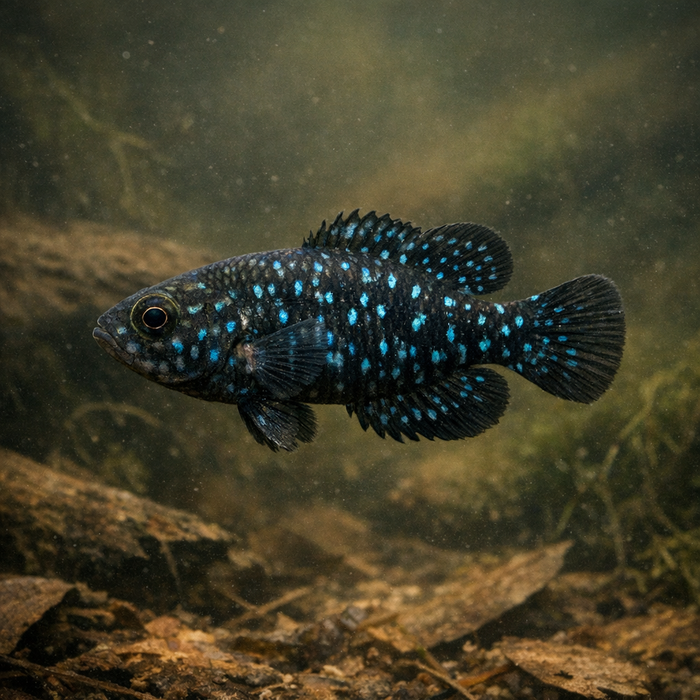
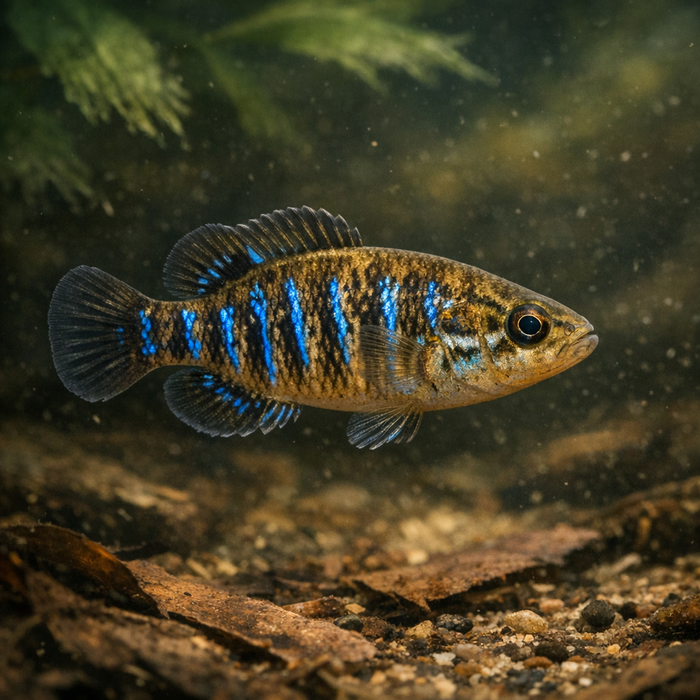
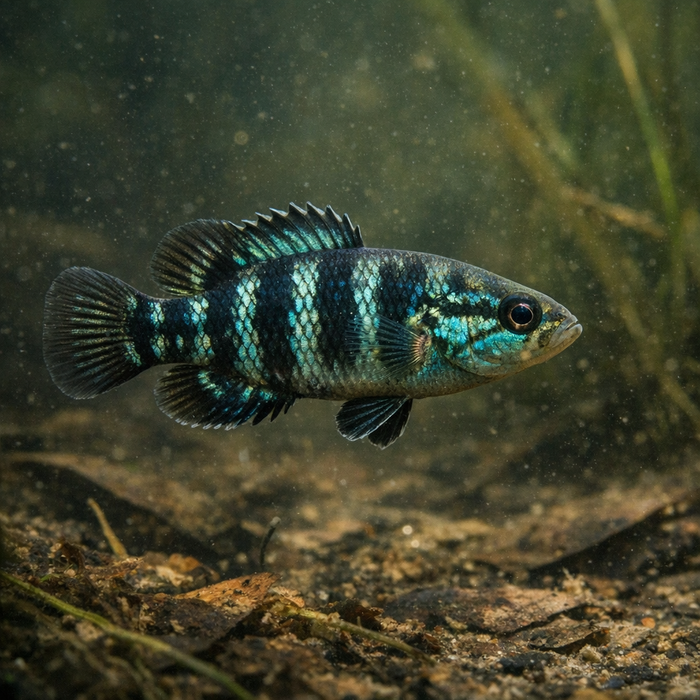
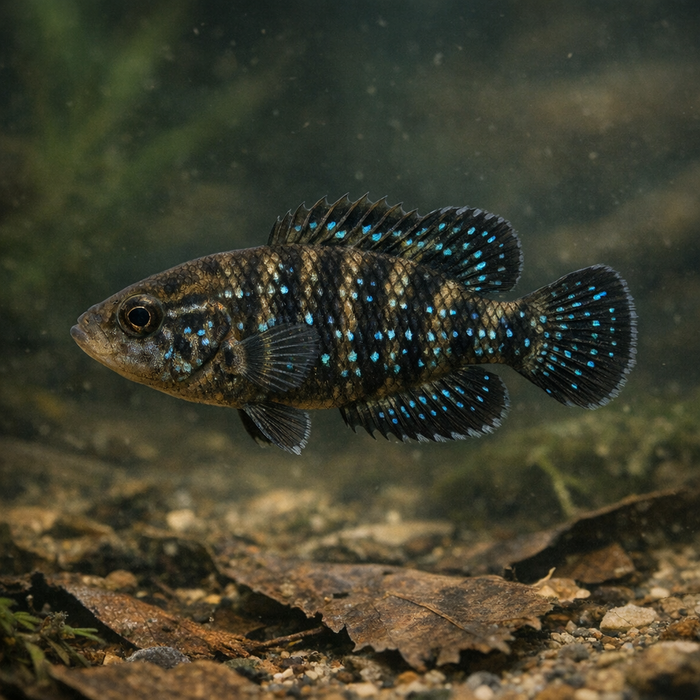
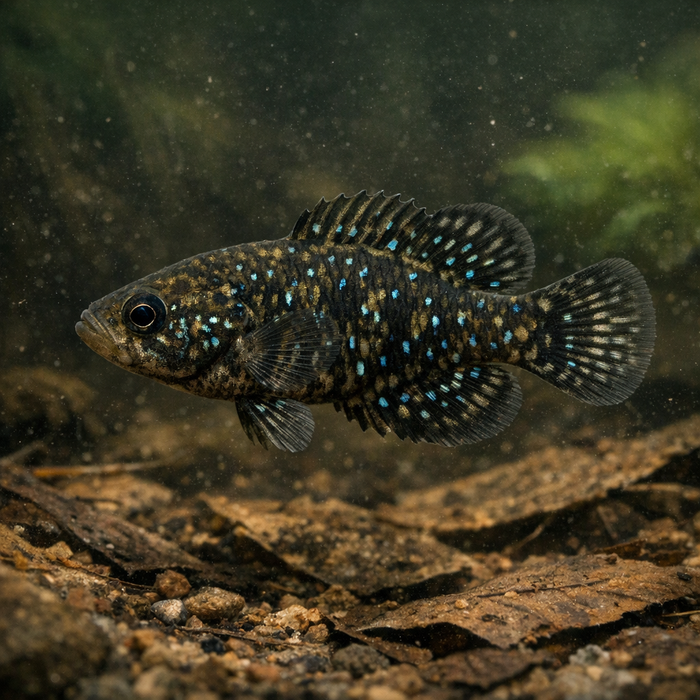
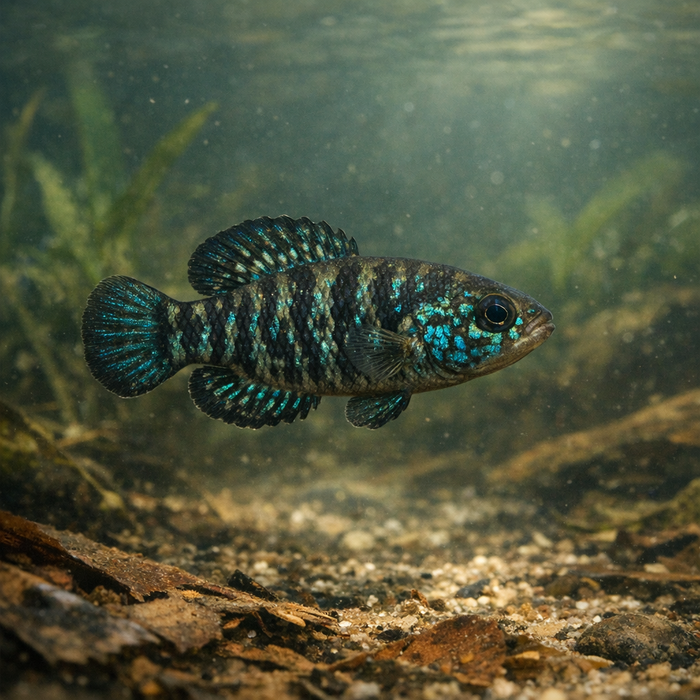
Everglades Pygmy Sunfish (Elassoma evergladei): A one-inch assassin with nightclub lighting and swamp swaggerIntroductionSay hello to the smallest fish you'll ever stalk with real intent. The Everglades pygmy sunfish looks like a speck until it flips the switch and goes full neon. This is microfishing at its weirdest and most addictive: dense weeds, blackwater tea, stealth casts, and a strike measured in a twitch. If you're here for Everglades pygmy sunfish facts, you're about to find out why this tiny predator punches way above its weight.What Makes the Everglades pygmy sunfish Unique?Start with attitude. Males of Elassoma evergladei black out like miniature voids, then strobe electric-blue spangles during courtship. That lightshow isn't for you, it's for rivals and mates, but it'll hook you as an angler. Second, the scale: adults often hover around an inch long, yet they behave like pocket cichlids, claiming territories and ambushing prey. Third, precision feeding: with a vacuum-snap mouth and cut-to-length fins, they slurp midge larvae and micro-crustaceans with shocking speed. The result is a fish that's microscopic in size but maximal in character.Habitat & Global RangeThink still, tannin-stained water choked with plants. The classic Everglades pygmy sunfish habitat is backwater swamps, roadside ditches, sloughs, and weedy canal margins. They prefer low flow, leaf litter, and dense stemmy cover where oxygen dips and big predators fade. Their core range sits in the Florida peninsula and adjacent coastal plain wetlands. You'll connect from shore more often than from a boat, peering into mats and pockets barely deeper than your boot soles.Behavior & TemperamentCautious, then cocky. They hold tight to micro-structure, hover motionless, and vanish if you stomp the bank. But a patient approach unlocks the show: males shimmy, flare fins, and charge anything that trespasses. Despite their size, they are pure predators, feeding in bursts when tiny prey drifts near. Expect quick bites during low light and stable weather, with short feeding windows that feel more like trout sips than panfish pecks.Ecological ImportanceThe Everglades pygmy sunfish is a linchpin in the small-stuff food web. It converts swarms of insect larvae into fish flesh, then donates that energy up-chain to larger predators. In blackwater systems where productivity hides in shadows and detritus, these fish help keep mosquito populations in check and move nutrients out of the muck. They also telegraph wetland health: when dense vegetation thins and water chemistry shifts, their numbers tell the story fast.Conservation & Environmental PressuresGood news first: the species is currently listed as Least Concern, and in many swampy pockets they're plentiful. The threats are more about places than individuals. Drainage projects, herbicide-driven vegetation loss, severe droughts, and hard-edged canal cleanouts can crush suitable microhabitat. Because the Everglades pygmy sunfish lives so shallow and so local, one bad maintenance cycle can erase a tiny population. On the flip side, small retention ponds and vegetated ditches can create surprise refuges when managed with a light touch.The FishyAF TakeChasing the Everglades pygmy sunfish is the ultimate humility drill. You're not out-muscling anything; you're threading a size-26 hook through a jungle to outfox a fish the size of your thumbnail. It's staring contests with weeds, precision flips, and a heartbeat you swear you can hear through 2-pound mono. If you want volume or fillets, look elsewhere. If you want a master class in stealth, water reading, and patience, this fish will tune you up. And when that tiny male flashes blue and hammers your micro-bait, you'll realize you just got a top-shelf bite from the smallest brawler in Florida's swamps. Consider this your invitation to the weird side of warmwater fishing-where Everglades pygmy sunfish habitat, timing, and finesse mean everything, and an inch of fish delivers a mile of satisfaction.