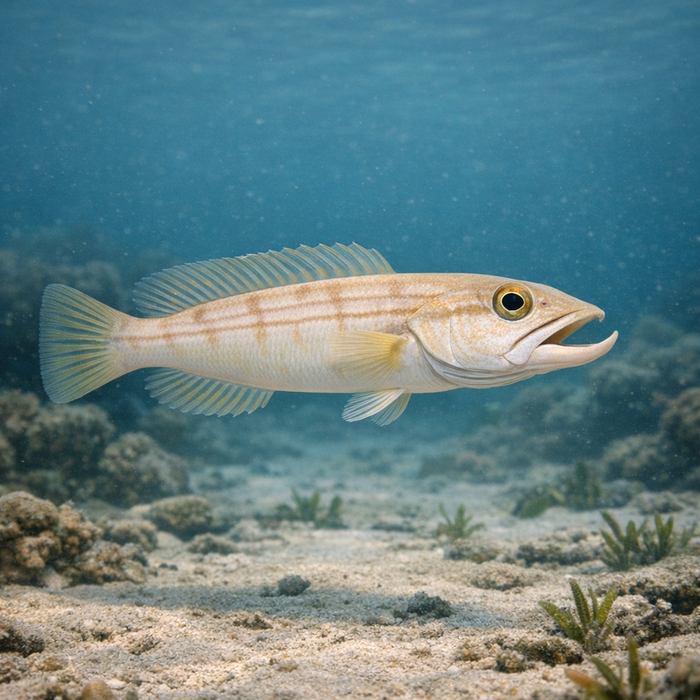
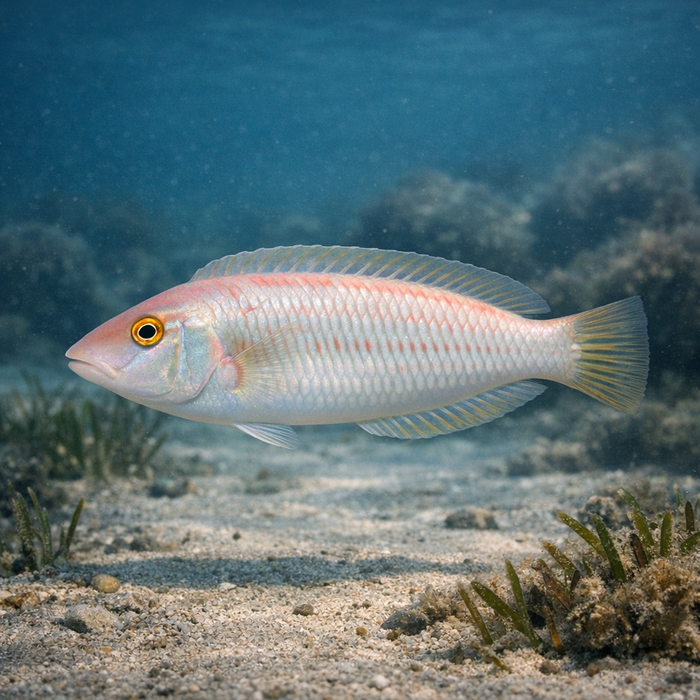
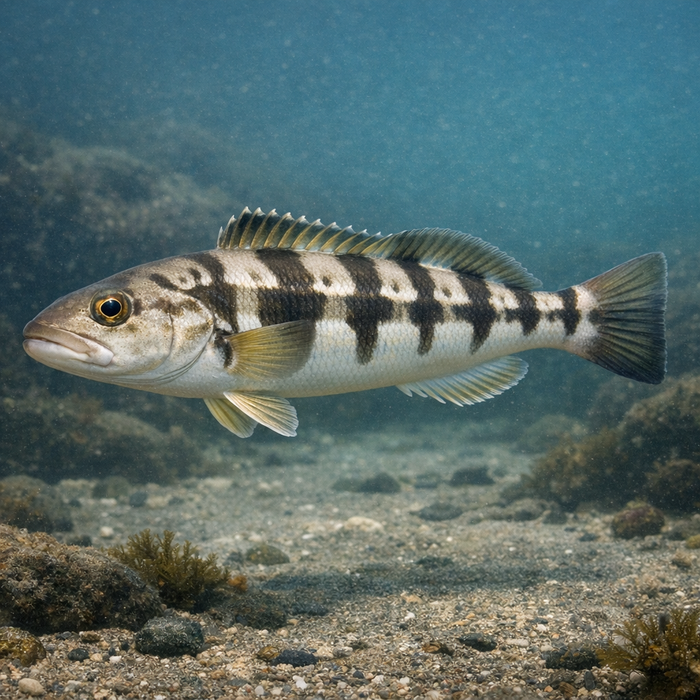
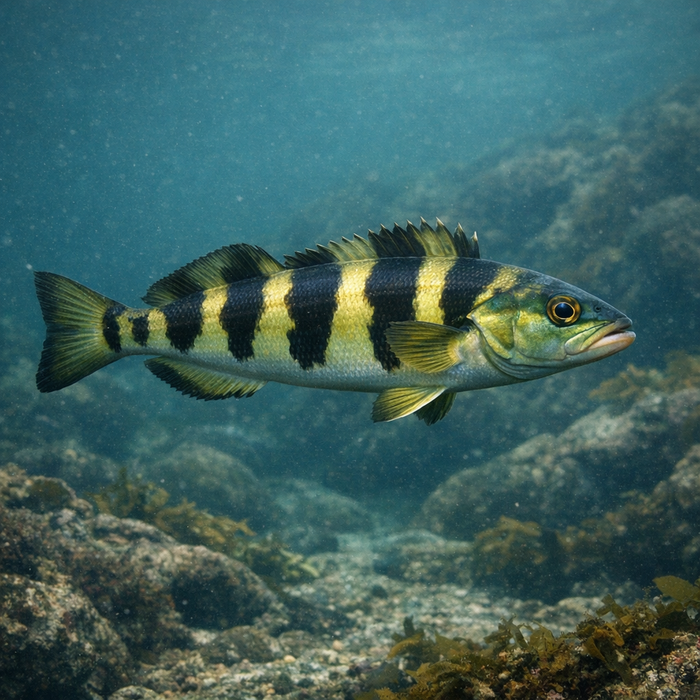
Finespotted Jawfish (Opistognathus punctatus): The Tiny Engineer With A Giant AttitudeIntroductionMeet the finespotted jawfish, the reef's most dedicated homebuilder and one of the strangest little neighbors you'll ever try to tempt. This fish spends most of its life popping up and down from a self-made burrow, eyes scanning like a periscope and jaws ready to shovel gravel. Anglers don't chase finespotted jawfish for screaming runs. They chase them for the challenge of coaxing a hyper-wary, micro-sized creature to peek out, nip a bait, and not vanish in a poof of sand. If that sounds weirdly fun, welcome to the club.What Makes the Finespotted Jawfish Unique?Two big things. First, it is an elite excavator. The finespotted jawfish collects pebbles, shell chips, and coral crumbs and then architects a tidy front porch that it remodels constantly. Second, reproduction is full-on jawfish theater. Males incubate eggs in their mouths, gently yawning to circulate fresh water until hatch time. Add the namesake fine speckling across its head and body, and you have a fish that looks like starlight and behaves like a tiny bulldozer with trust issues.Habitat & Global RangeIf you're scouting finespotted jawfish habitat, think sandy or rubble flats tucked against coral structure. They want enough hard bits to fortify a tunnel and enough nearby cover to bolt if a shadow looks off. This species occurs across parts of the western Pacific and marginal seas, generally around warm, clear waters where reefs meet sand. Depths vary by region and conditions, but the play is the same: choose a patch that can be mined for building materials, then set up shop.Behavior & TemperamentThe finespotted jawfish is both bold and skittish. Bold, because it will hover above its doorway and eyeball you like a bouncer. Skittish, because one wrong move and it vacuum-seals itself underground. It feeds by ambush and quick sorties, which makes presentation finesse everything. Courtship ramps up the drama: males perform quick vertical dashes and showy yawns while keeping one fin on the escape hatch. They rarely roam far, so once you locate an active burrow, you're essentially working a single address with a very opinionated tenant.Ecological ImportanceTiny fish with big jobs keep reefs humming, and the finespotted jawfish is a great example. By digging, sorting, and re-stacking substrate, it aerates sand and redistributes shell fragments, turning lifeless patches into micro real estate for invertebrates. That burrow also becomes shelter for hitchhikers, from tiny crustaceans to worms. The fish itself is a snack for larger predators, so every cautious peek is part of the reef's energy budget. These are small players with outsized ecosystem impact.Conservation & Environmental PressuresThe species isn't front-page news for conservation, but its neighborhood is. Reef erosion, coastal development, storm damage, and poor water quality all make life harder for a fish that depends on clean rubble and gentle structure edges. Add unregulated collection for the aquarium trade in some regions and you can stress local pockets fast. No doom spiral here, just a reminder that healthy finespotted jawfish habitat is the byproduct of healthy reefs and responsible harvest practices.The FishyAF TakeIs the finespotted jawfish a classic sportfish? Nope. Is it a killer target for anglers who like puzzles, precision, and weird bragging rights? Absolutely. This fish rewards patience, stealth, and a surgeon's touch with the bait. It's a master class in small-watercraft positioning, slack-line control, and reading body language from a head the size of your thumb. If you're into micro challenges and unusual species, add it to your hit list. Finespotted jawfish facts may never pack a weigh station, but they'll make you a sharper, calmer angler. And once you've cracked the code on one cautious little homeowner, bigger, toothier fish suddenly feel way less intimidating.