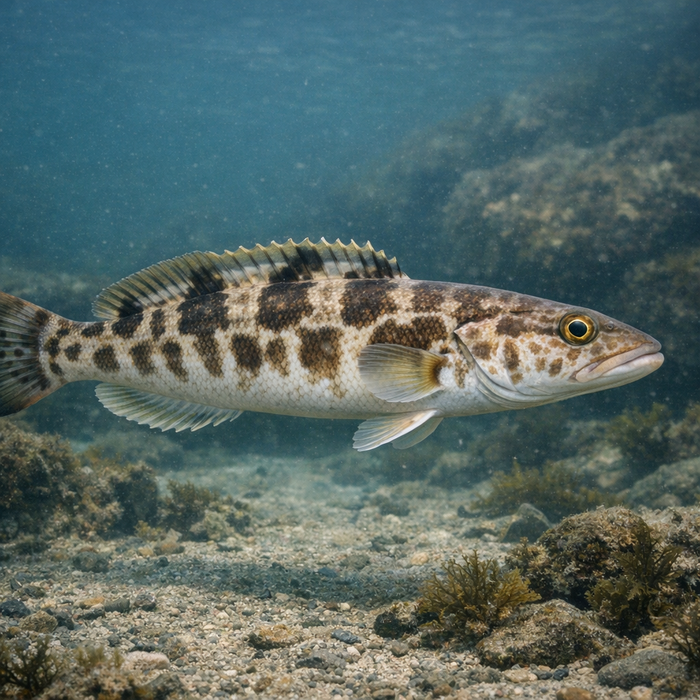
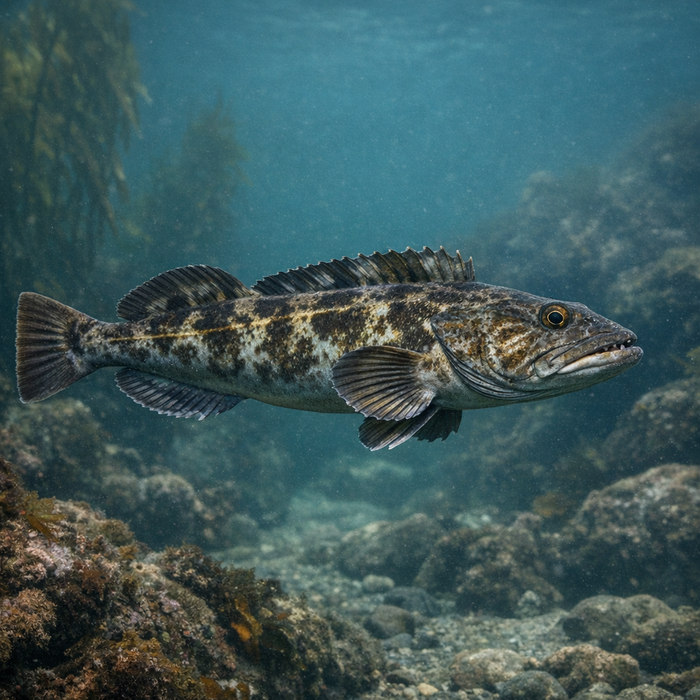
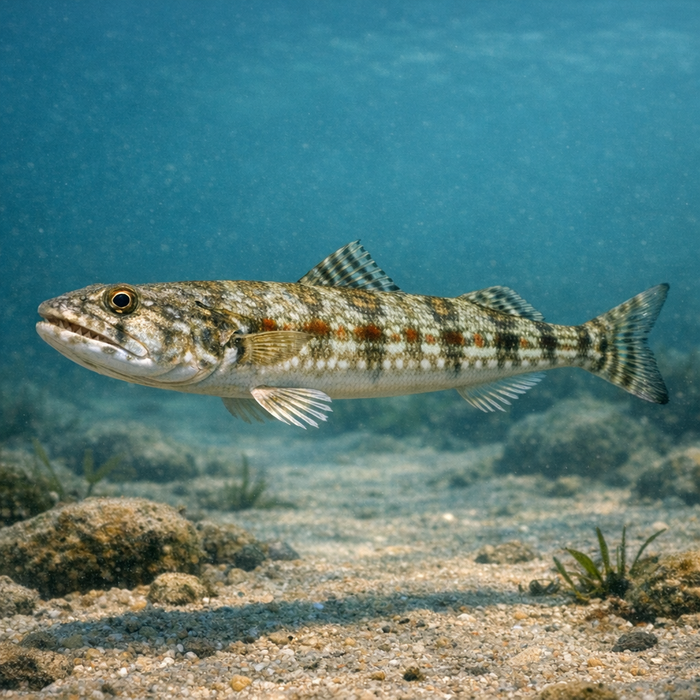
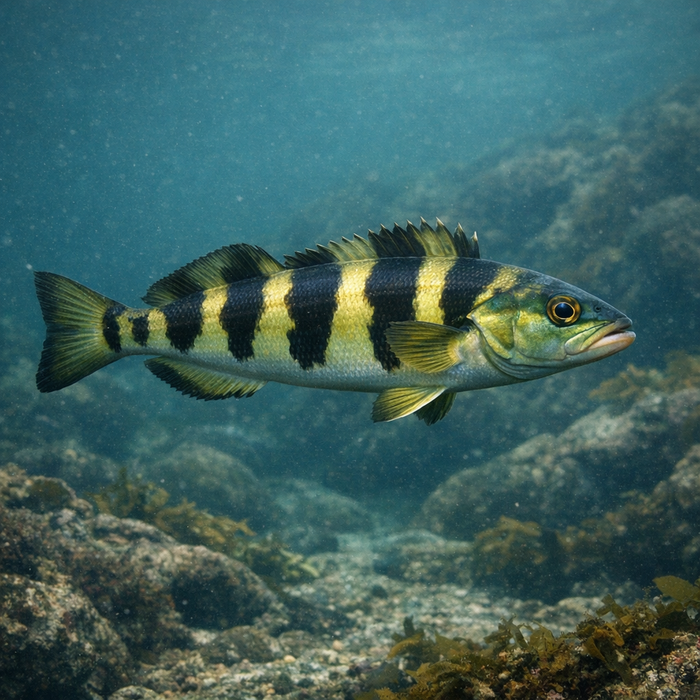
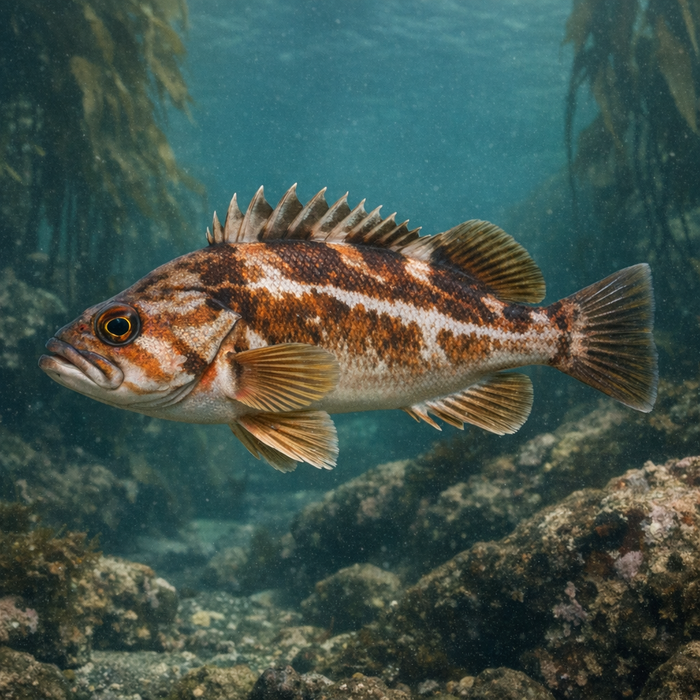
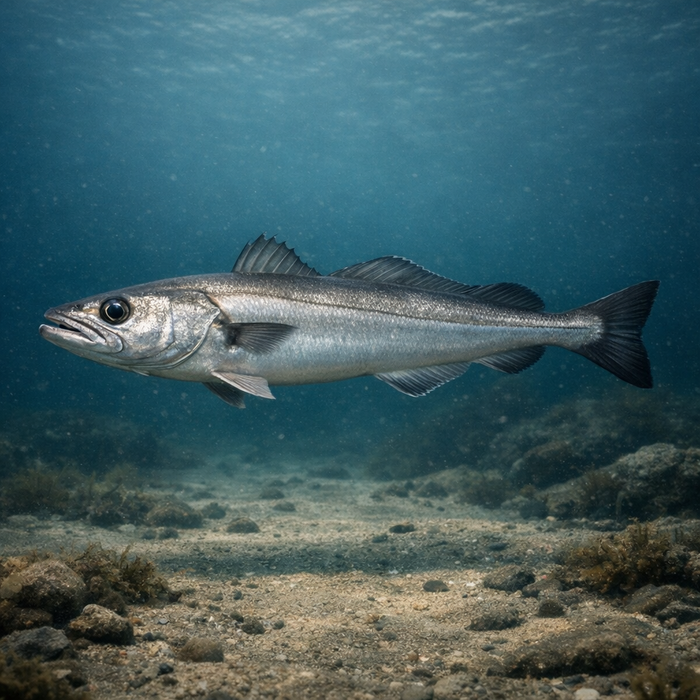
Argentinian Sandperch (Pseudopercis semifasciata): The Shelf-Dwelling Ambusher With Serious AttitudeIntroductionMeet the Argentinian sandperch, a stout, bottom-hugging predator that blends into sand and rubble, then detonates into action the instant something edible flits past. It's not a glamour species with posters and fan clubs, but if you like stealthy ambush artists that hit like a truck and fry up clean, this fish belongs on your radar. Add in a look that toggles between cryptic camo and flashy breeding stripes and you've got a seriously underrated target.What Makes the Argentinian sandperch Unique?Two things jump out. First, shape and stance. The Argentinian sandperch hunkers on broad pectorals like a tripod, low-slung and coiled, scanning the bottom with big eyes and a lateral line that arches over the shoulder. Second, that color show. Nonbreeders wear earthy mottles and half-bands, but mature males crank up blue streaks and even grow elongated dorsal filaments during the season. Paired with canine teeth built for crunching shrimp and baitfish, this package screams ambush. It's an engineer of the sneak attack more than a sprinter, which is exactly why light-tackle bottom fans love them.Habitat & Global RangeTalk Argentinian sandperch habitat and you're talking the temperate Southwest Atlantic shelf: southern Brazil through Uruguay and into Argentina, especially where clean sand meets rock, low ledges, or old wreckage. Depth-wise, expect a wide band from roughly nearshore zones to deeper shelf edges, with that sweet spot where current brings groceries along the bottom. The fish isn't a constant roamer. Instead it works small sectors methodically, sliding from sand tongues to rubble patches and back. If you're building a picture for trip planning or brushing up on Argentinian sandperch facts, imagine a reefy mosaic stitched together by sandy highways, and that's the neighborhood.Behavior & TemperamentThe Argentinian sandperch is all about controlled bursts. It sits still, angles just right, then rockets upward or forward a few body lengths to inhale prey. That means short, savage strikes and heavy head shakes, not long-distance sprints. They're structure-positive but not glued to any single rock. Think local routes instead of migrations. In mixed company with porgies and small groupers, sandperch often win the first-bite race because they'll lift off bottom to meet a falling bait or jig. Windows of aggression expand with water movement, and the bite can go from dead to chaotic on a tide switch.Ecological ImportanceAs a midlevel benthic predator, the Argentinian sandperch trims populations of small fish, crabs, and shrimp while feeding bigger predators above. It links sandy flats to reefs, raiding the edges and carrying that energy up the chain. Eggs and larvae drift in the plankton before settling, so each generation samples conditions across a broad swath of shelf water. That life history spreads risk and fuels recruitment when currents and temperature line up.Conservation & Environmental PressuresThis species doesn't ring the alarm bells like a slow-growing deepwater grouper, but it isn't bulletproof either. Bottom trawls, poorly placed nets, and heavy localized pressure around obvious reefs can dent local age structure. Water quality shifts, especially sediment plumes that smother small ledges, shrink usable habitat. Formal stock assessments are limited in English-language sources, so treat the Argentinian sandperch as regionally common yet deserving of basic respect: sensible bag limits, clean handling, and awareness of seasonal closures or marine parks. If you need a phrase to search later, "Argentinian sandperch habitat" will pull up the kinds of bottom that matter most.The FishyAF TakeThe Argentinian sandperch is a blue-collar trophy. It won't headline your social feed, but it will fold a medium rod, shake the drag, and fill a skillet with pearly flakes. It rewards anglers who can read subtle structure and keep contact with the bottom without snagging every other drop. If you're the type who enjoys dialing a drift, tweaking jig cadence, and outwitting a fish that lives by ambush, this one's your jam. Bring squid, bring a handful of compact jigs, and bring patience. When the tide flips and the sandperch turn on, the bites feel like you've just kicked a live electrical cable. We're fans, and after a session on a sandy ledge with a little swell running, you will be too.