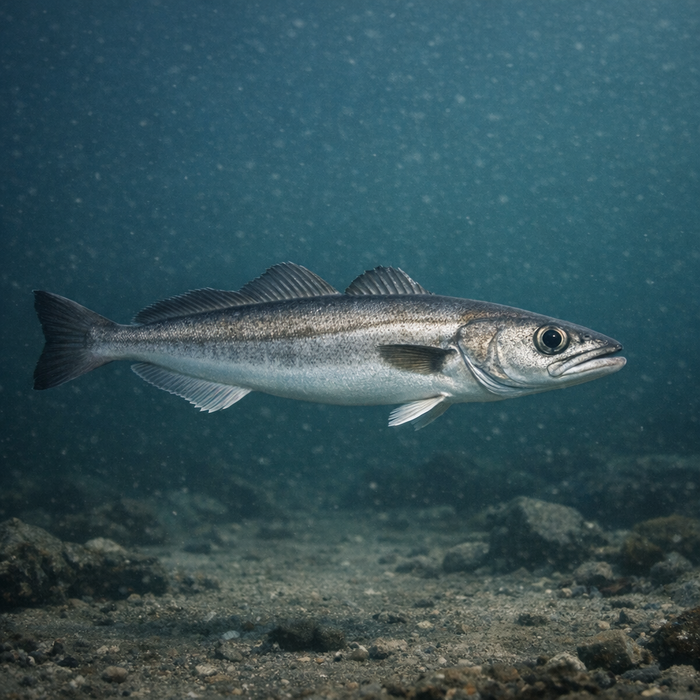
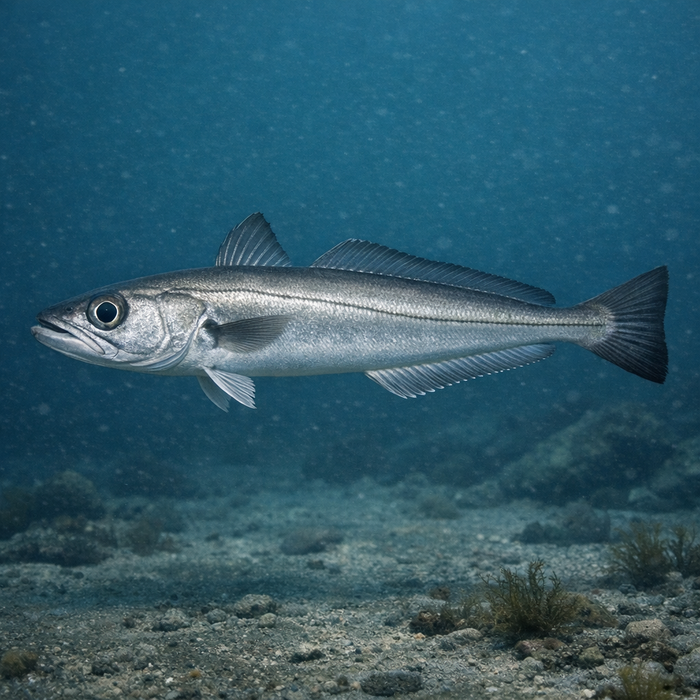
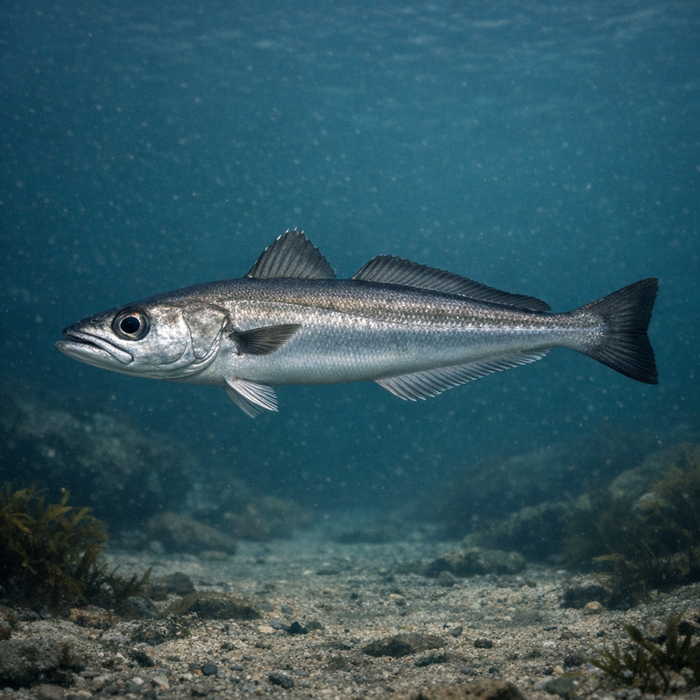
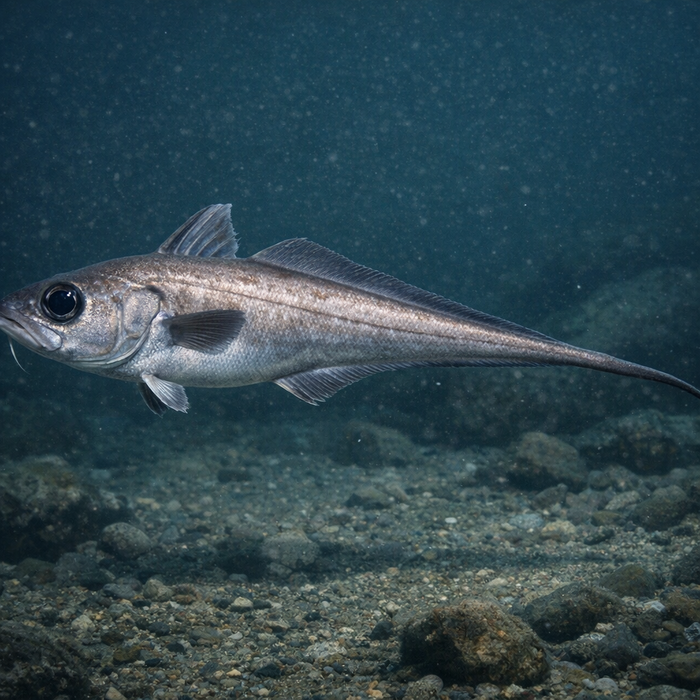
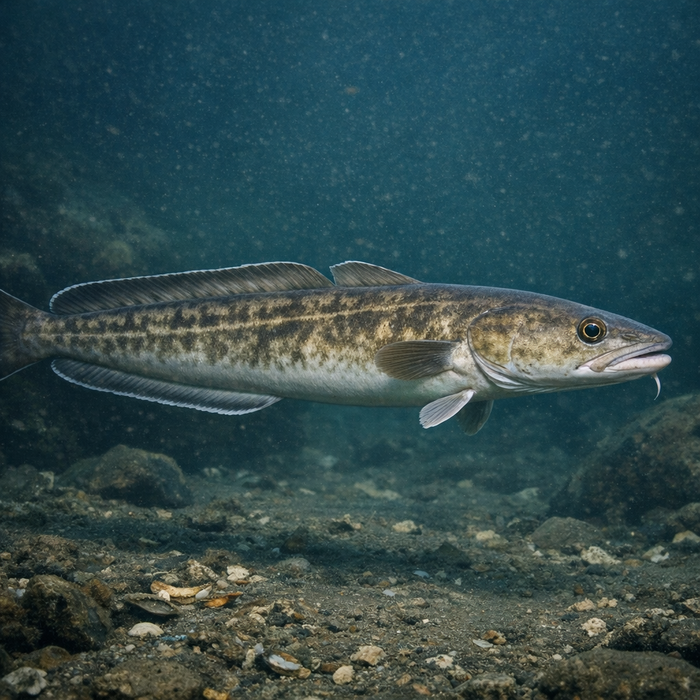
Argentine Hake (Merluccius hubbsi): Silver torpedo of the Patagonian shelf, humble looks, serious groceries.IntroductionCommercial nets love them. Anglers barely talk about them. The Argentine hake sits in that weird sweet spot where a fish is incredibly important and oddly underhyped. If you like deep drifts, squid strips, and the thump of a solid midwater takedown, this cod cousin delivers. It's not a glam pelagic, but it fills coolers, fuels economies, and will surprise you with a stubborn, head-shaking fight.What Makes the Argentine hake Unique?Two things: behavior and build. First, Argentine hake move like elevator riders, hugging bottom by day and rising to hunt squid and baitfish at night. That daily commute makes them perfect for jig-and-bait combos. Second, their jaws are all business. Think pocketknife hinge with needle teeth, ideal for pinning slippery anchovies. Add a split stock with separate spawning pulses north and south of Patagonia and you've got a fish with seasons inside the season. These are the Argentine hake facts most folks miss.Habitat & Global RangeArgentine hake habitat is all about the continental shelf and slope of the southwestern Atlantic, from southern Brazil past Uruguay and down the Argentine coast to the Falklands/Malvinas and beyond. Depth is the calling card. Expect fish from roughly 50 to several hundred meters, with adults trending deeper. Soft bottoms, gentle contours, and productive shelf breaks matter more than rocks. They school thick when conditions are right, often enough to paint dense clouds on a sounder.Behavior & TemperamentArgentine hake are schoolers with a predatory streak. They're not spooky, but they are current-savvy and use low light to their advantage. Bite windows tend to pop during dusk, night, and early morning, especially when squid move. The fight is stubborn more than flashy: strong initial thump, heavy dogged pulls, and those telltale head shakes. Soft mouths punish anglers who horse them; steady pressure wins.Ecological ImportanceStrip away the tackle talk and the Argentine hake is a keystone dinner bell. They smash anchovies, squid, and small fishes, then pass that energy to seals, sharks, and people. They also self-regulate via cannibalism when forage dips, which is equal parts brutal and efficient. High fecundity, pelagic eggs, and broad migrations keep the engine running, provided fishing pressure and environment stay in check.Conservation & Environmental PressuresThis species has worn the crown of "most important Argentine fishery" and the target on its back at the same time. Trawl effort, bycatch, and stock structure complexity have all pushed managers to tighten controls over the years. Recruitment swings with climate and prey, so strong year classes can be followed by lean ones. The short version: abundant, but never to be taken for granted. Smart quotas and closed areas are not buzzkills; they're insurance policies.The FishyAF TakeIf your idea of fun is shallow flats and sight-casting, the Argentine hake won't seduce you. But if you like deep drifts, electronics, and meat-in-the-box practicality, this fish is your patient, underappreciated friend. Argentine hake are honest biters when you find them, perfectly suited to squid strips on a high-low rig or a medium-weight jig sweetened with bait. They're simple to cook, mild, and flake beautifully. Not glamorous, not rare, but absolutely worth your time. And when that graph blacks out and your rod loads up slow, you'll remember why the world built an industry around this silver torpedo named Merluccius hubbsi.