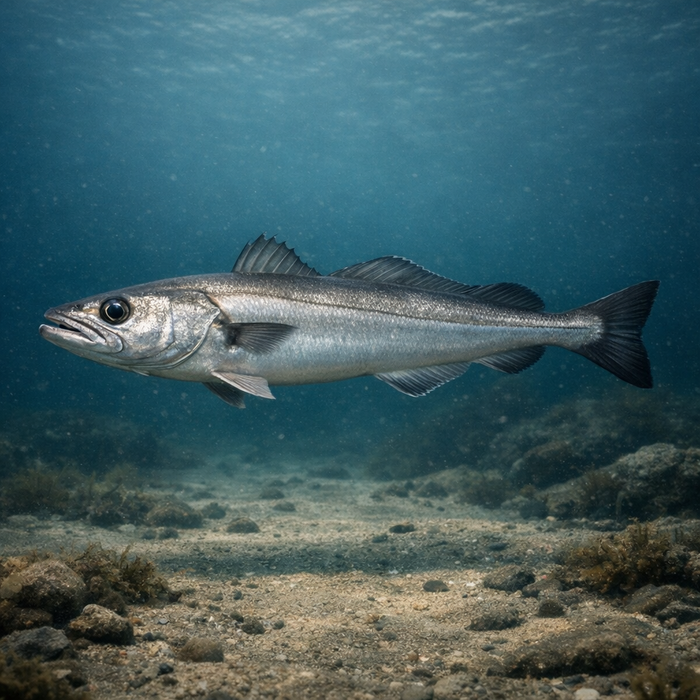
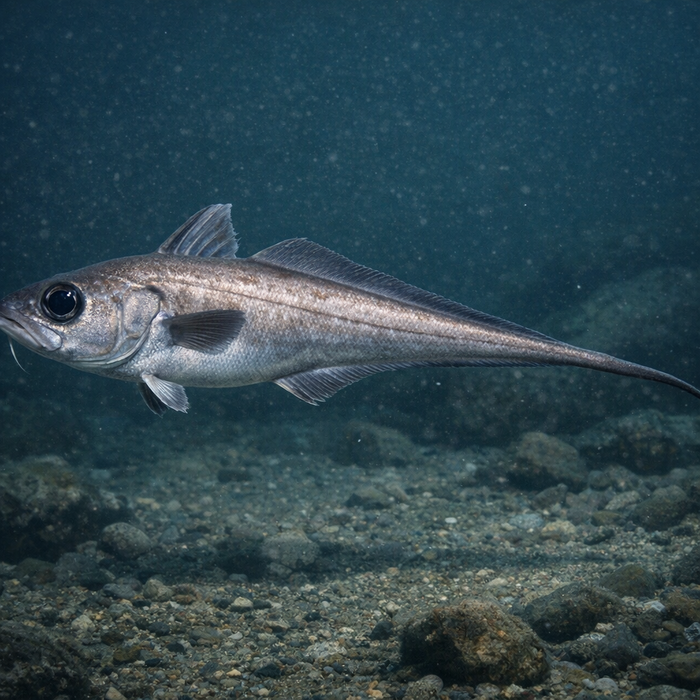
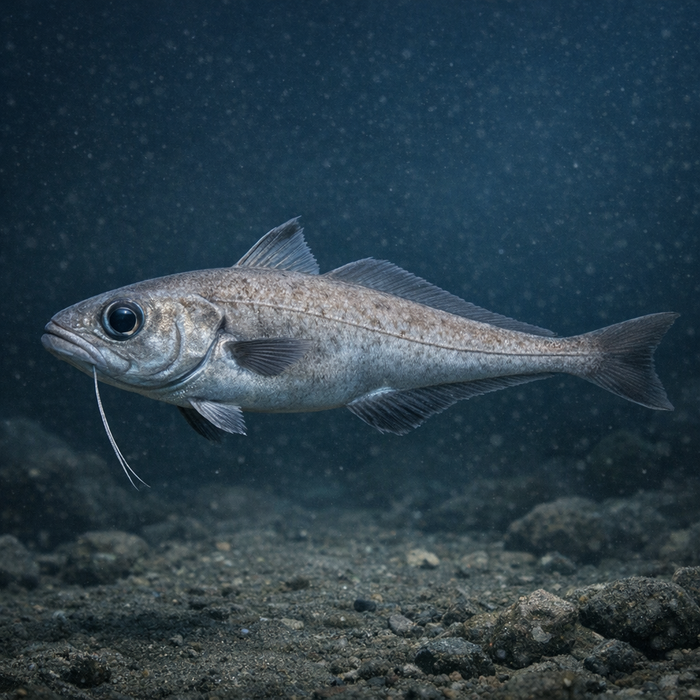
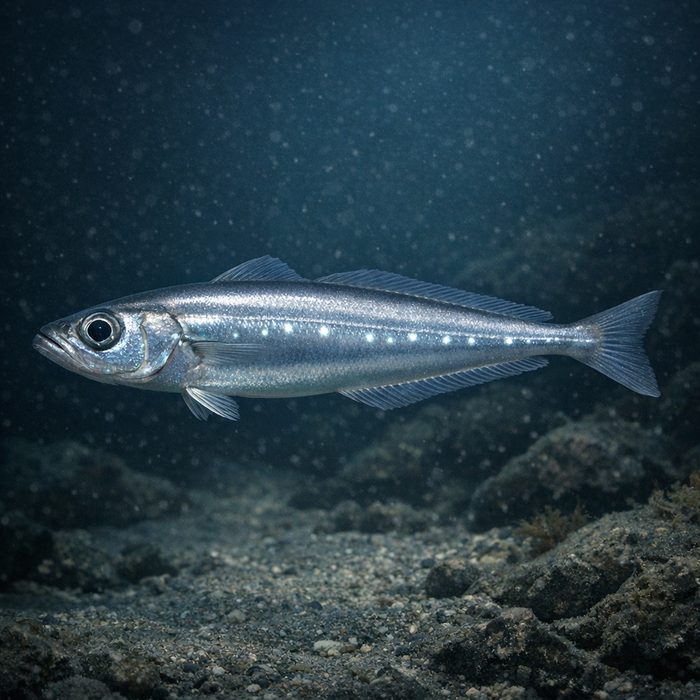
Ling (Molva molva): A Bold, Memorable Hook LineIntroductionMeet the ling, the North Atlantic's wreck-dwelling bruiser that looks like a cod hit the gym and then refused to leave. Long, lean, and packing a predator's toolkit, the ling turns quiet sonar screens into heart-rate spikes the second your bait brushes steel or rock. It is not delicate fishing. It is deep, dark, and full of snags, but when a ling commits, it feels like the bottom just started swimming away. If you like big drags and heavy leaders, this is your kind of fun.What Makes the Ling Unique?Two things stand out. First, that stretched, eelish frame with one endless dorsal fin and a telltale chin barbel. The ling looks built for crevices and wreck ribs, and it is. Second, it has teeth that would make a cod blush. Those canines are made for wrenching down big bites, so whole mackerel and hefty jigs are absolutely on the menu. The combo of structure obsession and savage hardware is what separates the ling from its more polite Gadid cousins. Ling facts start with this: it is a proper ambush predator wearing a cod-family jersey.Habitat & Global RangeLing habitat is the rough stuff of northern and northeastern Atlantic waters. Think steep edges off Norway, Iceland, the Faroes, Shetland, and the British Isles, then carry that picture down through the North Sea and into deeper Atlantic margins. They rule the lower floors: wrecks, reefs, rubble piles, and sheer ledges from modest depths to several hundred meters. Juveniles flirt with kelp beds and boulder fields before graduating to deeper, gnarlier real estate. Boats are the default here. Shore-caught ling exist but are niche pursuits where deep structure kisses the coastline.Behavior & TemperamentLing are not fussy eaters. They are opportunists that punch hard, then instantly try to weld your line to iron. Expect a thump, a moment of disbelief, and a run straight for cover. They will stack in prime pieces, but they are not huge schoolers; more like a few heavy units per spot with fringe fish spread across the surrounding rough. Current helps. So does low light. It is workmanlike fishing: drop, contact, lift, repeat. The fish are there, but you must find the right lane and hold it.Ecological ImportanceAs mid-to-upper tier predators on deep structure, ling help regulate populations of smaller fish and invertebrates that use the same habitat. They are part of a larger assembly that includes cusk, congers, pollack, and big cod, and they become serious calories for larger sharks and marine mammals. When wrecks and reefs are healthy, the whole system steadies, and ling plug neatly into that stability by turning abundant forage into high-value biomass.Conservation & Environmental PressuresCommercial fleets longline, gill, and trawl for ling, and the species shows up in mixed deepwater catches. Quotas and minimum sizes exist across much of Europe, and many stocks are now better monitored than they used to be. Still, pressure adds up on slow-growing, structure-tied fish. Wrecks concentrate effort as well as fish, so local depletion can happen if everyone hammers the same marks. Storm damage, lost gear, and ghost nets also turn productive structure into hazards. The good news is that ling respond well to sensible harvest, gear selectivity, and closed areas around sensitive wrecks.The FishyAF TakeLing get labeled as "just another codfish" by people who have never tried to drag one out of a steel labyrinth. The truth is the ling is a specialist, a wreck rat with muscle and mean teeth. It rewards tight boat handling, tidy rigs, and a willingness to lose some lead in exchange for big paydays. If your idea of a perfect day is light tackle on sunny flats, move along. If you like deep meters, sore backs, and grin-inducing, white-fleshed fillets, the ling is your huckleberry. Bring spare rigs and a sense of humor.