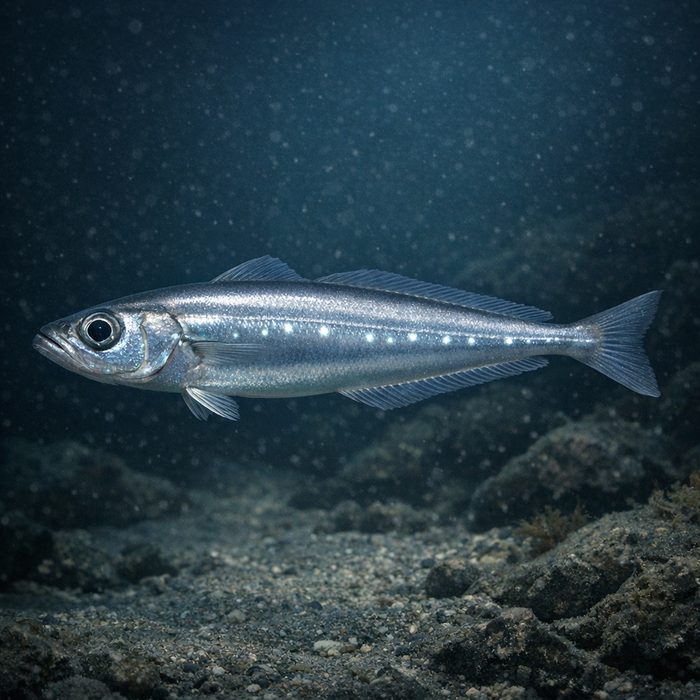
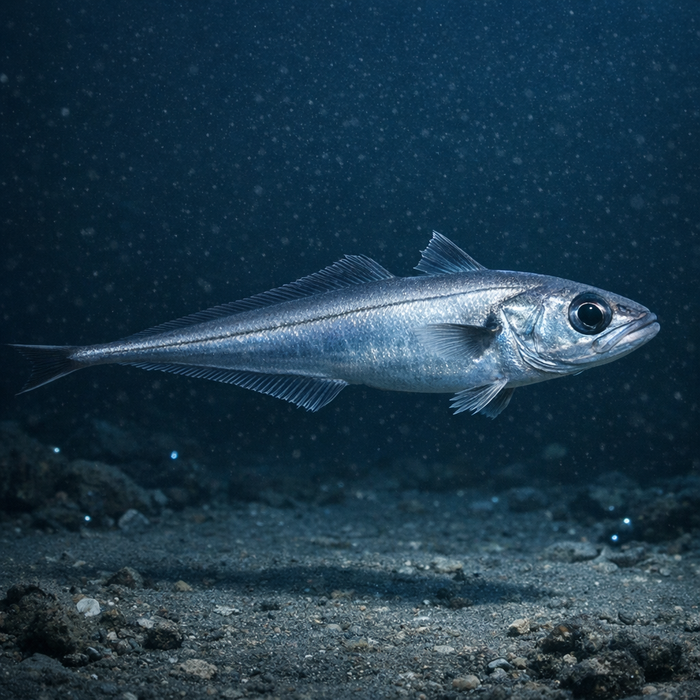
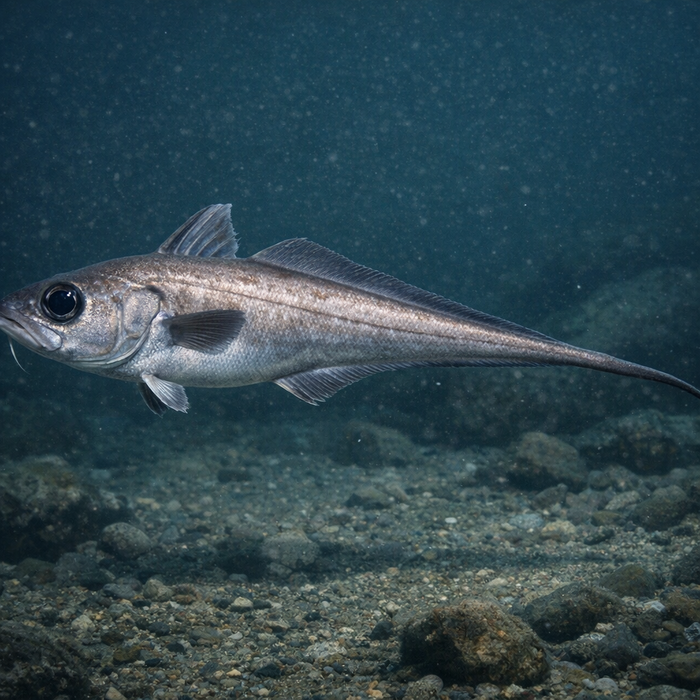
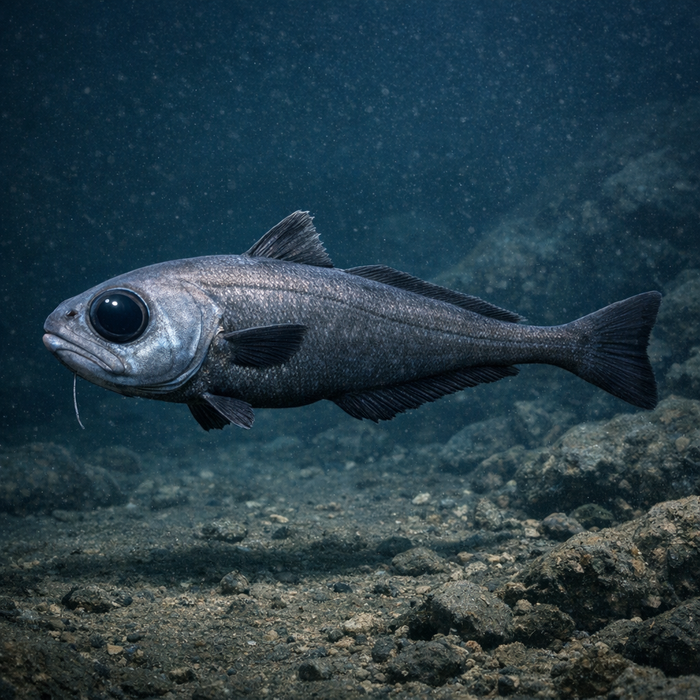
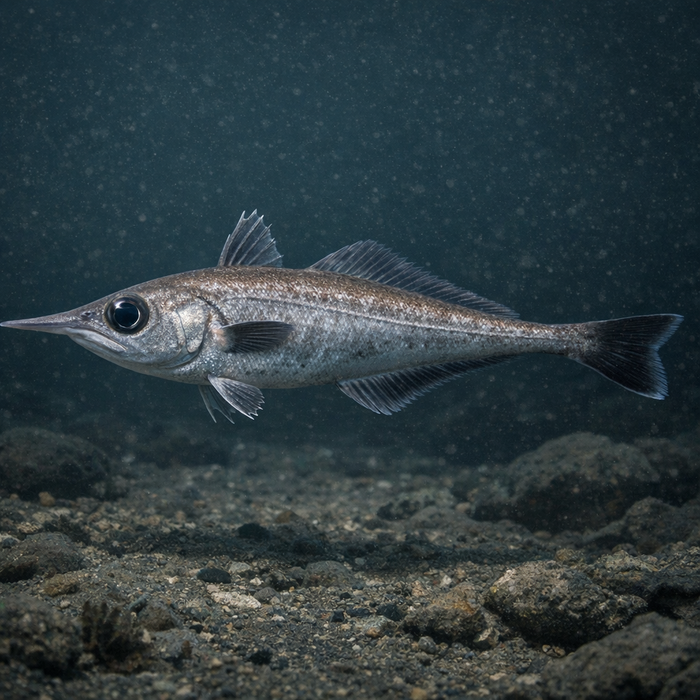
Slender Snipefish (Macroramphosus gracilis): A needle-nosed oddball from the deep that turns bycatch into bragging rights.IntroductionThe slender snipefish is the fish you didn't plan on catching and then can't stop talking about. Tiny, coppery, and equipped with a drinking-straw snout, it drifts along continental slopes like midwater confetti. You won't book a charter for it, but when a slender snipefish rides up on your deep-drop rig, it's instant show-and-tell. Consider this your crash course in slender snipefish facts and a practical peek at slender snipefish habitat so you can name what you just reeled from 1,000 feet.What Makes the Slender Snipefish Unique?Two things: the build and the bite. The build is all about that elongated tube snout and a compressed, glinting body that hangs head-down at weird angles like a tiny javelin. The bite is a micro-suction event. That pinhole mouth flares and vacuums copepods and other specks with surprising snap. It's a member of the seahorse-and-pipefish clan, which explains the precision feeding hardware. For anglers, the standout move is seeing multiple slender snipefish stacked on a sabiki dropper like ornaments-proof that small mouths and deep water still add up to catchable.Habitat & Global RangeThis species works the edges: continental slopes, canyons, and seamount skirts in temperate to subtropical oceans. Think deep water, midwater layers, and current seams stitched along dramatic underwater terrain. The slender snipefish is widely distributed, showing up across the southern hemisphere and beyond, with a reputation for schooling over 100 to 600 meters when conditions line up. They're classic deep-slope commuters, often drifting in loose clouds above the bottom rather than rooting through it. If you're targeting tilefish or dropping for mixed deepwater fare, that's when a slender snipefish might crash the party.Behavior & TemperamentCall it politely aloof. Schools hover, tilt, reshuffle, and then blink away with a single tail twitch. Aggression is not their brand, and they won't dogfight on the line. Hook a slender snipefish and expect a brief, fluttery protest that's more curiosity than combat. Their head-down hovering likely helps them sight and pipette tiny prey drifting upslope in the current. They'll bunch up, then stretch out, but rarely interact with your gear like a predator-more like it accidentally intersected your elevator drop.Ecological ImportanceThe slender snipefish plays a small but steady role in the slope food web. It converts midwater micro-crustaceans into bite-sized fish for larger predators cruising the same terrain. In dense schools, they're a moving buffet signaled by a bronze shimmer. That energy transfer between planktonic prey and bigger slope hunters keeps the deep-shelf neighborhood humming. They also show how specialized feeding tools-like that suction straw-can dominate a narrow niche.Conservation & Environmental PressuresYou won't see targeted sport harvests for slender snipefish. Most human interaction comes from commercial trawl bycatch or incidental deep-drop catches. Broad-scale pressures matter more than hooks: deep-sea trawling on vulnerable seabeds, warming-driven shifts in current structure, and oxygen-minimum layers that can squeeze midwater real estate. Formal stock assessments are sparse, and listings may read "least concern" or "not evaluated," depending on the source. Translation: nobody's sounding alarms, but robust data is thin. Sustainable slope management and cautious deep-sea policy benefit everything in this zone, including the nameless shoals you never see.The FishyAF TakeThe slender snipefish won't test your drag and won't headline your Instagram. But it's a fantastic reminder that the deep ocean is weirder and more finely tuned than our tackle catalogs admit. If one turns up on your rig, admire the engineering: vacuum-snout, delicate armor, impossible poise. Then log it, learn from it, and send it back if you're not keeping bait. The slender snipefish is less a target and more a clue that you're fishing real slope water. Respect the oddballs. They often tell the best stories.