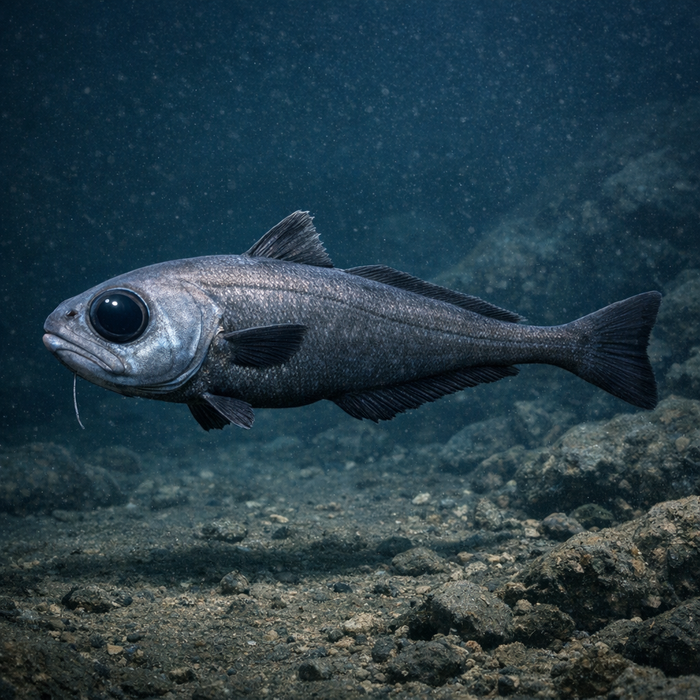
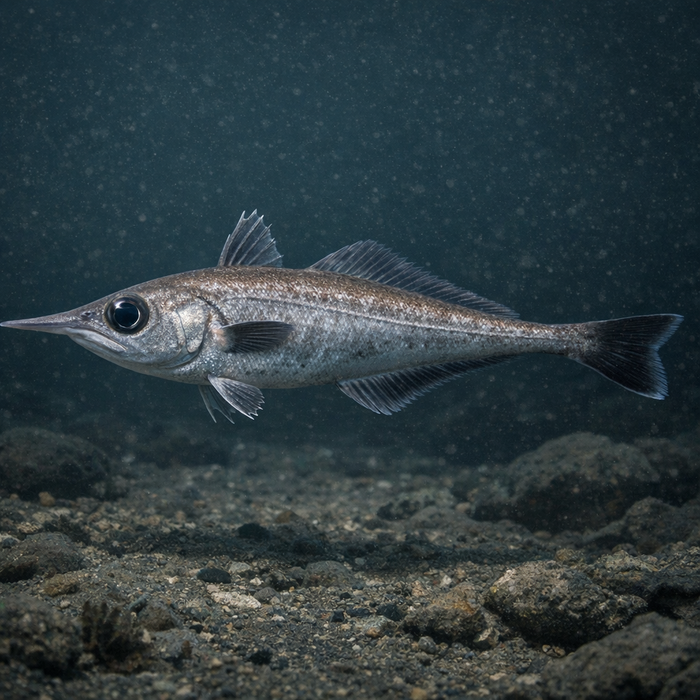
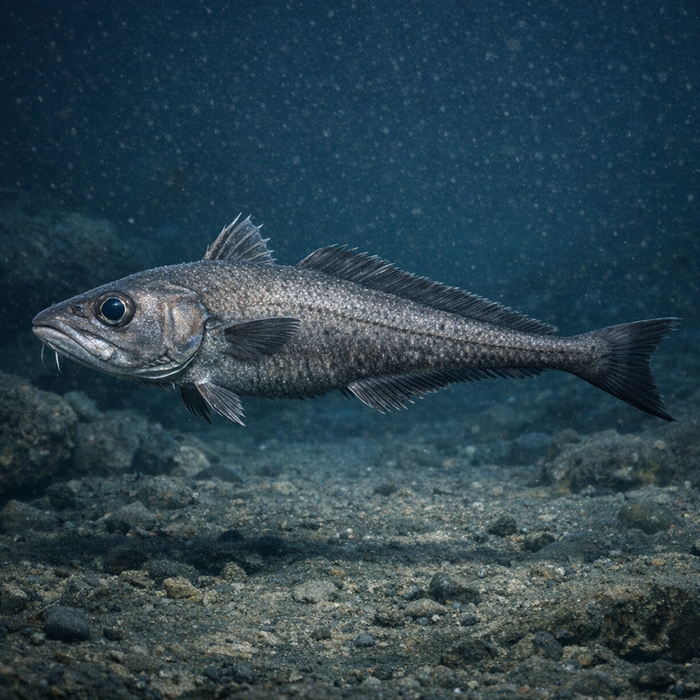
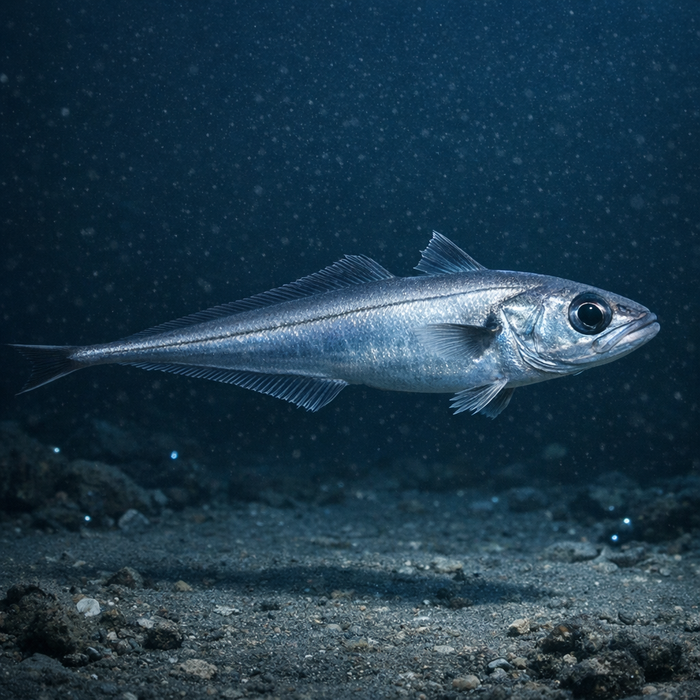
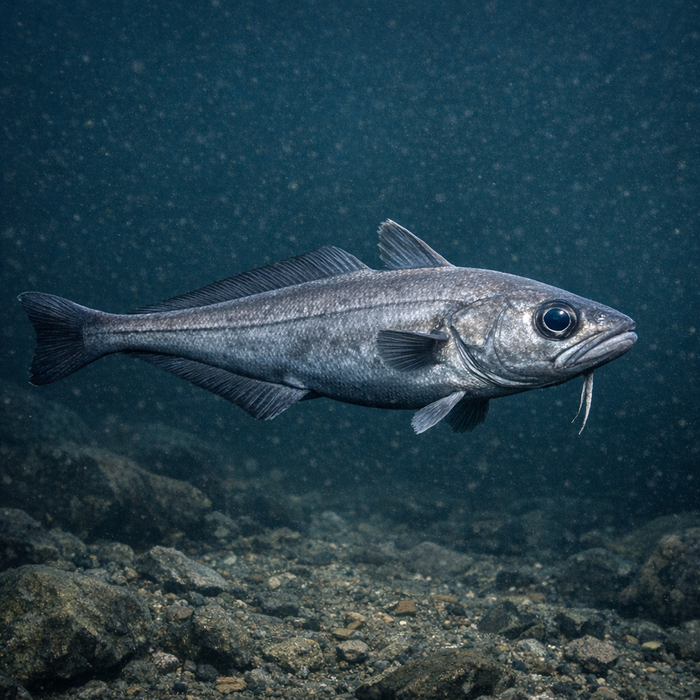
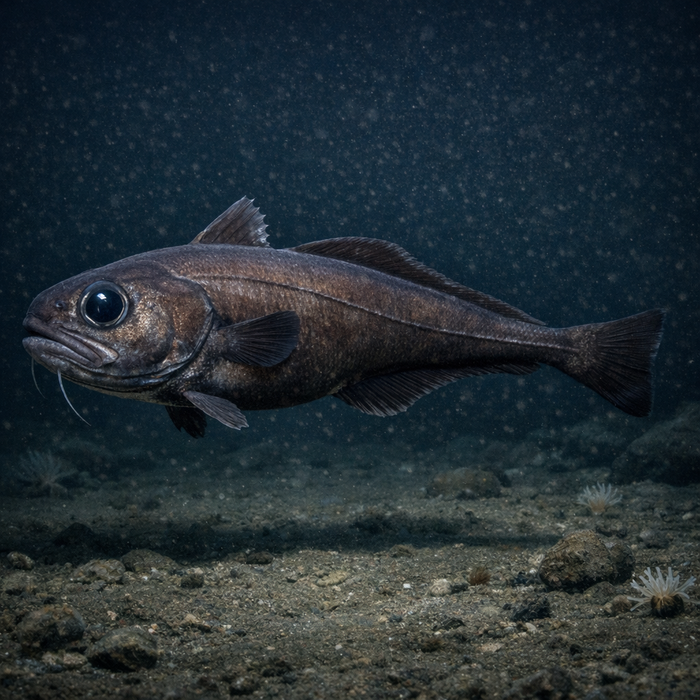
Loosescale Grenadier (Coryphaenoides anguliceps): The abyssal rat-tail with a hair-trigger wardrobe malfunction.IntroductionIf you fish deep enough, long enough, something weird stares back from the dark. The loosescale grenadier is that something: a long, tapering rattail with a big head, big eyes, and scales that bail at the slightest rub. Not a headliner on charter marquees, but a cult favorite for deep-drop diehards who want to see what else is down there. It's a mud-hovering, scent-tracking specialist that proves the ocean still has secrets.What Makes the Loosescale grenadier Unique?Start with the name. Those scales really are loose. Handle one and you'll see silver patches vanish like glitter on a sweaty dance floor. Next, the body plan: oversized skull, cavernous eyes, and a whiplike tail that's more than half the total length. It's built to cruise the benthic twilight using sniff-before-sight tactics. And unlike flashy pelagics, a loosescale grenadier plays the long game: conservative metabolism, careful moves, and surprising longevity. If you're digging for authentic Loosescale grenadier facts, that vanishing-scale trick is the headline, every time.Habitat & Global RangeThis is a deep continental slope regular, happiest over soft mud where trawls prowl and submersibles get moody footage. The loosescale grenadier hugs bottom contours from the outer shelf to the upper abyss, in water most boats will never sample. While exact mapping varies, it shows a broad, patchy distribution in cold to cool deepwater around major ocean basins. Think remote, dark, and pressure-laden-places you access with heavy sinkers, serious braid, and patience. If you're hunting for Loosescale grenadier habitat, target mud plains and gentle relief, not coral mazes.Behavior & TemperamentThe loosescale grenadier isn't a sprinter. It's measured. It cruises a foot or two off bottom, tilts down to investigate scent trails, and nips rather than crushes. On hooksets it's more dead weight than drag burner, the fight defined by depth, not ferocity. Baited-camera work shows cautious approaches and methodical pecking, especially around carrion. They're loners or loose aggregators, not tight balls of baitfish panic. Their eyes and lateral line work overtime in low light while their low-density tissues make hovering cheap on calories.Ecological ImportanceDeep-sea mud isn't empty; it's a slow-motion buffet. The loosescale grenadier helps move energy from sinking scraps and benthic invertebrates into bigger fish and, occasionally, fishers. Scavenger one day, predator the next, it plugs gaps in a food web that functions at glacial tempo. When trawls sweep, grenadiers wear the bycatch tag, reminding us that frontier zones aren't immune to pressure. Leaving scales behind easily might be lousy for glamour shots, but it's a built-in defense against predators that prefer grip-and-rip tactics.Conservation & Environmental PressuresData are sparse, like most deep-sea dossiers. Trawl effort, seafloor disturbance, and slow life histories don't always play nice together. Many macrourids show long lifespans and late maturity-traits that hate heavy turnover. Climate shifts are also creeping downslope, nudging oxygen, temperature, and food delivery in ways we barely measure. For the loosescale grenadier, that translates to a caution flag. The book isn't written, but anyone who's watched deep-sea stocks wobble knows that ignorance is not immunity.The FishyAF TakeIf you crave neon blitzes and screaming drags, keep scrolling. But if you want to fish where sunlight dies and weird rules, the loosescale grenadier is pure atmosphere. It's the anti-trophy: delicate scales, subtle takes, and a fight defined by gravity and a lot of crank turns. That's the appeal. It's proof you went there. Bring cut squid, stout tackle, and low expectations for glamour. Bring high expectations for stories. And maybe a towel-the scales won't stick around, but the slime absolutely will.