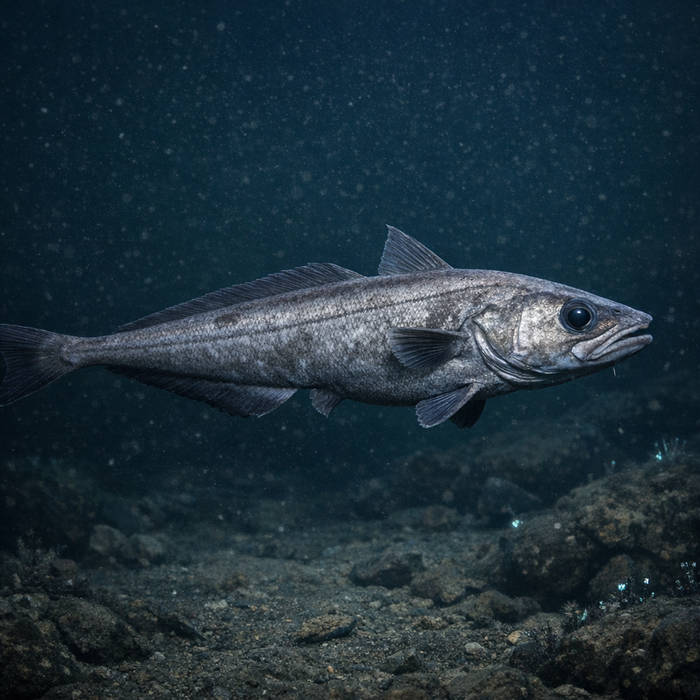
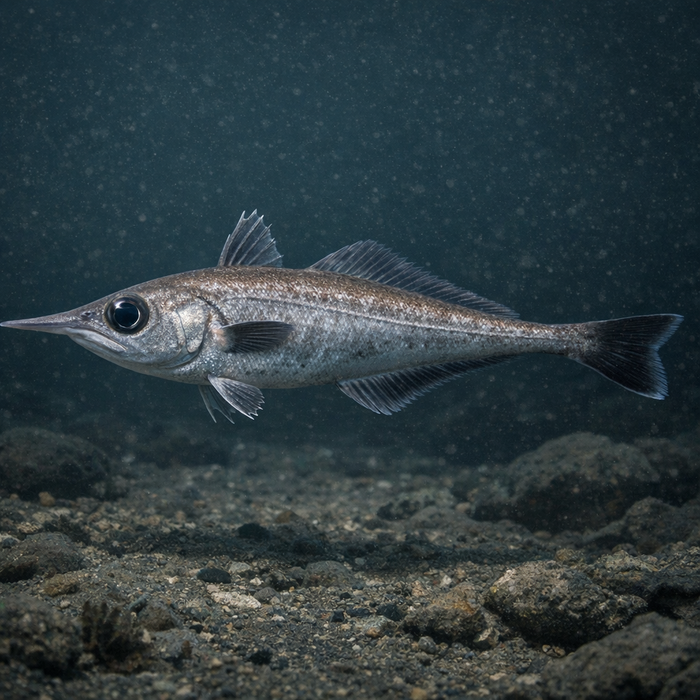
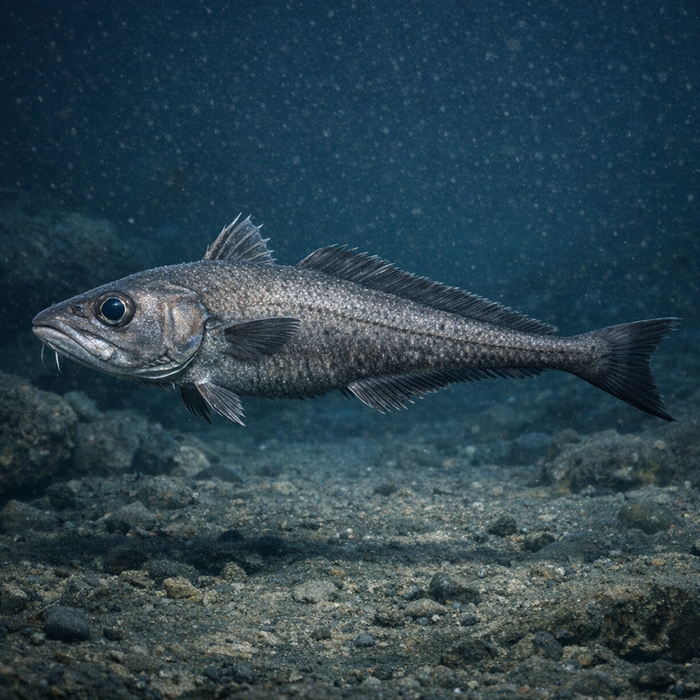
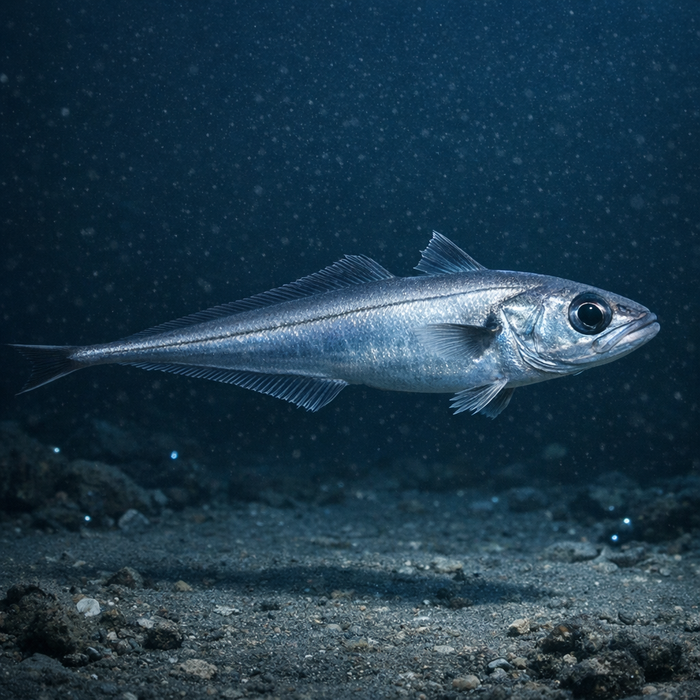
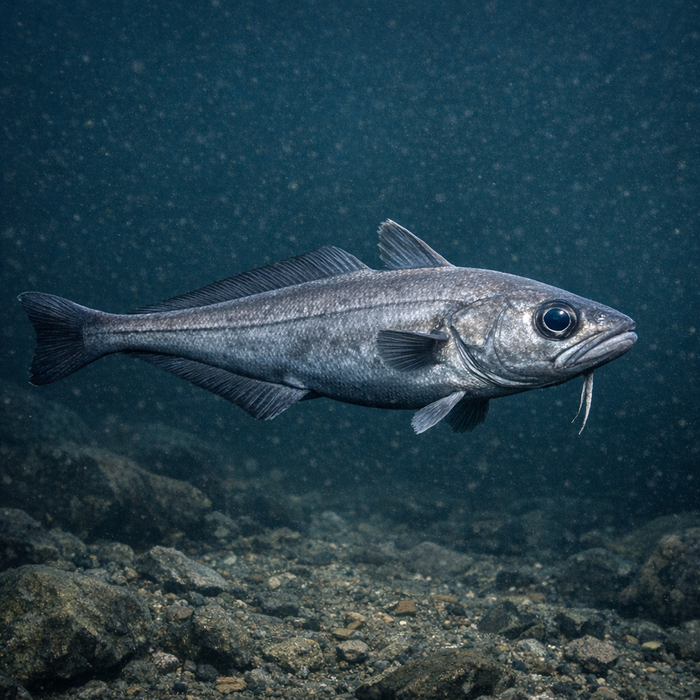
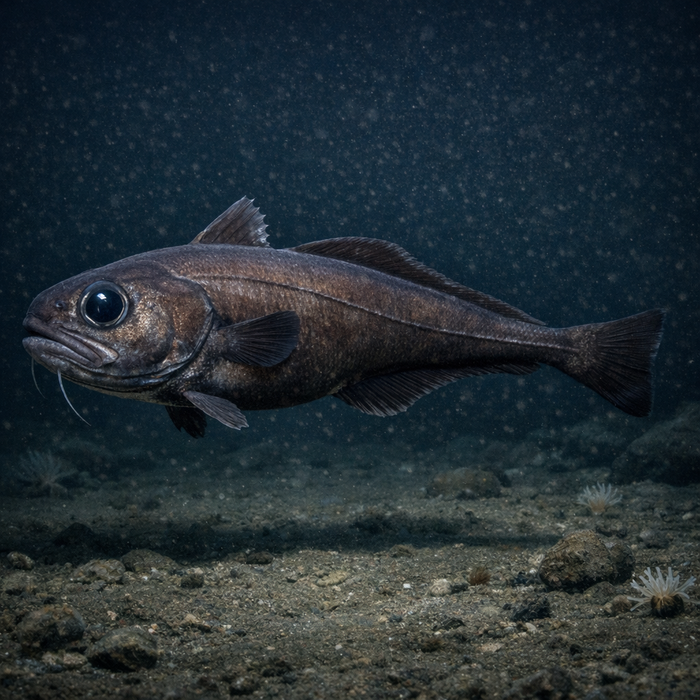
Large-eye Grenadier (Coryphaenoides bulbiceps): A Bold, Memorable Hook LineIntroductionMeet the deep-sea weirdo with headlights. The large-eye grenadier is a rattail built for darkness, pressure, and endless mud flats where most sportfish would panic. It's not flashy like a tuna, but it owns the night shift far below the thermocline. If you're the kind of angler who thinks "off the edge" means 1,000 meters, this fish is your spirit animal.What Makes the Large-eye grenadier Unique?Start with those saucer eyes. The large-eye grenadier isn't just named for looks; those oversized pupils crank in what little light ekes down the water column, giving it a predator's edge in near-blackness. Then there's the body plan: a big head tapering into a threadlike tail, slashing weight while keeping sensory gear up front. Add slow-burn metabolism and you get a fish that can wait out the deep sea's feast-or-famine schedule. You wanted Large-eye grenadier facts? Here's one: it's purpose-built for pressure, darkness, and patience.Habitat & Global RangeThe large-eye grenadier haunts continental slopes, canyon aprons, and abyssal edges, usually where silt and ooze pile thick. Think 400 to well over 1,000 meters, sometimes deeper when currents sweep food downslope. These are not reefs or wrecks plays; this is the grand, open mudscape. The large-eye grenadier habitat is sculpted by slow currents, falling detritus, and passing carcasses. It roams mud plains and the flanks of seamounts, riding subtle bottom flow lines the way inshore fish ride tide seams. Geographic distribution varies by Coryphaenoides species, but this one tracks cool deepwater across broad North Atlantic and adjacent basins and is encountered elsewhere in the global deep-sea trade of currents.Behavior & TemperamentLife is slow at depth. The large-eye grenadier is a patient operator that moves in short glides, then hovers just off bottom. It keys on scent trails and tiny vibrations, pouncing on polychaetes, small cephalopods, crustaceans, and lucky bites of carrion. It isn't a sprinter, and fights tend to be steady grinds punctuated by brief head shakes. Diel patterns likely shift with prey movements: a touch more activity when vertical migrators descend and settle. Schooling? More like loose neighborhoods of fish tracing the same pressure lines and mud chemistry.Ecological ImportanceDeep-sea systems run on recycled calories. The large-eye grenadier helps route energy from the "marine snow" and carcass drop to higher predators like deep sharks and big conger. It's a middleweight link that converts scraps into flesh, stabilizing food webs where new production is limited. Those big eyes and sensitive lateral-line arrays keep the conveyor humming, which matters more than you think. When the surface gets weird, the deep often buffers the blow; that only works if the midlevel players hold.Conservation & Environmental PressuresCommercial deep trawls sometimes sweep the same slopes where large-eye grenadier lurk. Bycatch, slow growth, and late maturity make deepwater fish vulnerable to overharvest. Add climate shifts altering oxygen layers and current patterns and you've got a subtle but real squeeze. Data on Coryphaenoides bulbiceps can be patchy, so watch the broader grenadier trendlines: when effort ramps, populations can sag. Responsible handling and limited take help keep the lights on down there.The FishyAF TakeThe large-eye grenadier is not a hero fish. It's a specialist with a face only a deep-dropper could love, living where sunlight is gossip. But everything about it screams purpose: huge eyes, stealth glide, vacuum snout, and a hunger tuned to the slow drumbeat of the abyss. If you're after a fish that tells a story beyond docks and Instagram, the large-eye grenadier delivers. It's odd, it's authentic, and it forces you to think like the deep: patient, prepared, and a little obsessed. Not many anglers will chase this species, which is exactly why you should consider it. The grind pays off when that shadow appears on the sounder, the rod loads like a cinder block, and a living exclamation mark surfaces from the dark.