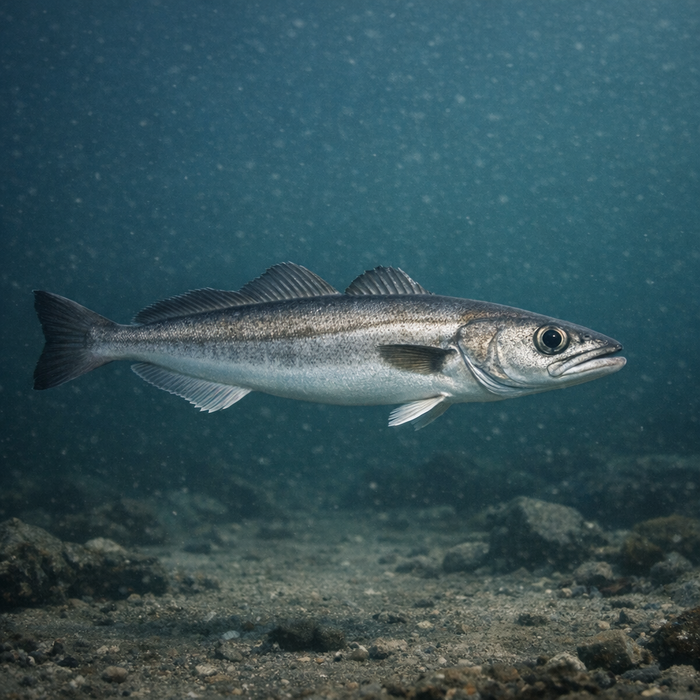
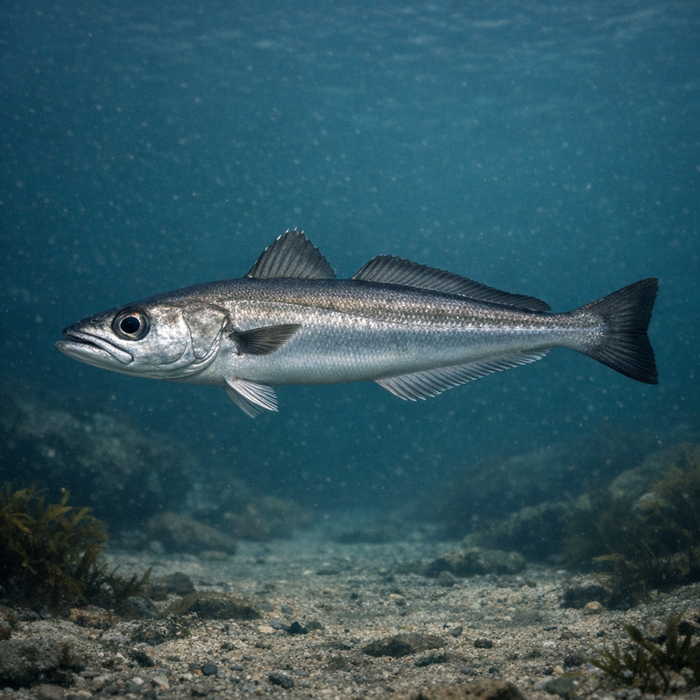
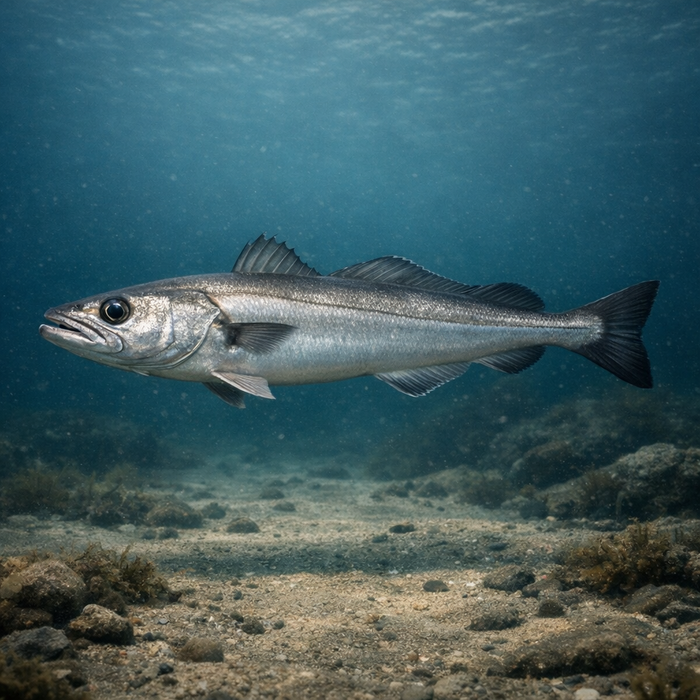
Offshore Silver Hake (Merluccius albidus): A pale missile from the dark edge of the continental slopeIntroductionIf you fish far enough off the edge and watch the sounder sink into black, you've wandered into offshore silver hake territory. This is a slope-dwelling, low-light hunter with a big mouth for its body and a subtle chrome paint job. It's not Instagram famous, but when the deep-drop rigs hit bottom and start thumping, offshore silver hake make themselves known in flurries. Consider this the working-class whiting that graduated to the night shift.What Makes the Offshore silver hake Unique?First, it's a deep-slope specialist. While nearshore "whiting" keep to shallower banks, the offshore silver hake pushes down the mud and sand at real-deal depths where your ears pop. Second, it's built for dim light. Oversized eyes and a long, low profile scream stealth ambush predator, perfect for raiding squid and small fish in dusky water. Third, it schools by size, so once you find the right mark, your box fills with near clones. These traits define the fish more than any flashy color ever could.Habitat & Global RangeThink outer shelf and upper slope, usually on mud or sand that looks boring to humans and perfect to a hake. Canyons, escarpments, and soft-bottom edges are the best clues. The species occurs in the western Atlantic, with reliable encounters off the Northeast and Mid-Atlantic, down into the Southeast and Gulf waters. Depth is the great gatekeeper. If you're asking about offshore silver hake habitat, picture 300 to 1,000 feet, sometimes deeper, and water that rarely sees daylight. They'll rise off bottom during low light, but most bites come when your rig is ticking the mud.Behavior & TemperamentOffshore silver hake are classic dusk-to-dawn opportunists. They cruise tight to the bottom during the day and slide higher at night to pick off squid. The bite often runs in pulses as schools pass, then goes dead, then lights up again. They aren't bulldogs; the fight is sharp but brief, and their soft mouths make steady pressure more important than brute force. When they're in the mood, they'll whack jigs and baits without ceremony. When they're not, micro-adjusting leader length or bait size can flip the switch.Ecological ImportanceThis fish is mid-link muscle. Offshore silver hake convert deep-slope forage into calories for bigger predators, from monkfish to sharks. They help shuttle energy between bottom and midwater as they make nightly forays. Eggs and larvae drift, feeding a small army of plankton-eaters, while adults lean on fast growth and schooling to stay ahead of the jaws waiting above and below. The web works because species like this keep it humming.Conservation & Environmental PressuresCommercial gear touches this species more than most recreational boats ever will. Trawl effort, seafloor disturbance, and bycatch management all shape the trajectory of offshore silver hake. Deep-slope ecosystems also feel the heat of warming water, oxygen changes, and shifting prey fields. Stock structures in hake get messy, and mixing with similar species can confuse assessment. While not a poster child for collapse, they're a reminder that "out of sight" isn't the same as "not impacted."The FishyAF TakeOverlooked and under-hyped, offshore silver hake is the fish you meet when you chase tiles, swords, or deep wreck denizens and your bait doesn't last three minutes. It's a solid, honest biter that rewards a tight system: sharp hooks, glow or plain jigs sweetened with squid, and a rig that actually finds bottom. If you're hunting offshore silver hake facts, here's the short of it: they're predictable when you're on the right contour, they stack by size, and they taste like premium whiting when iced hard. Perfect target? Maybe not. Dependable, tasty, and part of the deep-drop puzzle? Absolutely. The quiet satisfaction is real: dial the edge, feel that rat-a-tat, and swing before they spit. That's offshore silver hake fishing in one clean motion.