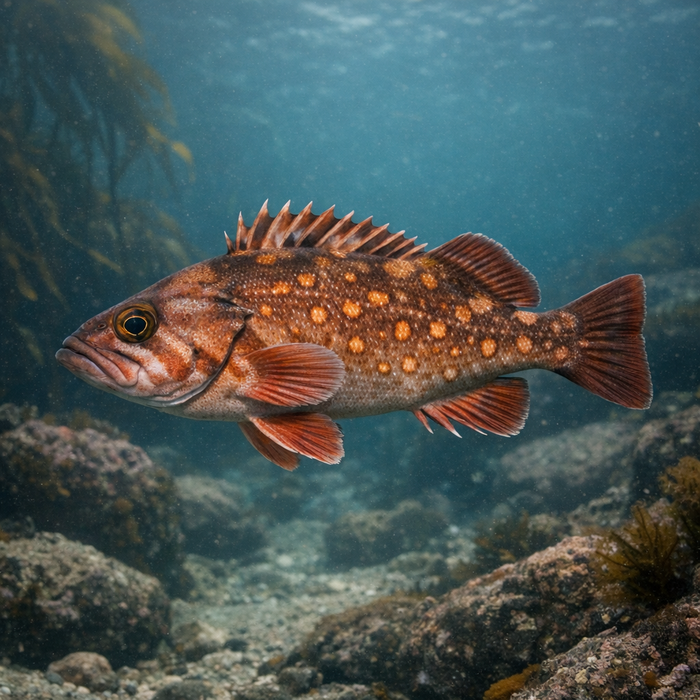
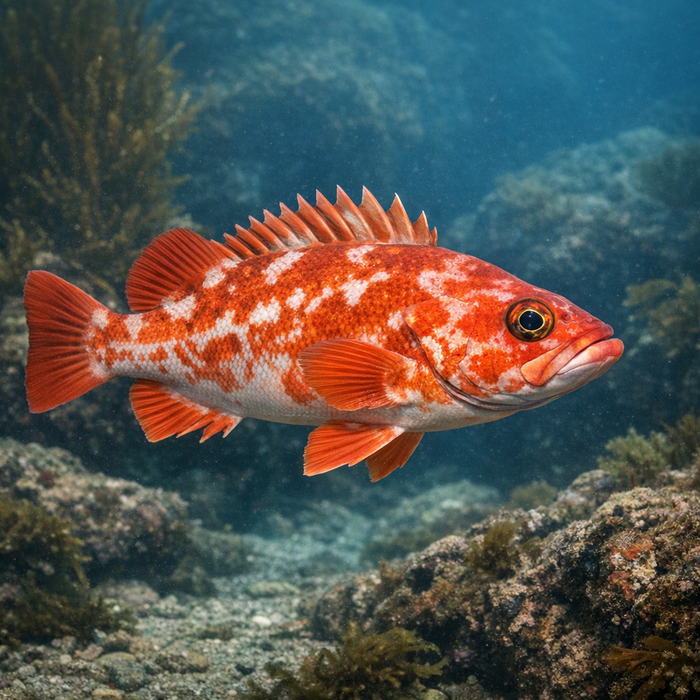
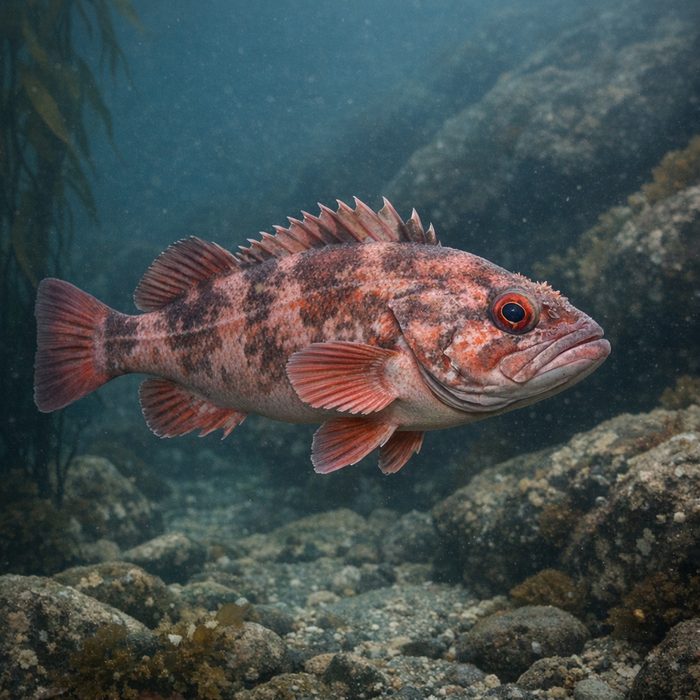
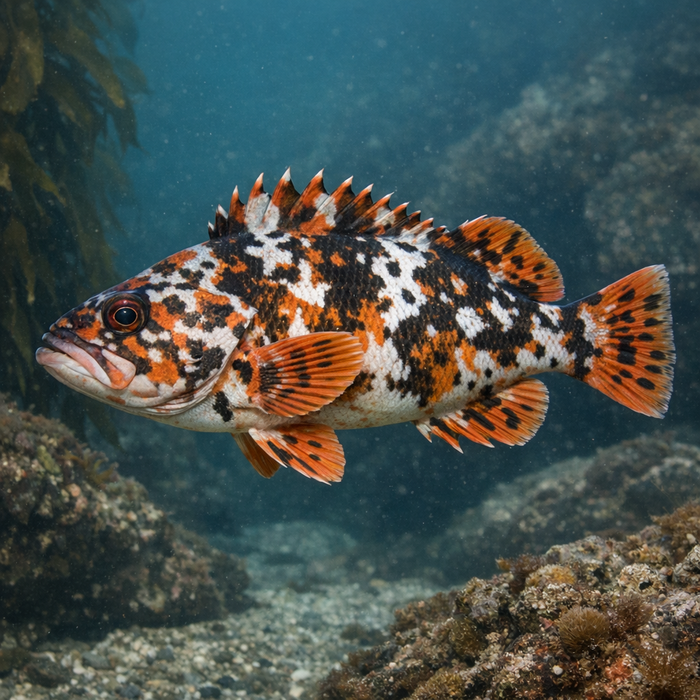
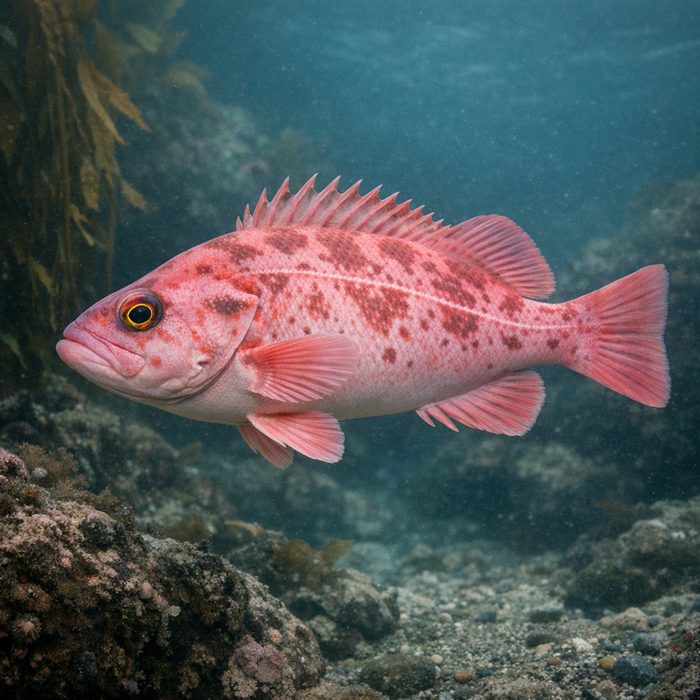
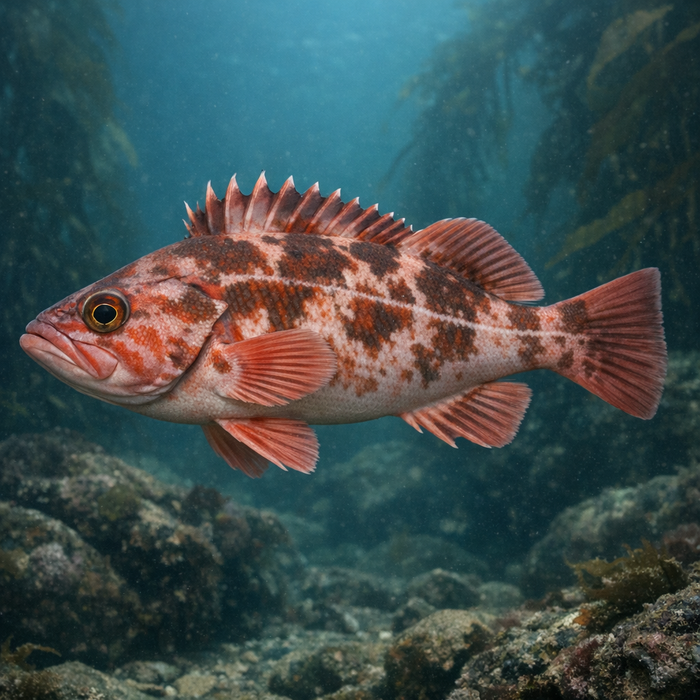
Chilipepper Rockfish (Sebastes goodei): A Bold, Memorable Hook LineIntroductionWhen West Coast party boats start filling sacks, the bright red MVP is usually the chilipepper rockfish. It's the deepwater crowd-pleaser: plentiful, photogenic, and tasty. This is the rockfish that turns a lumpy offshore morning into a grinning, iced-down victory lap.What Makes the Chilipepper rockfish Unique?The chilipepper rockfish bucks the chunky rockfish stereotype with a leaner, more streamlined profile and a subtly forked tail that screams midwater mobility. Add the electric red body that intensifies with depth and you've got instant deck-glam. Unlike many ground-huggers, chilipepper schools hover off the bottom, then pin prey against structure or current seams. That mix of color, shape, and schooling swagger makes them easy to ID and hard to forget. If you're cataloging Chilipepper rockfish facts, start with "viviparous" too: they give birth to live larvae by the hundreds of thousands.Habitat & Global RangeWe're talking Pacific Coast, full stop. The chilipepper rockfish rides the continental shelf and upper slope from Baja California north through much of the U.S. West Coast. Think canyon edges, banks, cowcod corners, and open sand flats with subtle relief. Depth is the headline in any Chilipepper rockfish habitat breakdown: most action happens in deep water, often 200 to 600 feet, with schools stacking above structure or bait. They can be midwater for hours and suddenly tuck closer to bottom when current, light, or forage shifts. Don't expect them tight to the beach; this is a boat fishery.Behavior & TemperamentSchooling is the move. Chilipeppers line out in layered bands, coiling around bait pods or riding pressure edges. They're opportunistic predators that perk up when the tide shuffles krill or anchovies into range. The bite is assertive rather than savage; you'll feel a solid thump, then steady, willing weight. They're not bulldogs like lingcod, but a double-header on a shrimp fly rig puts plenty of bend in the rod. Expect better action at dawn, dusk, or during good current, with occasional all-day chew-fests when bait is thick.Ecological ImportanceChilipepper rockfish are a mid-shelf conduit, turning swarms of small forage into biomass for bigger predators and people. Their long lifespan and late maturity mean they bank reproductive capital over many seasons. That's good when managed well, risky when hammered. The upshot: they glue together food webs in a big, blue neighborhood where energy is expensive and timing is everything.Conservation & Environmental PressuresOnce pushed hard by trawl and hook-and-line fleets, the species rebounded under strict West Coast groundfish management. Season controls, area closures, and better data rebuilt the stock, proving patience and science can actually work. Still, climate-driven shifts in forage and oxygen at depth can shuffle the deck fast. Responsible handling matters too; deepwater fish suffer barotrauma. Use a descending device when releasing.The FishyAF TakeThe chilipepper rockfish is the people's deepwater fish: bright, willing, and legitimately delicious. It's not a unicorn, and that's the point. You go, you drop, you catch, you smile. Bring stout gear, a couple of metal jigs and squid strips, and a cooler with ambition. This is the fish that makes new offshore anglers into lifers, one red flash at a time.