Bank Rockfish (Sebastes rufus): The Rugged Sentinel of Rocky Reefs
The Bank Rockfish, Sebastes rufus, is a striking marine species that commands attention with its bold coloration and tenacious presence along the Pacific coast. Known for its robust build and distinctive mottled pattern, this rockfish is a staple of rocky reef ecosystems from California to Alaska. Bank Rockfish facts reveal a creature perfectly adapted to life in complex underwater landscapes, where it plays a critical role in maintaining ecological balance. For anglers and marine enthusiasts alike, the Bank Rockfish offers a fascinating glimpse into the resilience and diversity of coastal marine life.
What Makes the Bank Rockfish Unique?
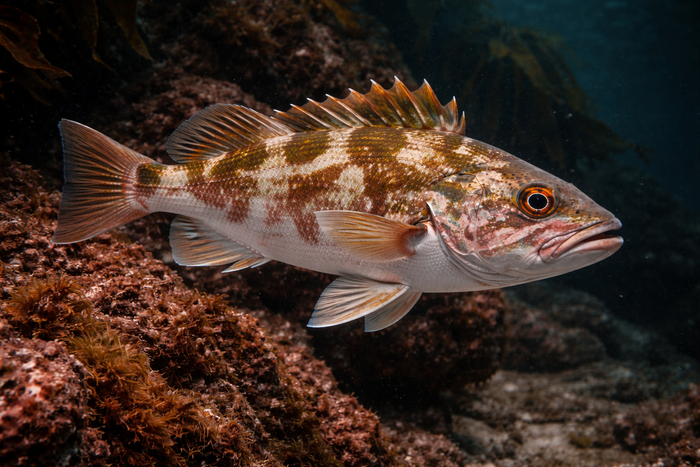
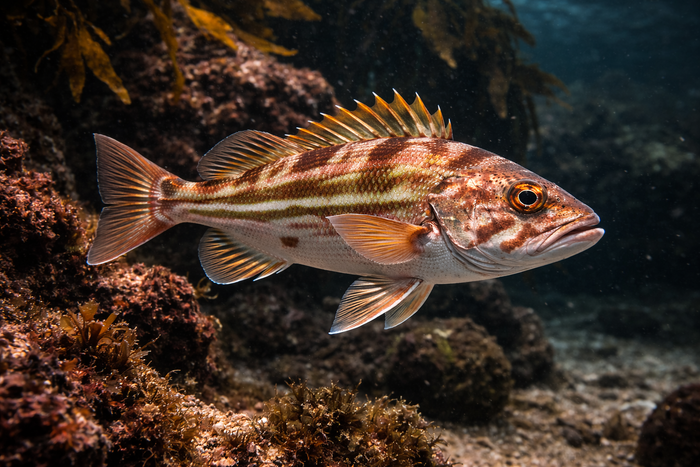
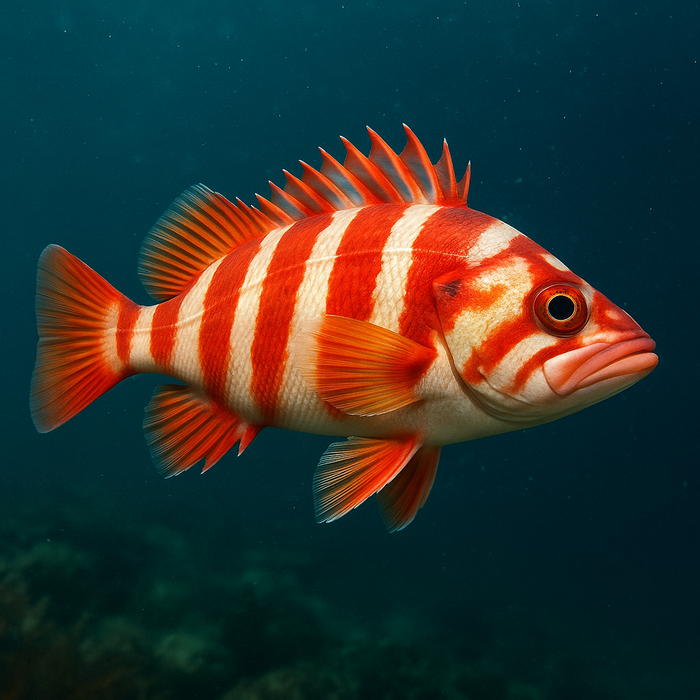
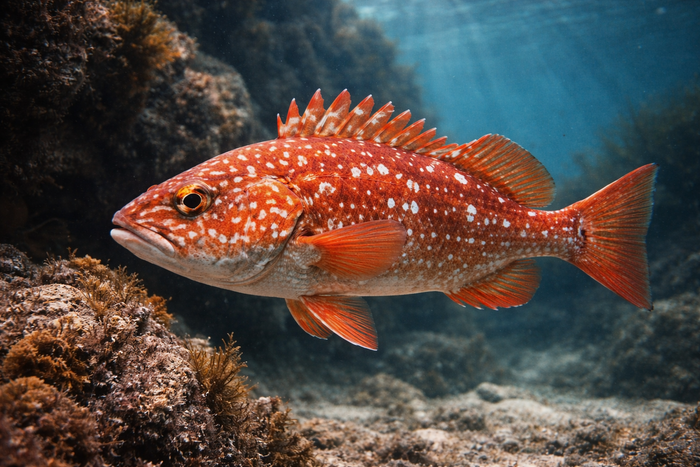
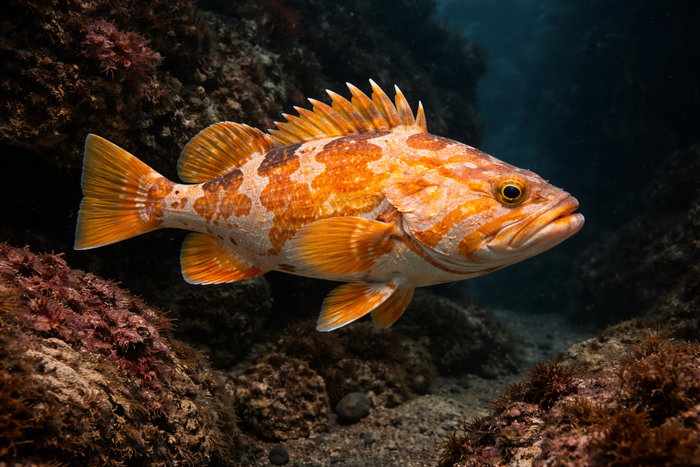
Bank Rockfish stand out in the crowded rockfish family thanks to their vivid coloration and spiny profile. Their bodies are covered in a patchwork of dark reds, browns, and oranges, often with mottled patterns that provide excellent camouflage against rocky substrates. Unlike some of their more docile relatives, Bank Rockfish have a bold, somewhat aggressive demeanor, which makes them both challenging and rewarding to catch.
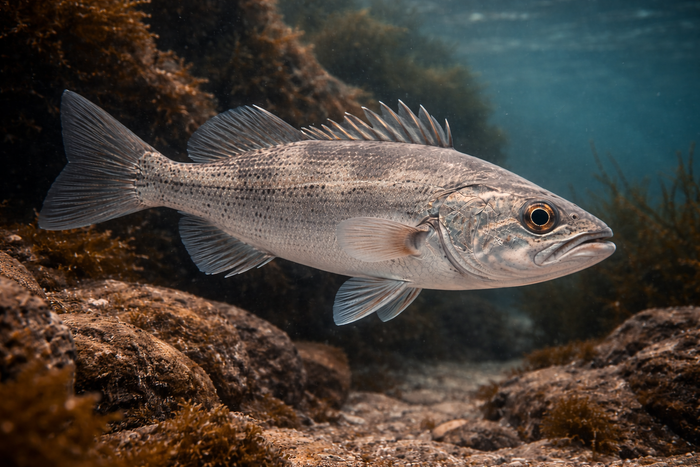
One of the most distinctive features is their large, spiny dorsal fin that runs along the back, giving them a rugged silhouette. This fin is not just for show; it serves as a defense mechanism against predators. Their robust, stocky bodies and powerful jaws enable them to prey on a variety of smaller fish and invertebrates, showcasing their role as effective mid-level predators.
Bank Rockfish facts also highlight their longevity. These fish can live for several decades, making them slow to mature but stable members of their ecosystems. This longevity means they accumulate a wealth of experience navigating the complex reef structures, which in turn influences their behavior and survival strategies.
Habitat & Global Range
The Bank Rockfish is a Pacific native, with a range stretching from the cold waters of the Gulf of Alaska down to the temperate zones off Southern California. Their preferred Bank Rockfish habitat is rocky reefs and underwater ledges, typically found between 30 and 200 meters deep. These environments provide ample hiding spots and hunting grounds, essential for their survival.
Unlike pelagic fish that roam open waters, Bank Rockfish are site-attached, meaning they tend to stick close to their chosen rocky outcrop or reef. This territorial behavior makes them predictable in terms of location but also vulnerable to localized environmental changes. The complex topography of their habitat offers protection from predators and strong currents, while also supporting a rich community of prey species.
Their distribution is patchy, often concentrated around underwater structures like kelp forests, boulder fields, and submerged pinnacles. These habitats not only support the Bank Rockfish but also a diverse array of marine life, making these areas hotspots of biodiversity.
Behavior & Temperament
Bank Rockfish are known for their cautious yet curious nature. They often hover near the reef, using their excellent camouflage to blend into the background while scanning for prey. When hunting, they rely on ambush tactics, striking quickly at unsuspecting smaller fish or crustaceans.
Their temperament can be described as bold but not reckless. They are territorial and will defend their space against intruders, including other rockfish species. This territoriality is part of what makes them a challenge for anglers, as they don’t easily abandon their spots.
Despite their spiny defenses, Bank Rockfish are vulnerable to larger predators such as lingcod and marine mammals. Their slow growth and long lifespan mean they have evolved strategies to avoid predation, including nocturnal activity patterns and the use of complex reef structures for cover.
Ecological Importance
Bank Rockfish play a pivotal role in the marine food web. As mid-level predators, they help regulate populations of smaller fish and invertebrates, maintaining a balance that supports reef health. Their predation controls species that might otherwise overgraze or disrupt the reef ecosystem.
Furthermore, Bank Rockfish serve as prey for larger predators, linking multiple trophic levels. Their presence indicates a healthy reef system, as they require stable habitats with abundant prey and shelter.
The species also contributes to nutrient cycling within their habitat. By feeding on various organisms and excreting waste, they help redistribute nutrients, supporting the productivity of the reef environment.
Conservation & Environmental Pressures
Despite their resilience, Bank Rockfish face significant conservation challenges. Overfishing has historically impacted their populations, especially given their slow growth and late maturity. These life history traits make recovery from depletion a slow process.
Habitat degradation is another concern. Coastal development, pollution, and climate change threaten the integrity of the rocky reef habitats that Bank Rockfish depend on. Ocean acidification and warming waters can alter prey availability and habitat structure, putting additional stress on these fish.
Fisheries management has implemented measures such as catch limits and protected areas to help sustain Bank Rockfish populations. However, ongoing monitoring and adaptive management are crucial to ensure these fish continue to thrive.
The FishyAF Take
The Bank Rockfish is a prime example of nature’s rugged craftsmanship—a fish built for survival in some of the Pacific’s most challenging underwater terrains. Its bold colors and spiny armor make it a standout species, but it’s the slow, steady life strategy that truly defines it. For anglers, it’s a worthy quarry; for ecologists, a vital component of reef ecosystems.
Understanding Bank Rockfish facts and habitat nuances is key to appreciating their role in marine biodiversity and the challenges they face. Protecting these fish means protecting the complex, vibrant reefs they call home. In a world where marine habitats are under constant threat, the Bank Rockfish reminds us that resilience is a slow game—one that demands respect and careful stewardship.