Canary Rockfish (Sebastes pinniger): The Golden Flash of the Pacific Depths
The Canary Rockfish is a standout species in the Pacific Ocean, known for its bright yellow-orange coloration and robust presence along the West Coast. This fish isn’t just a pretty face; it’s a vital player in marine ecosystems and a favorite among anglers and researchers alike. Understanding the Canary Rockfish means diving into a world of complex behaviors, unique adaptations, and ongoing conservation challenges.
What Makes the Canary Rockfish Unique?
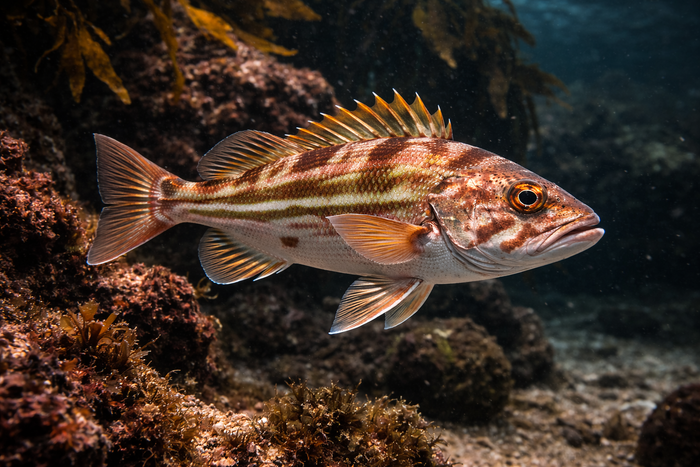
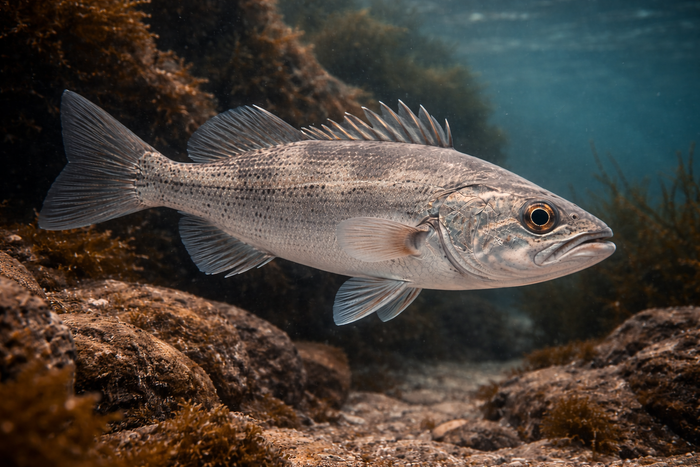
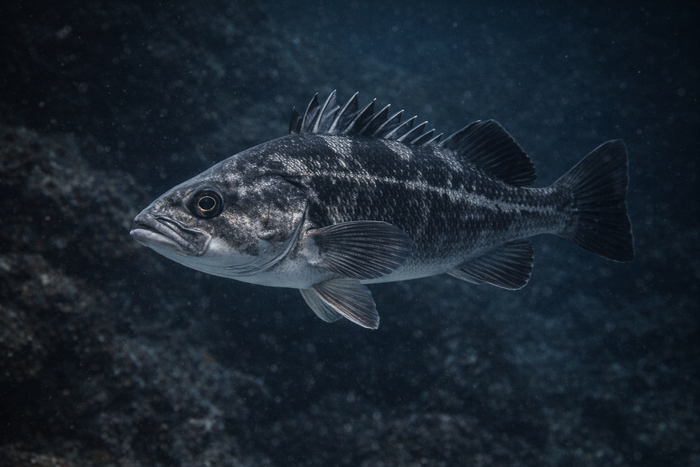
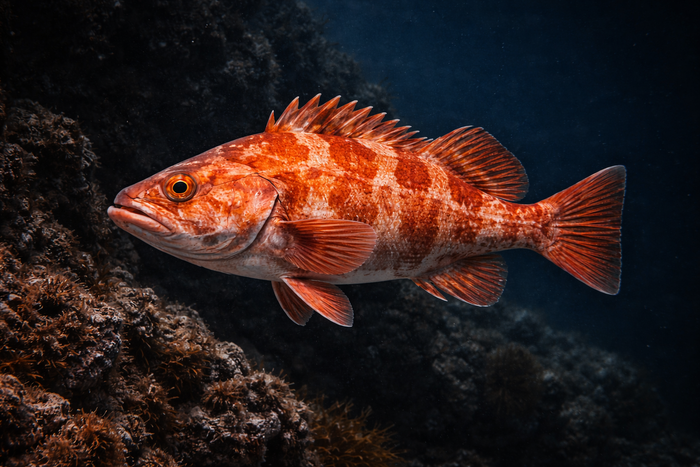
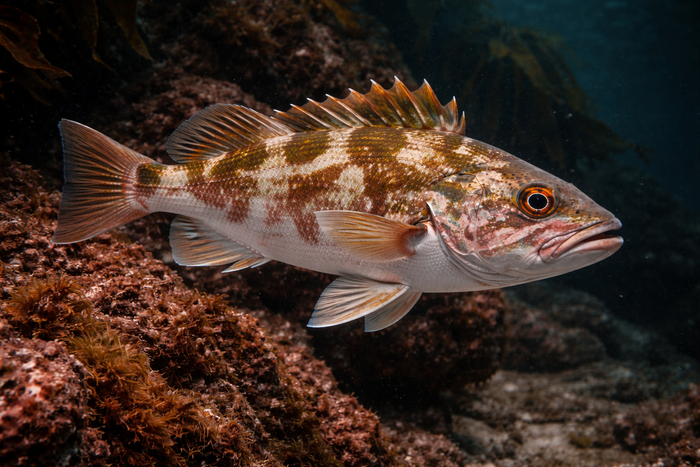
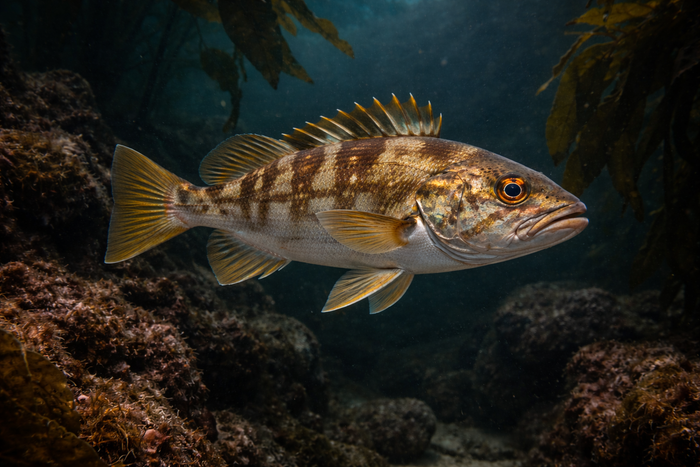
The Canary Rockfish earns its name from its vivid canary-yellow hue, which sets it apart from the more muted rockfish species. Its body is elongated with a spiny dorsal fin that gives it a slightly aggressive silhouette. Unlike many fish that rely on camouflage, the Canary Rockfish flaunts its color boldly, a trait that hints at its confidence in its rocky, kelp-filled environment.
One of the most fascinating Canary Rockfish facts is its longevity. These fish can live for decades, with some individuals reaching 75 years or more. This long lifespan is paired with a slow growth rate and late sexual maturity, making their populations particularly vulnerable to overfishing. They are ovoviviparous, meaning females give birth to live young rather than laying eggs, a reproductive strategy that adds another layer of complexity to their life cycle.
Habitat & Global Range
The Canary Rockfish habitat is primarily the northeastern Pacific Ocean, stretching from the Gulf of Alaska down to central California. They prefer rocky reefs and complex underwater structures where they can find shelter and ambush prey. Depth-wise, these fish are versatile but are most commonly found between 50 and 200 meters, though they can venture deeper.
Their affinity for structured habitats like rocky outcrops and kelp forests makes them a crucial component of these ecosystems. The Canary Rockfish is a bottom-dweller but not a strict sedentary species; it moves within its home range to exploit food resources and avoid predators. This range is relatively localized compared to pelagic fish, which means habitat degradation can have an outsized impact on local populations.
Behavior & Temperament
Canary Rockfish are ambush predators with a diet consisting mainly of smaller fish, crustaceans, and planktonic organisms. Their hunting style is patient and calculated, relying on camouflage and the element of surprise. Despite their bright coloration, they blend surprisingly well into the yellowish hues of sponges and corals in their environment.
These fish are generally solitary or found in small groups rather than large schools. Their temperament is cautious but not shy. When threatened, they use their spiny fins defensively and retreat into crevices. They are not aggressive toward divers or humans but will defend their territory against intruders of their own species.
Ecological Importance
The Canary Rockfish plays a pivotal role in maintaining the balance of rocky reef ecosystems. As mid-level predators, they regulate populations of smaller fish and invertebrates, preventing any one species from dominating the habitat. This balance supports biodiversity and the overall health of the marine environment.
Their presence also benefits commercial and recreational fisheries. Canary Rockfish are a sought-after catch due to their firm texture and mild flavor, making them a staple in seafood markets. However, their slow growth and reproductive rates mean their populations need careful management to avoid depletion.
Conservation & Environmental Pressures
Canary Rockfish populations have faced significant pressures from overfishing, habitat destruction, and environmental changes. Their slow reproductive cycle means recovery from population declines is a slow process. Overfishing in the late 20th century severely reduced numbers, prompting regulatory measures such as catch limits and protected areas.
Habitat degradation from bottom trawling and coastal development further threatens their environment. Climate change introduces additional stressors, including ocean acidification and temperature shifts, which can affect prey availability and reproductive success.
Conservation efforts focus on sustainable fishing practices, habitat protection, and ongoing population monitoring. Marine protected areas have shown promise in allowing local populations to rebound, but vigilance is necessary to ensure long-term stability.
The FishyAF Take
The Canary Rockfish is a prime example of how a species can be both a vibrant icon of the Pacific and a cautionary tale about marine resource management. Its striking appearance and ecological role make it a species worth knowing beyond just the fishing community. Canary Rockfish facts reveal a creature finely tuned to its environment but vulnerable to human impact.
If you’re serious about understanding coastal ecosystems or want to appreciate the complexity behind a seemingly simple fish, the Canary Rockfish is a perfect subject. It demands respect—not just for its beauty but for the delicate balance it represents in the underwater world. Keep an eye on conservation efforts and support sustainable seafood choices to ensure this golden flash continues to light up the rocky reefs for generations to come.