Grass Rockfish (Sebastes rastrelliger): The Underwater Grassland Warrior You Didn’t Know You Needed
Meet the Grass Rockfish, Sebastes rastrelliger, a species that doesn’t just blend into the underwater scenery—it owns it. This rockfish is a standout in the crowded world of Pacific coastal fish, boasting a striking appearance and a lifestyle that’s as intriguing as it is vital to marine ecosystems. If you’re diving into Grass Rockfish facts, get ready for a deep dive into a fish that’s as bold as its name suggests.
What Makes the Grass Rockfish Unique?
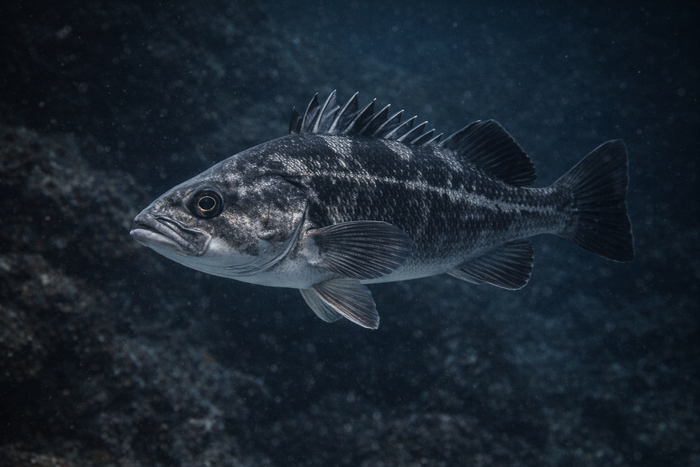
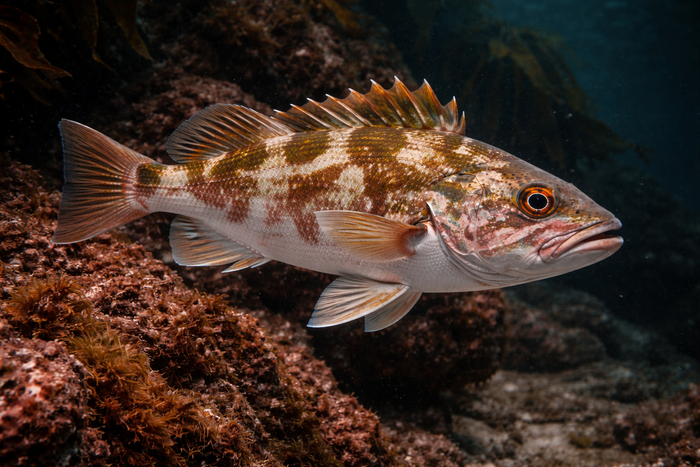
The Grass Rockfish isn’t your average bottom dweller. Its name comes from its affinity for grassy, kelp-rich environments where it uses its camouflaged, mottled green and brown body to vanish among the blades. This isn’t just for show; it’s a survival strategy that allows it to ambush prey and avoid predators with equal finesse.
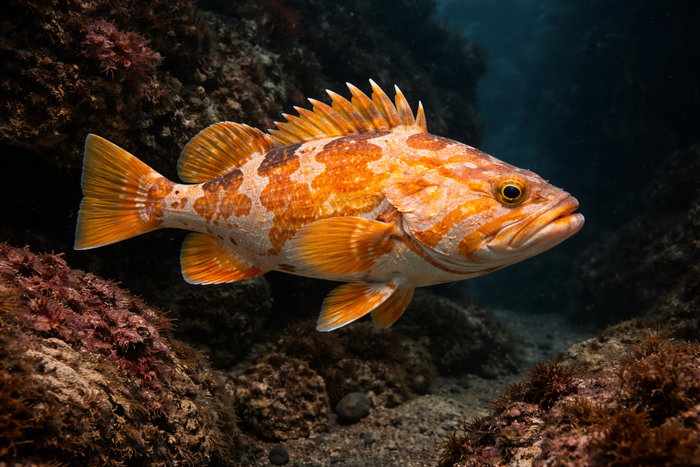
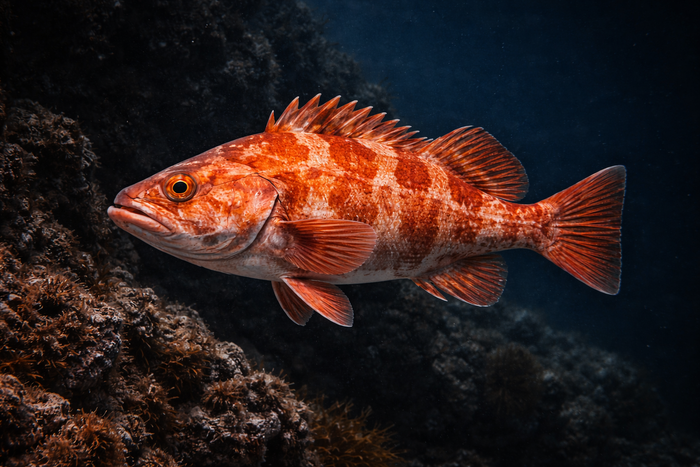
Unlike many rockfish species that favor rocky reefs, the Grass Rockfish prefers the lush underwater meadows. Its body shape is slightly more elongated and streamlined, optimized for weaving through dense aquatic vegetation. The spiny dorsal fin is a signature feature, offering protection and a menacing silhouette that warns off would-be attackers.
Grass Rockfish also have a relatively long lifespan, with some individuals living over 20 years. This longevity is paired with slow growth and late maturity, traits that make their populations vulnerable to overfishing but also fascinating from a biological standpoint.
Habitat & Global Range
Grass Rockfish habitat is primarily the temperate coastal waters of the northeastern Pacific Ocean. They are most commonly found from central California up through the Gulf of Alaska. Their preferred zones are shallow to moderately deep waters, typically between 10 and 90 meters, where kelp forests and seagrass beds flourish.
These fish are masters of the underwater grasslands, thriving in areas where sunlight penetrates enough to support dense plant life. This environment provides both food and shelter, making it an ideal hunting ground. The Grass Rockfish’s ability to blend into these habitats is a textbook example of evolutionary adaptation.
Behavior & Temperament
Grass Rockfish are ambush predators with a calm but calculated demeanor. They spend much of their time motionless, waiting for the perfect moment to strike. Their diet consists mainly of small fish, crustaceans, and other invertebrates that inhabit the same grassy environments.
Despite their somewhat sedentary hunting style, Grass Rockfish can be surprisingly aggressive when defending territory or during spawning season. Males and females engage in complex mating behaviors, often involving elaborate displays and vocalizations that are rare among rockfish.
These fish are generally solitary but can be found in loose aggregations, especially around prime feeding grounds. Their temperament is not aggressive toward divers or humans, but they are not shy about using their venomous spines if threatened.
Ecological Importance
Grass Rockfish play a critical role in maintaining the balance of coastal marine ecosystems. As mid-level predators, they regulate populations of smaller fish and invertebrates, preventing any one species from dominating the habitat. This balance supports the health of kelp forests, which are among the most productive and diverse ecosystems on the planet.
Their presence also benefits larger predators, including seals, sea lions, and larger fish species that rely on Grass Rockfish as a food source. The species acts as a vital link in the food web, connecting the benthic (bottom) community with higher trophic levels.
Furthermore, Grass Rockfish contribute to the structural complexity of their habitat. Their spawning activities and movements help redistribute nutrients and support the growth of seagrass beds, indirectly promoting biodiversity.
Conservation & Environmental Pressures
Grass Rockfish populations face several challenges, primarily from overfishing and habitat degradation. Their slow growth and late reproductive maturity mean that recovery from population declines can be painfully slow. Commercial and recreational fishing pressures have historically targeted rockfish species, including the Grass Rockfish, due to their desirable taste and firm texture.
Habitat loss is another significant threat. Coastal development, pollution, and climate change are altering kelp forest ecosystems, reducing the available habitat for Grass Rockfish. Ocean warming and acidification also impact the health of seagrass beds, which are crucial for their survival.
Conservation efforts have ramped up in recent years, with fishing regulations, marine protected areas, and habitat restoration projects aimed at preserving Grass Rockfish populations and their environments. Monitoring and research continue to be essential in adapting these strategies to ensure the species does not slip toward endangerment.
The FishyAF Take
The Grass Rockfish is a prime example of nature’s ability to craft a specialist species perfectly suited to its niche. It’s not flashy like some tropical reef fish, but its subtle beauty and ecological role make it a heavyweight in the Pacific coastal ecosystem. Understanding Grass Rockfish facts and habitat needs is critical for anyone interested in marine conservation or fishing sustainably.
If you’re out on the water or diving in kelp forests, keep an eye out for this camouflaged predator. It’s a reminder that sometimes the most important players aren’t the loudest or the flashiest—they’re the ones quietly holding the ecosystem together. Grass Rockfish demand respect, both for their resilience and for the delicate balance they help maintain beneath the waves.