Starry Rockfish (Sebastes constellatus): The Underwater Jewel with a Stellar Personality
The Starry Rockfish isn’t just another face in the crowded reef crowd. This species stands out with its striking pattern and resilient nature. If you’re diving into the world of Pacific rockfish, the Starry Rockfish demands your attention. It’s a master of camouflage and survival, blending beauty with brawn beneath the waves. Understanding this fish means appreciating a key player in coastal ecosystems and the challenges it faces in a changing ocean.
What Makes the Starry Rockfish Unique?
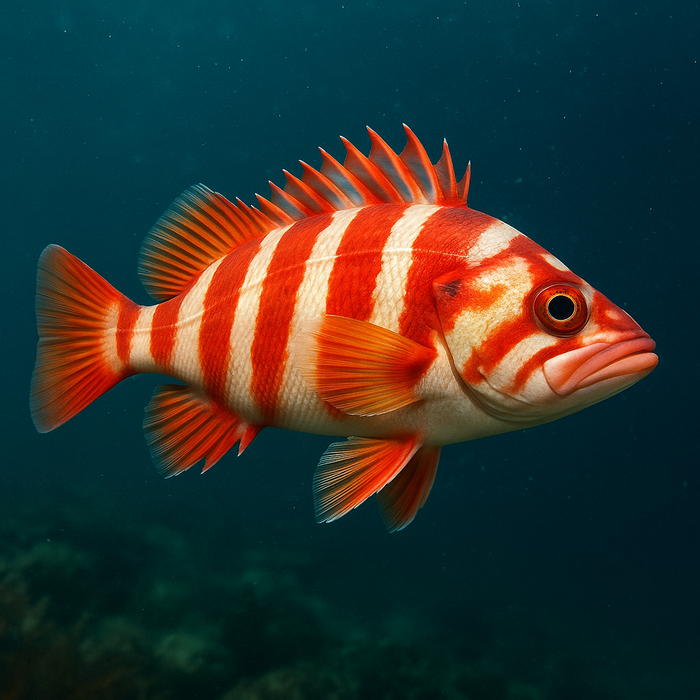
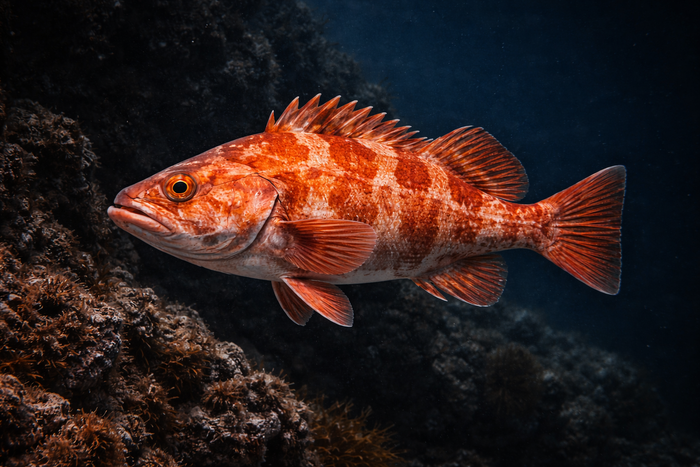
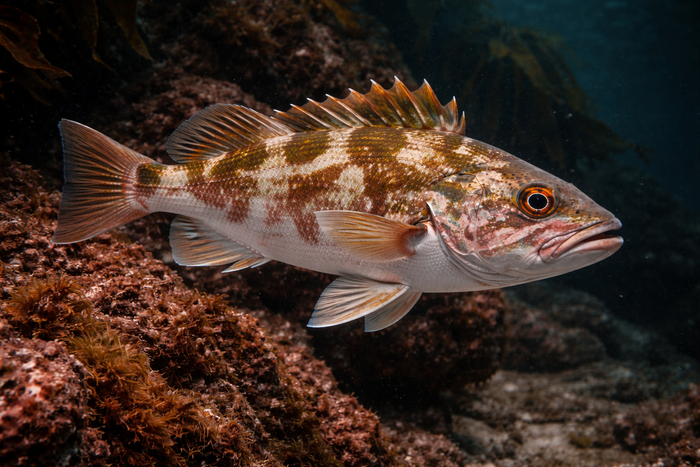
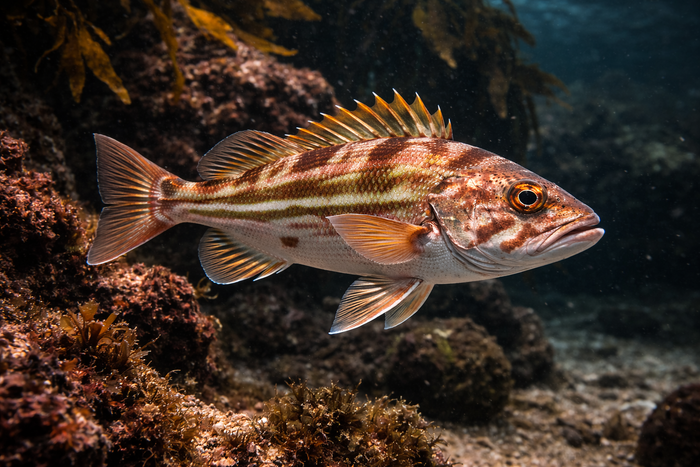
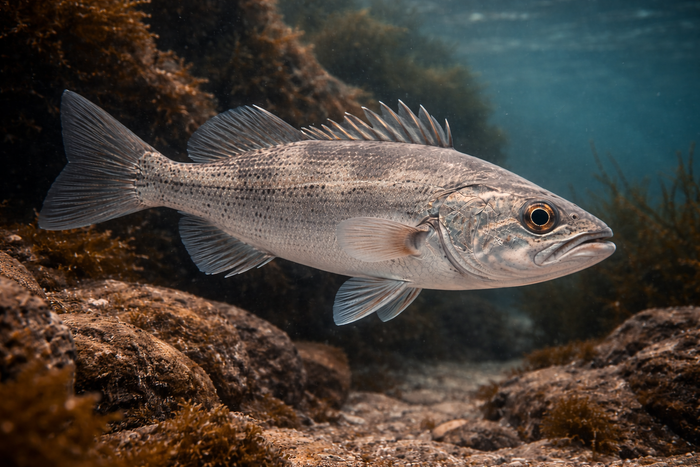
Sebastes constellatus earns its name from the star-like white spots scattered across its dark body, giving it a celestial appearance. This pattern isn’t just for show—it’s a clever adaptation for blending into rocky reefs and kelp forests. Unlike many rockfish that rely on drab colors, the Starry Rockfish’s distinctive markings make it memorable and a favorite among underwater photographers.
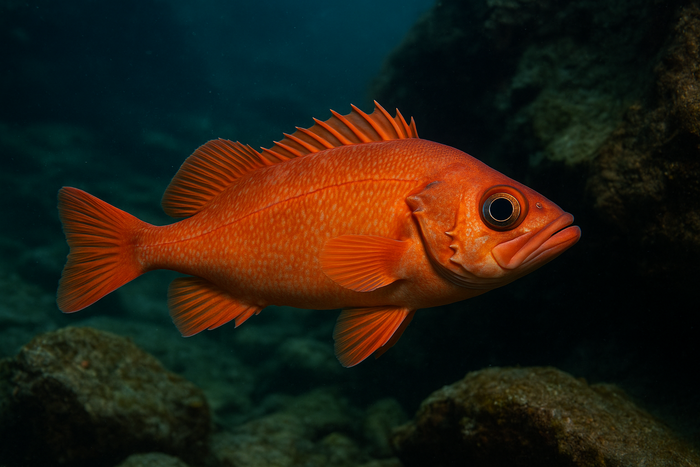
Beyond looks, this species boasts robust spines and a stout body, built to withstand the rugged terrain it calls home. Its slow growth and longevity are classic rockfish traits, but the Starry Rockfish’s ability to thrive in complex habitats sets it apart. It’s a bottom-dweller that can navigate tight crevices and rocky outcrops with ease, using its body shape and coloration to avoid predators and ambush prey.
Habitat & Global Range
Starry Rockfish are native to the northeastern Pacific Ocean, ranging from central California up to southern Oregon. Their preferred Starry Rockfish habitat is rocky reefs and kelp beds between 20 and 150 meters deep. These environments provide shelter and abundant food sources, making them ideal hunting grounds.
Unlike some rockfish species that roam open waters, the Starry Rockfish sticks close to structure. It’s a territorial species, often found perched on ledges or nestled among boulders. This preference for complex habitats means that healthy reef systems are critical for their survival. The Starry Rockfish’s distribution is patchy, closely tied to the availability of suitable rocky substrates and kelp coverage.
Behavior & Temperament
Starry Rockfish are ambush predators with a calm but strategic approach to hunting. They rely on stealth and patience, waiting for unsuspecting prey like small fish, crustaceans, and plankton to drift by. Their slow, deliberate movements conserve energy and reduce detection risk.
Socially, they tend to be solitary or found in small groups. They’re not aggressive toward divers or other fish unless provoked. Their temperament is more defensive than confrontational, using their spines and camouflage to deter threats rather than direct combat.
Reproduction in Starry Rockfish is viviparous, meaning females give birth to live young rather than laying eggs. This reproductive strategy enhances juvenile survival but also contributes to their slow population growth, making them vulnerable to overfishing.
Ecological Importance
Starry Rockfish play a vital role in their ecosystem as mid-level predators. By controlling populations of smaller fish and invertebrates, they help maintain a balanced food web. Their presence indicates healthy reef systems, as they require intact habitats to thrive.
They also serve as prey for larger predators, including marine mammals and bigger fish species. This dual role as predator and prey positions the Starry Rockfish as a crucial link in coastal marine food chains.
Their reliance on kelp forests ties their fate to the health of these underwater forests, which are among the most productive and diverse ecosystems on the planet. Declines in kelp due to warming waters or pollution can ripple through the food web, impacting Starry Rockfish populations.
Conservation & Environmental Pressures
Despite their resilience, Starry Rockfish face significant environmental pressures. Overfishing has historically impacted many rockfish species, and while the Starry Rockfish is not the most heavily targeted, bycatch and habitat degradation pose ongoing threats.
Kelp forest decline from climate change, pollution, and coastal development reduces available habitat. This loss not only affects shelter but also the prey species Starry Rockfish depend on. Ocean acidification and warming waters further stress these ecosystems, potentially altering reproductive success and juvenile survival rates.
Conservation efforts focus on habitat protection, fishing regulations, and monitoring populations. Marine protected areas that encompass rocky reefs and kelp beds offer refuge, allowing populations to recover and maintain ecological balance.
The FishyAF Take
The Starry Rockfish is a standout species that embodies the complexity and fragility of coastal marine ecosystems. Its unique starry pattern and habitat preferences make it a fascinating subject for anglers, divers, and conservationists alike. Understanding Starry Rockfish facts reveals a fish finely tuned to its environment but vulnerable to human impacts.
Protecting Starry Rockfish habitat means safeguarding entire underwater communities, from kelp forests to rocky reefs. This species reminds us that marine conservation isn’t just about individual fish but the intricate web of life they support. Keep an eye out for this stellar fish on your next Pacific dive or fishing trip—it’s a living testament to the ocean’s hidden wonders and the urgent need to preserve them.