Acadian Redfish (Sebastes fasciatus): The Fiery Rockfish That Owns the North Atlantic Depths
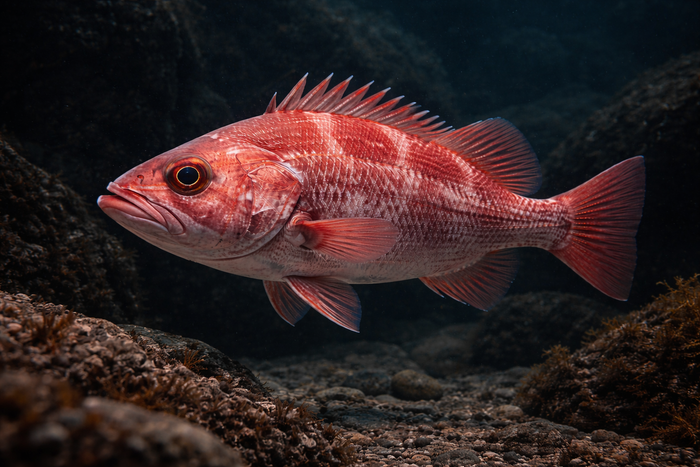
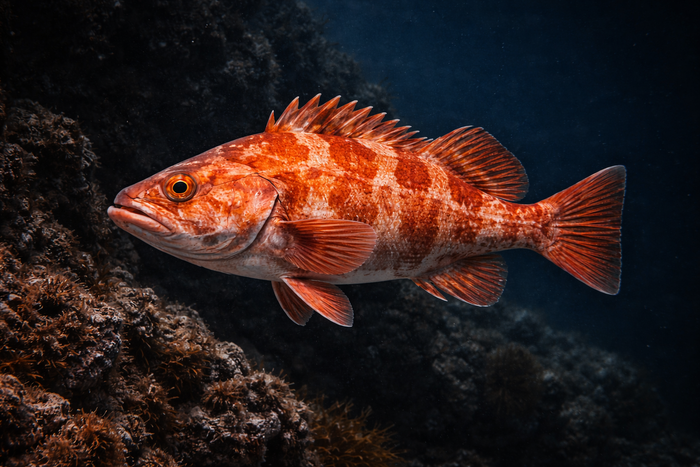
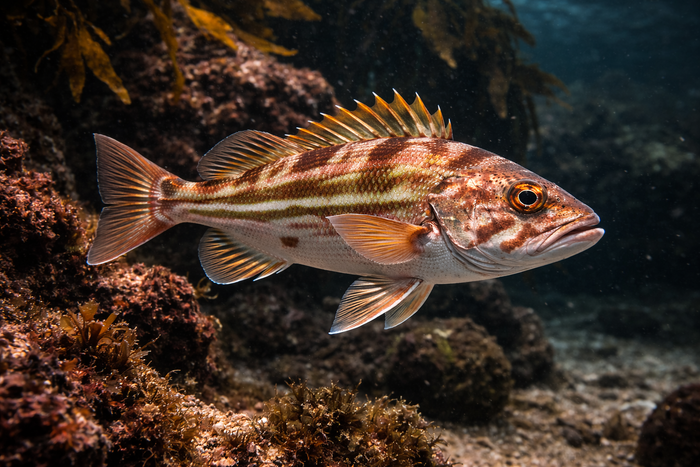
The Acadian Redfish is not your average bottom dweller. Sporting a fiery red-orange hue and a robust, spiny body, this species commands attention both in the water and on the line. Known scientifically as Sebastes fasciatus, it’s a staple of North Atlantic fisheries and a key player in cold-water ecosystems. If you’re diving into Acadian Redfish facts, prepare to meet a fish that’s as tough as it is intriguing.
What Makes the Acadian Redfish Unique?
First off, the Acadian Redfish is a slow-growing, long-lived species with a lifespan that can stretch beyond 30 years. That longevity is paired with a late maturity, meaning these fish don’t rush to reproduce. They’re viviparous, giving birth to live young rather than laying eggs—a rarity among many fish species. This reproductive strategy ensures higher survival rates for offspring but also makes population recovery slower if numbers dip.
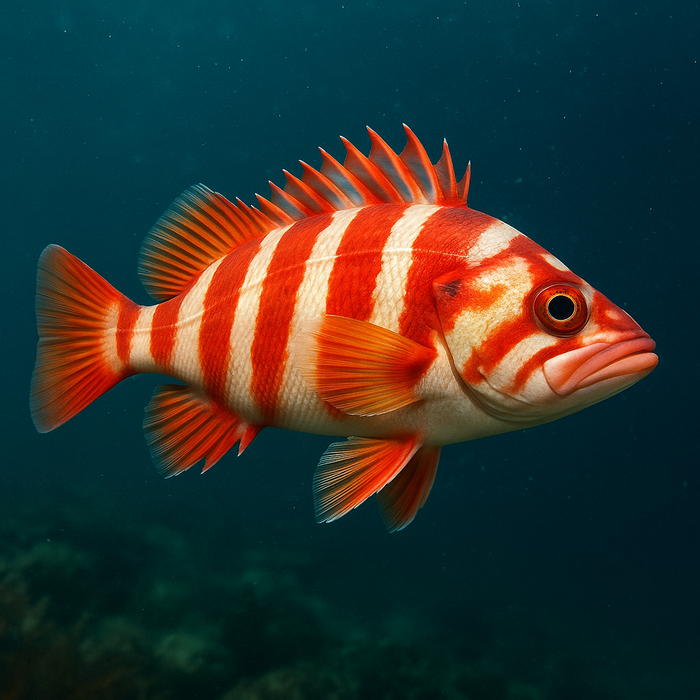
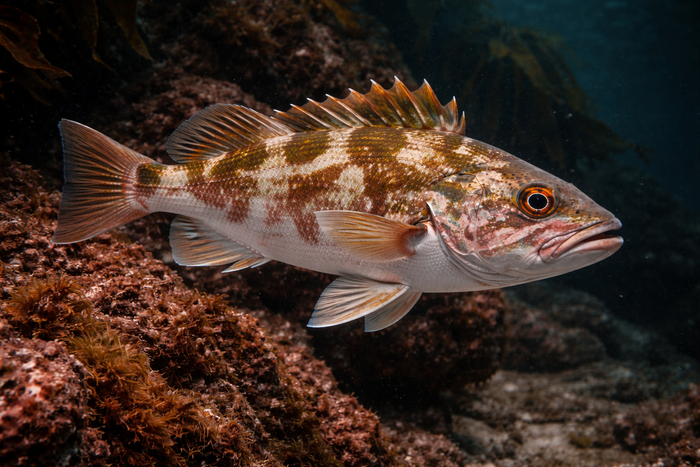
Their coloration isn’t just for show. The deep red-orange body with darker vertical bands provides camouflage against rocky, kelp-dense seafloors. Their spiny dorsal fins and robust body armor make them a tough catch for predators and anglers alike. Plus, their slow metabolism and cold-water adaptation mean they thrive in environments that would leave many fish gasping.
Habitat & Global Range
Acadian Redfish habitat is primarily the cold, deep waters of the North Atlantic. They’re found from the Gulf of St. Lawrence down to the mid-Atlantic coast of the United States, with a strong presence around the Canadian Maritimes and the northeastern U.S. continental shelf. These fish prefer depths ranging from 100 to 600 meters, often hugging rocky bottoms, ledges, and underwater structures where they can hide and hunt.
Unlike pelagic species that roam open waters, Acadian Redfish are demersal, sticking close to the seafloor. Their habitat overlaps with complex benthic environments, including coral and sponge gardens, which provide both shelter and hunting grounds. This specific habitat preference makes them vulnerable to bottom trawling and habitat degradation.
Behavior & Temperament
Acadian Redfish are slow and steady predators. Their diet consists mainly of small fish, crustaceans, and cephalopods. They use their keen eyesight and ambush tactics to snatch prey in low-light conditions. These fish are not aggressive in the traditional sense but are territorial and will defend prime hiding spots.
They tend to form loose aggregations, especially during spawning seasons. These gatherings can be massive, making them easier targets for commercial fisheries. Despite their slow growth and cautious nature, they are resilient survivors, able to withstand the harsh conditions of their deep, cold habitats.
Ecological Importance
The Acadian Redfish plays a critical role in North Atlantic marine ecosystems. As mid-level predators, they help regulate populations of smaller fish and invertebrates, maintaining a balanced food web. Their presence supports the health of benthic communities by controlling species that might otherwise overgraze on vital habitats like kelp forests.
Moreover, they serve as prey for larger predators, including cod, halibut, and marine mammals. Their role as both predator and prey makes them a keystone species in their environment. Disruptions to their populations can ripple through the ecosystem, affecting biodiversity and the stability of marine food chains.
Conservation & Environmental Pressures
Despite their robust appearance, Acadian Redfish face significant conservation challenges. Overfishing has historically depleted stocks, especially due to their slow reproductive rates and late maturity. Bottom trawling not only removes large numbers of these fish but also destroys the complex habitats they depend on.
Climate change adds another layer of pressure. Warming ocean temperatures and shifting currents can alter their habitat range and affect spawning success. Acidification threatens the benthic environments critical for juvenile development. Although some fisheries have implemented quotas and recovery plans, the species remains vulnerable to overexploitation and habitat loss.
The FishyAF Take
The Acadian Redfish is a classic example of a species that demands respect. It’s not a quick-bite fish; it’s a slow-growing, deep-water heavyweight that plays a pivotal role in its ecosystem. Understanding Acadian Redfish facts and habitat is essential for anyone interested in sustainable fishing or marine conservation in the North Atlantic.
If you’re targeting this species, remember that patience and precision are key. Overharvesting could tip the scales, and the slow reproductive cycle means recovery won’t be instant. Protecting their habitat from destructive fishing practices is just as important as managing catch limits.
In the grand scheme, the Acadian Redfish embodies the delicate balance between nature’s resilience and vulnerability. It’s a fiery, fascinating fish that deserves more than just a quick glance—it demands thoughtful stewardship to ensure it remains a fixture of the North Atlantic for generations to come.