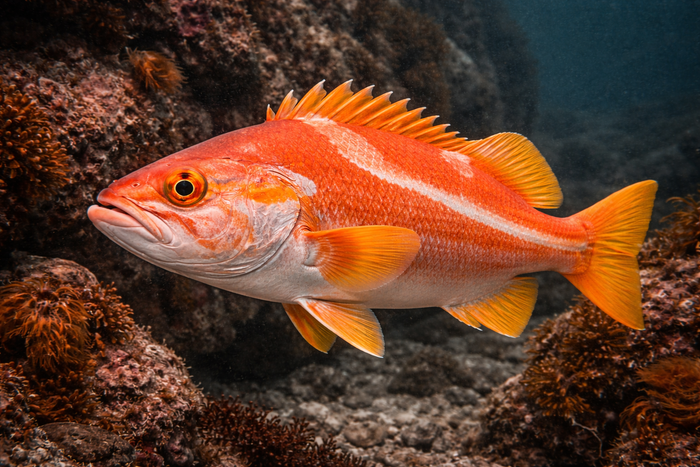
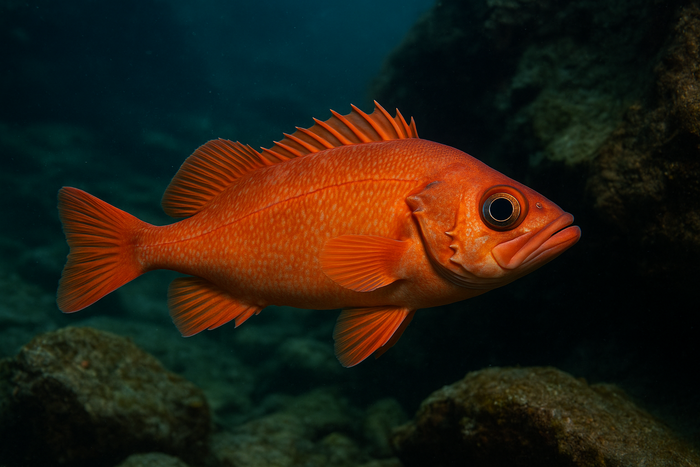
Silvergray Rockfish (Sebastes brevispinis): The Stealthy Sentinel of Rocky Depths
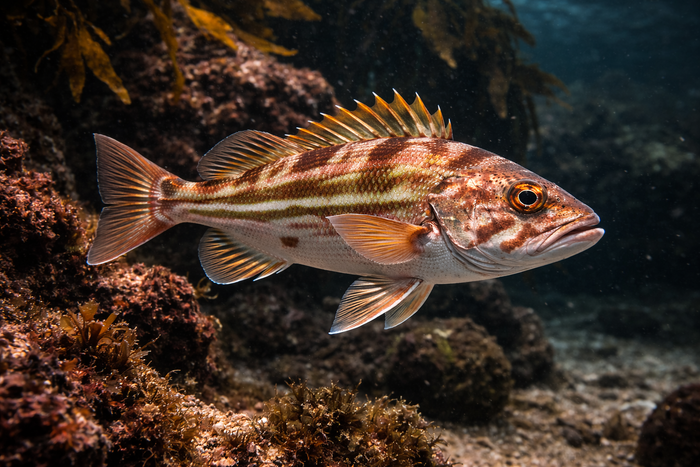
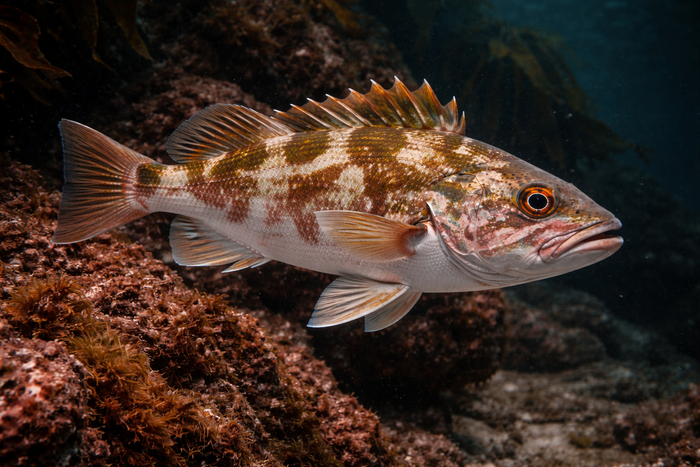
The Silvergray Rockfish, scientifically known as Sebastes brevispinis, is no wallflower in the underwater world. Sporting a muted silver-gray hue that blends seamlessly with rocky ocean floors, this species commands attention through subtlety rather than flash. It’s a master of camouflage and resilience, thriving where many others falter. For anglers, divers, and marine biologists alike, the Silvergray Rockfish offers a compelling study in adaptation and survival. This guide dives deep into the Silvergray Rockfish facts that make it a standout member of the rockfish family.
What Makes the Silvergray Rockfish Unique?
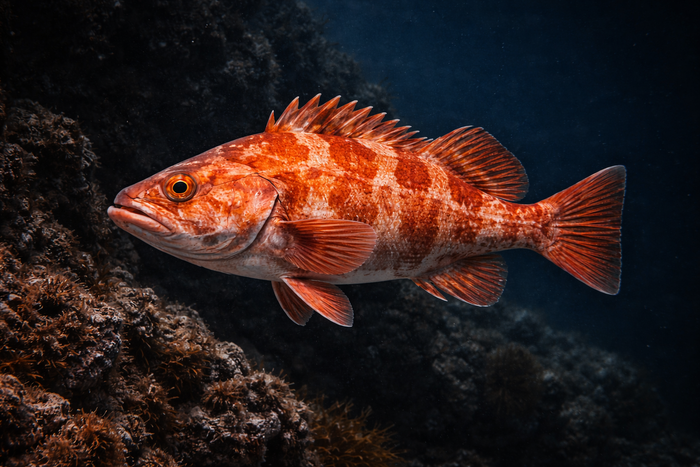
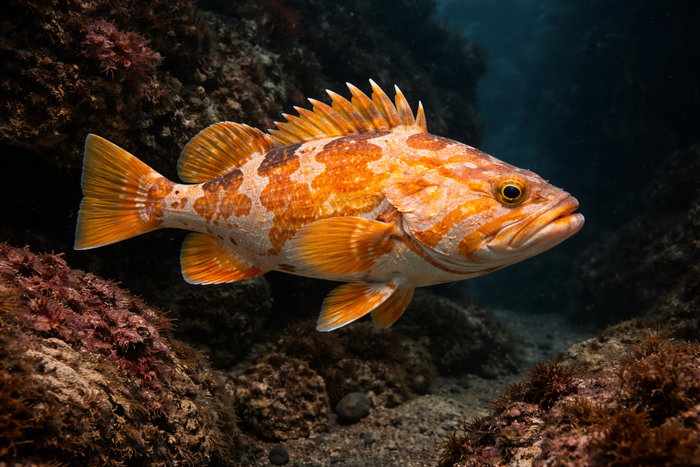
Silvergray Rockfish are a textbook example of evolutionary finesse. Unlike their more flamboyant cousins, their coloration is understated but effective, providing near-perfect camouflage against rocky substrates. Their body shape is robust and slightly compressed, designed for maneuvering tight crevices and rocky outcrops. The species name brevispinis hints at one of their defining features: shorter spines compared to other rockfish, which may reduce snagging in their complex habitats.
Another unique trait is their longevity. Silvergray Rockfish can live for several decades, a testament to their slow growth and late maturity. This longevity means they play long-term roles in their ecosystems, unlike many shorter-lived fish species. Their reproductive strategy involves internal fertilization and live birth, which is relatively rare among fish and adds a layer of complexity to their life cycle.
Habitat & Global Range
Silvergray Rockfish habitat is primarily along the North Pacific coast, with a range extending from the cold waters off Alaska down to the temperate zones near California. They prefer rocky reefs, ledges, and underwater cliffs where they can exploit crevices for shelter and ambush points for prey. Depth-wise, they are comfortable anywhere from shallow subtidal zones to depths exceeding 300 meters.
Their affinity for rugged, rocky environments means they are less likely to be found in sandy or muddy bottoms. This preference influences their distribution and makes them a key species in structurally complex marine habitats. Understanding Silvergray Rockfish habitat is crucial for conservation efforts, as these environments are often vulnerable to human activities like trawling and coastal development.
Behavior & Temperament
Silvergray Rockfish are the introverts of the rockfish world. They tend to be solitary or found in small groups rather than large schools. Their behavior is cautious and deliberate, relying on stealth rather than speed. They are ambush predators, feeding primarily on smaller fish, crustaceans, and various invertebrates. Their hunting style involves patience and precision, striking when prey ventures too close.
Despite their slow movements, they are not defenseless. The spines on their dorsal fins, though shorter than some relatives, are sharp and can deter predators. They also have a tendency to remain motionless for extended periods, blending into the rocky background to avoid detection.
Ecological Importance
Silvergray Rockfish are more than just a species to admire; they are ecological linchpins in their habitats. As mid-level predators, they help regulate populations of smaller fish and invertebrates, maintaining balance within the food web. Their presence supports biodiversity by preventing any one species from dominating the rocky reef environment.
Moreover, they serve as prey for larger marine predators, including seals and larger fish, linking multiple trophic levels. Their long lifespan and stable populations contribute to the resilience of their ecosystems, especially in areas where environmental conditions fluctuate.
Conservation & Environmental Pressures
Despite their hardy nature, Silvergray Rockfish face significant threats. Overfishing has historically impacted many rockfish species due to their slow growth and late maturity, making population recovery a slow process. Habitat degradation from bottom trawling and coastal development further compounds their vulnerability by destroying the complex rocky structures they depend on.
Climate change adds another layer of pressure, altering water temperatures and affecting prey availability. Ocean acidification may also impact the invertebrates they feed on, indirectly threatening their survival. Conservation efforts must focus on sustainable fishing practices, habitat protection, and monitoring population trends to ensure the Silvergray Rockfish remains a fixture of its native waters.
The FishyAF Take
The Silvergray Rockfish is a masterclass in subtlety and survival. It’s not the flashiest fish in the sea, but it’s one of the most fascinating once you peel back the layers. Its understated appearance masks a complex life history and a critical ecological role. For anyone serious about understanding marine ecosystems or targeting rockfish species, knowing the Silvergray Rockfish facts is non-negotiable.
This species challenges us to look beyond the obvious and appreciate the quiet players that keep ocean habitats ticking. Protecting the Silvergray Rockfish means safeguarding the intricate rocky reefs they call home, which benefits countless other species. In the grand scheme of marine life, the Silvergray Rockfish proves that sometimes, the boldest moves come wrapped in the quietest packages.