Greenblotched Rockfish (Sebastes rosenblatti): The Underwater Rebel with a Camouflage Edge
The Greenblotched Rockfish is not your average bottom dweller. With its striking green blotches and rugged demeanor, this species stands out among the crowded rockfish family. Found along the Pacific coast, it’s a master of blending into rocky reefs while maintaining a bold presence. For anglers and marine enthusiasts alike, the Greenblotched Rockfish offers a fascinating glimpse into the complex world of rockfish ecology and survival.
What Makes the Greenblotched Rockfish Unique?
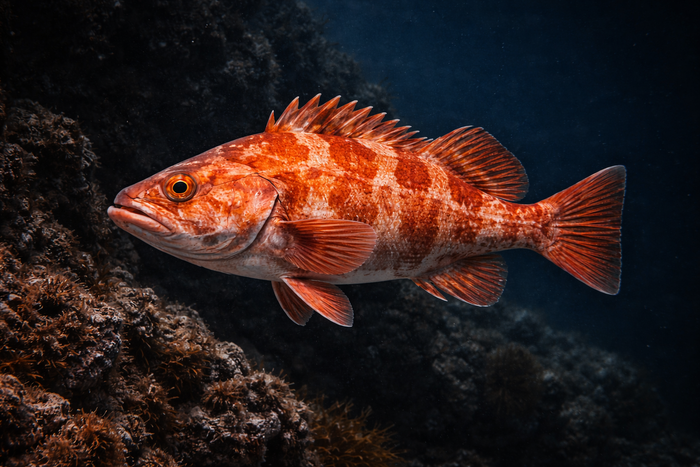
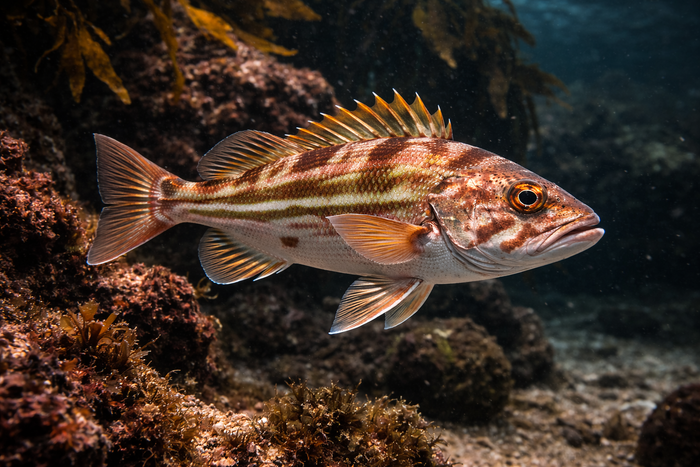
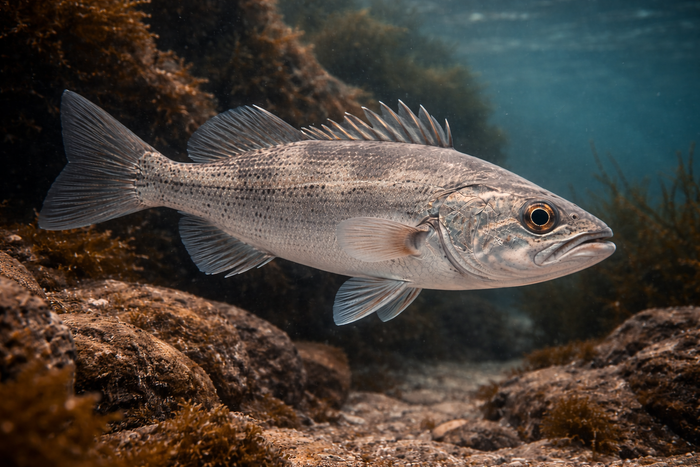
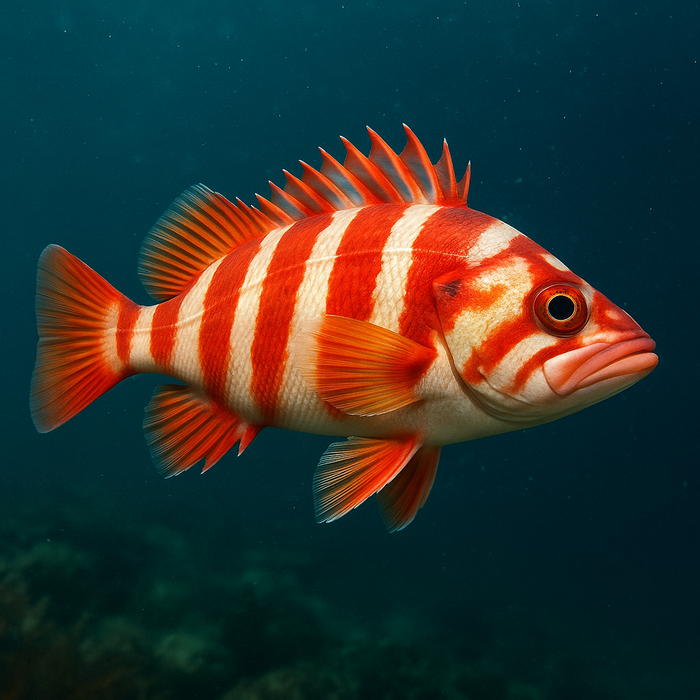
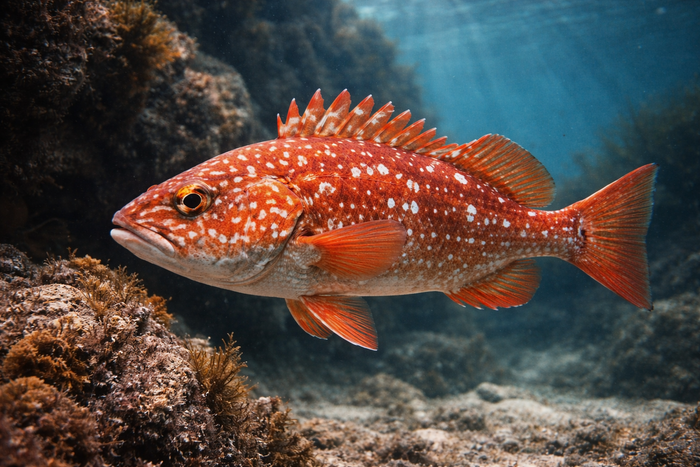
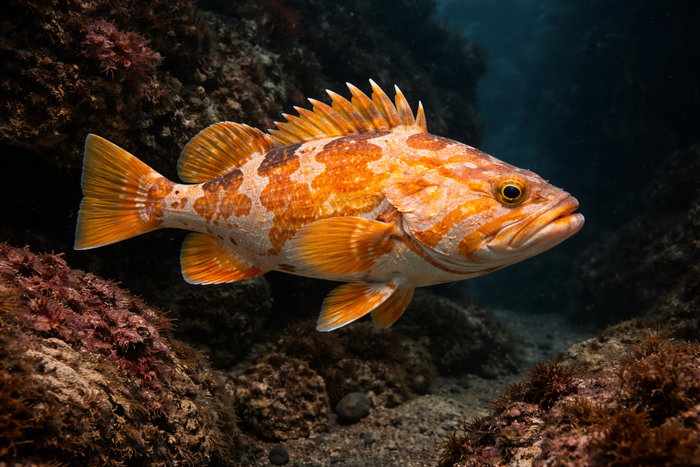
Sebastes rosenblatti earns its name from the distinctive greenish blotches that pepper its body, a natural camouflage that helps it vanish into kelp forests and rocky outcrops. Unlike many of its relatives that sport more muted colors, this species flaunts a pattern that’s both functional and eye-catching. Its robust body and spiny dorsal fins give it a tough, armored look, signaling it’s built to handle the rugged environment it calls home.
Another standout trait is its relatively limited range compared to other rockfish, which makes it a bit of a regional specialist. This species has adapted to specific depths and substrates, showing a preference for mid-depth rocky reefs where it can exploit crevices and overhangs for shelter. Its diet is opportunistic but leans heavily on small fish and invertebrates, making it a key mid-level predator.
Habitat & Global Range
The Greenblotched Rockfish is a Pacific native, primarily found from central California down to Baja California. Its habitat is a mix of rocky reefs and kelp beds, typically between 50 and 200 meters deep. This depth range places it in a zone where light still filters through but predators and competitors are abundant, demanding both stealth and aggression.
Greenblotched Rockfish habitat is characterized by complex structures—boulders, ledges, and kelp holdfasts—that provide both hunting grounds and refuge. These environments are nutrient-rich and support a diverse community of marine life, which the rockfish taps into. Unlike pelagic species that roam open waters, this rockfish is a site-loyal resident, rarely venturing far from its chosen reef.
Behavior & Temperament
Don’t expect the Greenblotched Rockfish to be a social butterfly. It’s a solitary hunter, often found perched motionless on rocky ledges, waiting for prey to wander too close. Its hunting strategy is a mix of ambush and opportunism, relying on its camouflage to stay hidden until the last second.
Temperament-wise, this rockfish is defensive rather than aggressive. When threatened, it flares its spines and retreats into crevices rather than engaging in prolonged fights. This behavior minimizes injury and maximizes survival in a habitat filled with larger predators like lingcod and sharks.
Reproduction involves internal fertilization, with females releasing larvae into the water column. The larvae are planktonic, drifting with currents before settling into suitable reef habitats. This life cycle ensures genetic mixing but also ties the species’ success to ocean conditions and habitat availability.
Ecological Importance
The Greenblotched Rockfish plays a crucial role in its ecosystem as a mid-level predator. By feeding on smaller fish and invertebrates, it helps regulate those populations, maintaining balance within the reef community. Its presence indicates a healthy, complex habitat since it depends on structural diversity for shelter and hunting.
Moreover, it serves as prey for larger marine predators, linking lower and higher trophic levels. This dual role makes it a vital component of the food web, contributing to the overall resilience and productivity of Pacific reef ecosystems.
Conservation & Environmental Pressures
Despite its hardy appearance, the Greenblotched Rockfish faces significant challenges. Overfishing has historically impacted many rockfish species, and although this one is less targeted commercially, bycatch and recreational fishing pressure still pose threats. Its slow growth and late maturity mean populations recover slowly once depleted.
Habitat degradation is another concern. Coastal development, pollution, and climate change affect kelp forests and rocky reefs, reducing the quality and availability of Greenblotched Rockfish habitat. Ocean acidification and warming waters further complicate survival by altering prey availability and larval dispersal patterns.
Conservation efforts focus on habitat protection, fishing regulations, and monitoring population trends. Marine protected areas that encompass key reef habitats offer some refuge, but ongoing vigilance is necessary to ensure this species doesn’t slip toward vulnerability.
The FishyAF Take
The Greenblotched Rockfish is a prime example of how specialized adaptation and ecological balance go hand in hand. It’s not flashy in the way some game fish are, but its subtle camouflage and strategic lifestyle make it a fascinating subject for anyone serious about marine biology or fishing. Understanding Greenblotched Rockfish facts isn’t just about knowing a species; it’s about appreciating the delicate interplay of life on the Pacific coast.
If you’re after a fish that embodies resilience and quiet strength, the Greenblotched Rockfish fits the bill. It demands respect for its habitat and a commitment to sustainable practices. Keep an eye out for this green-patterned enigma next time you explore rocky reefs—its story is a reminder that even the most unassuming fish can be a cornerstone of ocean health.