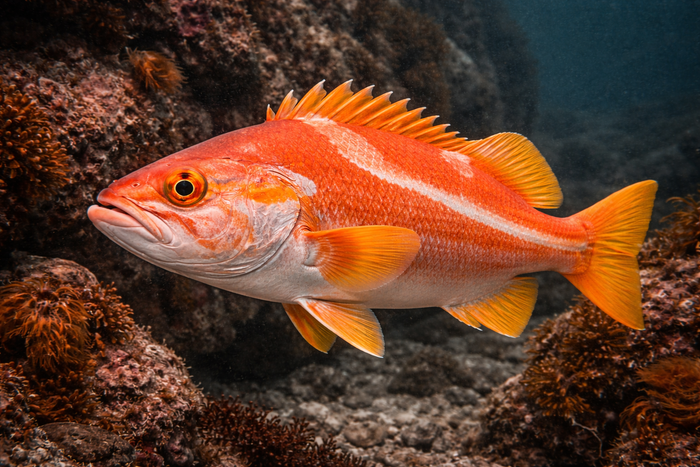
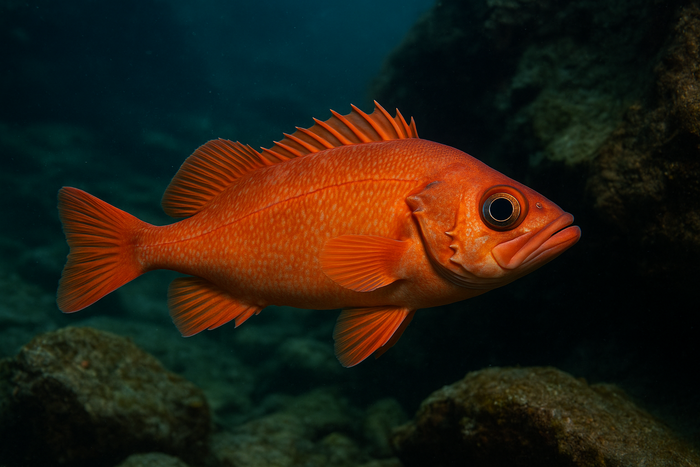
Greenstriped Rockfish (Sebastes elongatus): The Underwater Striped Enigma That Commands Attention
The Greenstriped Rockfish, Sebastes elongatus, is a standout among the rockfish clan. Its sleek, elongated body adorned with vivid green stripes isn’t just for show—it’s a signal of a species that thrives in the complex underwater world of the Pacific Northwest. This fish is a master of camouflage and survival, blending into rocky reefs and kelp forests with a grace that belies its tough, spiny exterior. For anglers and marine biologists alike, the Greenstriped Rockfish offers a fascinating glimpse into the adaptability and resilience of coastal marine life.
What Makes the Greenstriped Rockfish Unique?
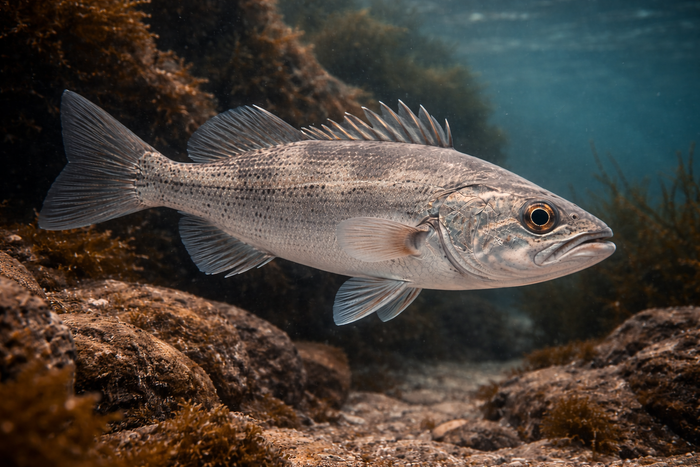
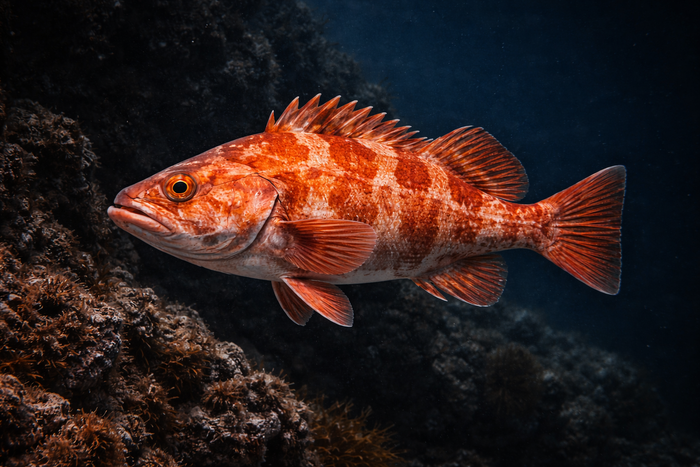
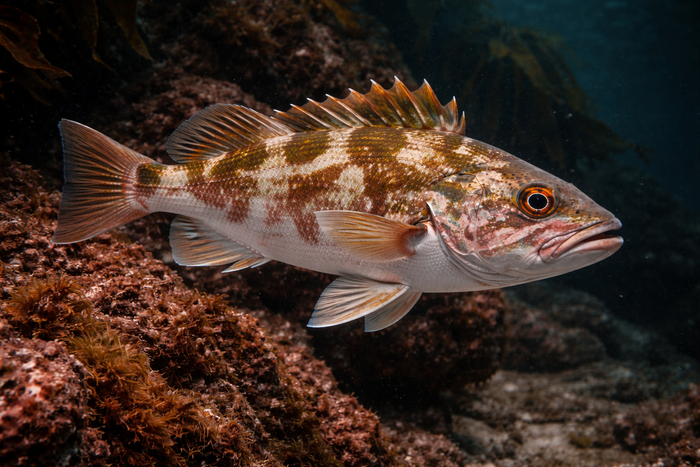
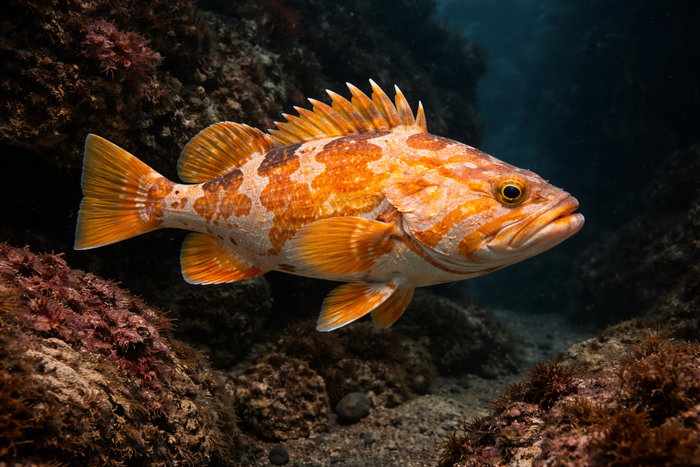
The Greenstriped Rockfish is not your average bottom dweller. Its defining feature is the striking greenish vertical stripes running along its body, which provide excellent camouflage among the kelp and rocky substrates it calls home. Unlike many rockfish species that sport blotchy or mottled patterns, these clean, bold stripes are a visual signature that sets it apart.
Beyond aesthetics, this species boasts an elongated body shape that aids in swift, agile movements through its complex habitat. It’s a slow-growing, long-lived fish, with individuals reaching ages well beyond two decades. This longevity is paired with a reproductive strategy that involves internal fertilization and live birth, a trait that’s rare among fish but common in rockfish. This means the Greenstriped Rockfish invests heavily in fewer offspring, increasing their survival odds in a competitive ecosystem.
Habitat & Global Range
Greenstriped Rockfish habitat is primarily along the eastern Pacific coast, stretching from the cold waters of Alaska down to central California. They prefer rocky reefs, kelp forests, and areas with complex underwater structures where they can hide from predators and ambush prey. Depth-wise, these fish are versatile, occupying zones from shallow nearshore waters to depths exceeding 300 meters.
Their affinity for structured habitats is no accident. The vertical relief provided by rocks and kelp offers both shelter and hunting grounds. This species’ ability to exploit a range of depths and habitats makes it a resilient player in the coastal marine environment, adapting to seasonal changes and shifting prey availability.
Behavior & Temperament
Greenstriped Rockfish are solitary or found in small groups, often sticking close to their chosen rocky outcrop or kelp bed. They are ambush predators, relying on stealth and patience rather than speed. Their diet consists mainly of small fish, crustaceans, and planktonic organisms, which they snatch with quick bursts of movement.
Despite their spiny armor, these fish are not aggressive toward divers or other species unless provoked. Their temperament is cautious and reserved, making them a challenge to spot but a rewarding catch for anglers who know their habits. They exhibit site fidelity, often returning to the same shelter repeatedly, which makes them predictable in a way that benefits both researchers and fishermen.
Ecological Importance
The Greenstriped Rockfish plays a critical role in maintaining the balance of coastal ecosystems. As mid-level predators, they help regulate populations of smaller fish and invertebrates, preventing any single species from dominating the habitat. Their presence supports the health of kelp forests by controlling herbivorous prey that might otherwise overgraze these vital underwater forests.
Moreover, Greenstriped Rockfish serve as prey for larger predators such as lingcod and marine mammals, linking multiple trophic levels. Their long lifespan and slow reproduction mean they act as stable population anchors in a fluctuating environment, ensuring ecosystem resilience over time.
Conservation & Environmental Pressures
Despite their adaptability, Greenstriped Rockfish face significant threats from overfishing, habitat degradation, and climate change. Their slow growth and late maturity make them vulnerable to population declines when fishing pressure is high. Bottom trawling and habitat destruction further reduce the availability of the complex structures they depend on.
Climate change introduces additional challenges, including ocean acidification and warming waters that can alter prey availability and habitat suitability. Conservation efforts focus on protecting critical habitats, implementing catch limits, and monitoring populations to prevent overexploitation.
Marine protected areas and sustainable fishing practices are essential to ensure the Greenstriped Rockfish continues to thrive. Their ecological role and unique biology make them a priority species for conservation in the Pacific coastal regions.
The FishyAF Take
The Greenstriped Rockfish is a prime example of nature’s blend of beauty and resilience. Its distinctive stripes are more than just a pattern—they’re a badge of survival in a tough, competitive environment. Understanding Greenstriped Rockfish facts and habitat preferences is key for anyone serious about marine conservation or coastal fishing.
This species demands respect for its longevity and ecological role. It’s not just another fish to catch; it’s a vital thread in the fabric of Pacific marine ecosystems. Protecting the Greenstriped Rockfish means safeguarding the health and diversity of our coastal waters for generations to come. If you want to fish smart or conserve smarter, knowing this species inside and out is non-negotiable.