Yelloweye Rockfish (Sebastes ruberrimus): The Ocean’s Golden-Eyed Sentinel You Can’t Ignore
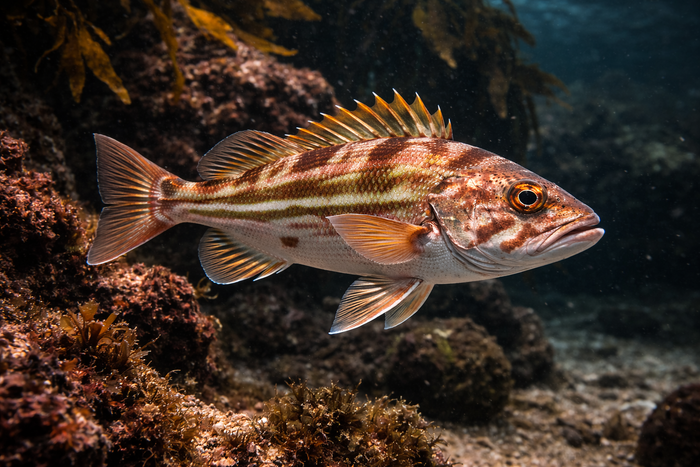
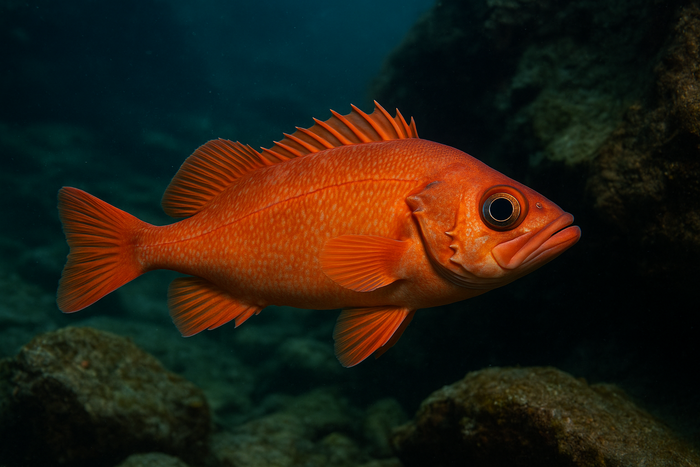
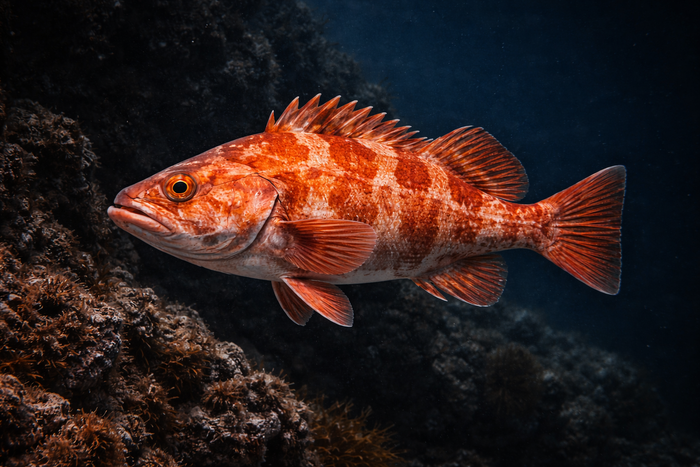
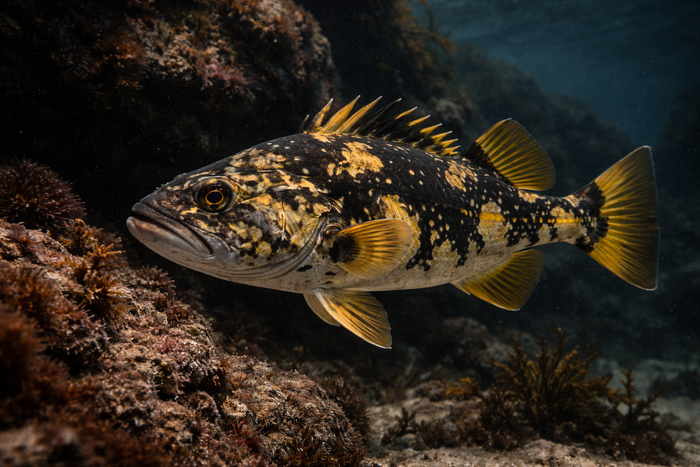
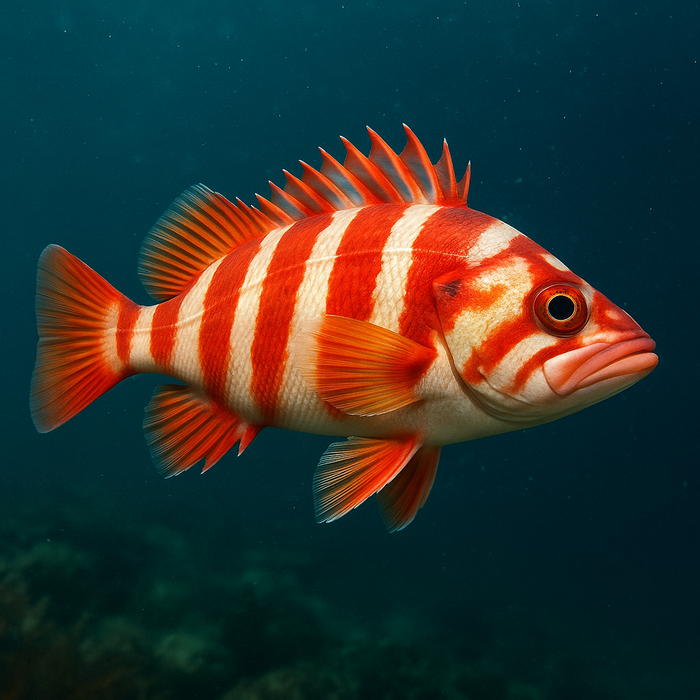
The Yelloweye Rockfish is not your average reef dweller. With its striking golden eyes and fiery red-orange body, this species commands attention both visually and ecologically. Known scientifically as Sebastes ruberrimus, it’s a heavyweight among rockfish, living long and slow in the cold, deep waters of the North Pacific. If you’re diving into Yelloweye Rockfish facts, prepare for a story of resilience, mystery, and a species that’s as bold as its name suggests.
What Makes the Yelloweye Rockfish Unique?
Yelloweye Rockfish stand out for several reasons. First, their vibrant coloration isn’t just for show—it’s a warning and a beacon. Their large, glowing yellow eyes give them a ghostly appearance in deep water, where light is scarce. These fish grow to impressive sizes and can live for over a century, making them one of the longest-lived fish species in the ocean. Their slow growth and late maturity are evolutionary bets on survival, but also a vulnerability when faced with human pressures.
Unlike many fish that dart and dash, Yelloweye Rockfish are slow movers, relying on camouflage and their tough spines for defense. Their spiny dorsal fins are not just intimidating but functional, deterring predators and anglers alike. This species’ longevity and slow reproductive rate mean that population recovery is a marathon, not a sprint.
Habitat & Global Range
Yelloweye Rockfish habitat is primarily the rocky reefs and underwater ledges of the North Pacific Ocean, stretching from the Gulf of Alaska down to central California. They prefer depths between 80 and 400 meters, where cold, oxygen-rich waters prevail. These fish are true bottom dwellers, rarely venturing into open water, instead hugging complex rocky structures that provide shelter and hunting grounds.
Their range overlaps with other rockfish species, but Yelloweye Rockfish carve out a niche in deeper, colder waters. This habitat preference makes them less accessible to casual anglers but more vulnerable to deep-water trawling and longline fishing. The structure of their habitat is critical; without rocky crevices and caves, Yelloweye Rockfish lose their natural refuge and hunting advantage.
Behavior & Temperament
Yelloweye Rockfish are the strong, silent type. They don’t school like sardines or flash like mackerel. Instead, they are solitary or found in small groups, exhibiting territorial behavior around their chosen rocky homes. Their slow, deliberate movements are a survival strategy—energy conservation is key in the nutrient-sparse depths they inhabit.
They are ambush predators, feeding primarily on smaller fish, crabs, and other invertebrates. Their large mouths and powerful jaws make quick work of prey. Despite their intimidating appearance, Yelloweye Rockfish are not aggressive toward divers or humans, but they will defend their territory if provoked.
Ecological Importance
Yelloweye Rockfish play a pivotal role in their ecosystem. As mid-level predators, they help regulate populations of smaller fish and invertebrates, maintaining a balance that supports reef health. Their presence indicates a healthy, complex habitat, as they rely on intact rocky structures for shelter and breeding.
Their long lifespan means they accumulate ecological knowledge, so to speak, by maintaining stable populations over decades. This stability supports a diverse marine community. When Yelloweye Rockfish populations decline, it can trigger cascading effects, disrupting food webs and reef dynamics.
Conservation & Environmental Pressures
Here’s where the story gets complicated. Yelloweye Rockfish are slow to mature and reproduce, making them highly susceptible to overfishing. Their long lifespan means that recovery from population declines can take decades. Historically, they were heavily targeted by commercial and recreational fisheries, prized for their size and taste.
Habitat degradation from bottom trawling and climate change-induced shifts in ocean temperature and chemistry add layers of stress. Ocean acidification threatens their prey species and the rocky habitats they depend on. Conservation efforts have ramped up, with fishing restrictions, marine protected areas, and catch limits aiming to give Yelloweye Rockfish a fighting chance.
Despite these measures, recovery is slow. The species remains vulnerable, a stark reminder that nature’s slow movers don’t bounce back overnight. Protecting Yelloweye Rockfish is about patience, science, and respecting the ocean’s long game.
The FishyAF Take
Yelloweye Rockfish are the ocean’s golden-eyed guardians—majestic, mysterious, and stubbornly resilient. They embody the challenges of marine conservation: balancing human appetite with ecological sustainability. If you want to understand the pulse of North Pacific reefs, you start with Yelloweye Rockfish facts and habitat.
These fish demand respect, not just for their striking looks but for their ecological role and survival story. They’re a reminder that some species play the long game, and we need to match their patience with smart, science-driven stewardship. Catching a glimpse of a Yelloweye Rockfish in its rocky lair is witnessing a living relic of the ocean’s deep past—and a call to protect its future.