China Rockfish (Sebastes nebulosus): The Bold, Colorful Sentinel of the Pacific Northwest
The China Rockfish stands out in the crowded world of Pacific rockfish with its striking appearance and tenacious nature. Known scientifically as Sebastes nebulosus, this species commands attention not just for its vivid coloration but also for its resilience and role in coastal ecosystems. If you’re diving into China Rockfish facts, prepare to meet a fish that’s as tough as it is visually captivating.
What Makes the China Rockfish Unique?
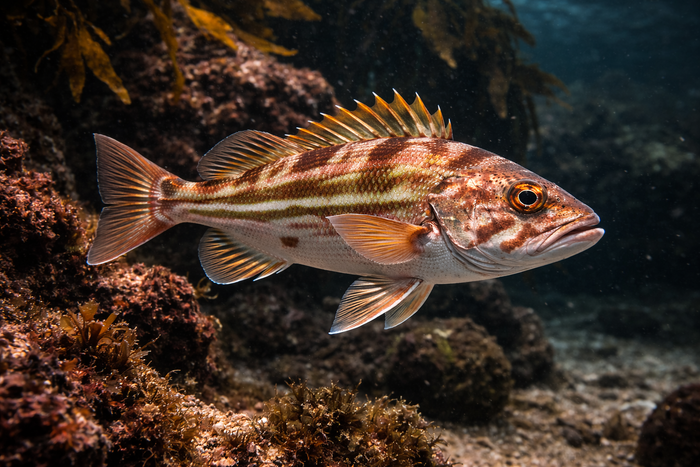
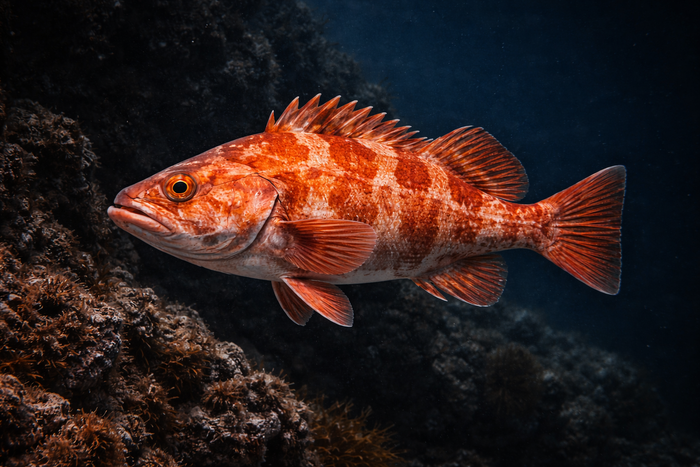
China Rockfish are unmistakable. Their bodies are adorned with a complex pattern of orange, red, and brown blotches that resemble a living piece of abstract art. This camouflage isn’t just for show; it’s a survival tool against predators and a clever way to ambush prey. Unlike many rockfish species, China Rockfish have a relatively blunt head and a robust body, giving them a stocky, tank-like appearance.
One of the most fascinating China Rockfish facts is their longevity. These fish can live for several decades, slowly growing and adapting to their environment. Their slow growth rate and late maturity make them vulnerable to overfishing, but also underscore their evolutionary success in stable habitats.
Habitat & Global Range
China Rockfish habitat is primarily the rocky reefs and kelp forests along the northeastern Pacific coast. Their range extends from the waters off southern California up to the Gulf of Alaska. They prefer depths between 10 and 150 meters, often hugging complex rocky substrates where crevices and ledges provide shelter.
This species thrives in temperate waters, favoring areas with abundant structure. The China Rockfish’s affinity for rocky outcrops and underwater caves makes them a staple of nearshore ecosystems. Their presence is a good indicator of healthy reef environments, where biodiversity flourishes.
Behavior & Temperament
China Rockfish are territorial and relatively sedentary compared to other fish. They stake out a home range around a favored rock or kelp patch and rarely venture far. This territoriality is paired with a bold temperament; they don’t shy away from divers or intruders, often holding their ground with a confident posture.
Their diet is opportunistic but focused. China Rockfish feed on smaller fish, crustaceans, and various invertebrates. Their ambush hunting style relies on patience and camouflage, striking quickly when prey wanders too close.
Reproduction involves internal fertilization, with females giving birth to live young. This reproductive strategy is common among rockfish and contributes to their slow population growth, making them sensitive to environmental pressures.
Ecological Importance
China Rockfish play a critical role in maintaining the balance of nearshore marine ecosystems. As mid-level predators, they help control populations of smaller fish and invertebrates, preventing any single species from dominating the habitat. Their presence supports the health of kelp forests by indirectly influencing the abundance of herbivorous species.
Moreover, China Rockfish serve as prey for larger predators, including marine mammals and bigger fish, integrating them into the broader food web. Their long lifespan and site fidelity mean they contribute to the stability and continuity of reef communities over time.
Conservation & Environmental Pressures
Despite their resilience, China Rockfish face significant conservation challenges. Overfishing has historically impacted their populations, especially because their slow growth and late maturity limit their ability to rebound quickly. Targeted fishing and bycatch in commercial and recreational fisheries have reduced numbers in some areas.
Habitat degradation also poses a threat. Pollution, coastal development, and climate change affect the quality of their rocky reef environments. Ocean acidification and warming waters can disrupt the delicate balance of kelp forests and reef ecosystems that China Rockfish depend on.
Conservation efforts include fishing regulations, marine protected areas, and habitat restoration projects. Monitoring populations and enforcing catch limits are crucial to ensuring this species remains a vibrant part of the Pacific Northwest’s marine heritage.
The FishyAF Take
The China Rockfish is a masterclass in evolutionary adaptation and ecological balance. Its bold colors and steadfast nature make it a standout species, but beneath the surface lies a story of vulnerability and resilience. Understanding China Rockfish facts and habitat is essential for appreciating the complexity of coastal ecosystems and the delicate dance of marine life.
For anglers and divers, the China Rockfish offers a rewarding encounter—both visually and ecologically. Protecting this species means preserving a vital piece of the underwater puzzle that keeps Pacific reefs thriving. The China Rockfish isn’t just another fish; it’s a symbol of the rugged, dynamic coastline it calls home. Respect it, study it, and above all, don’t take it for granted.