Flag Rockfish (Sebastes rubrivinctus): The Striking Sentinel of the Pacific Reefs
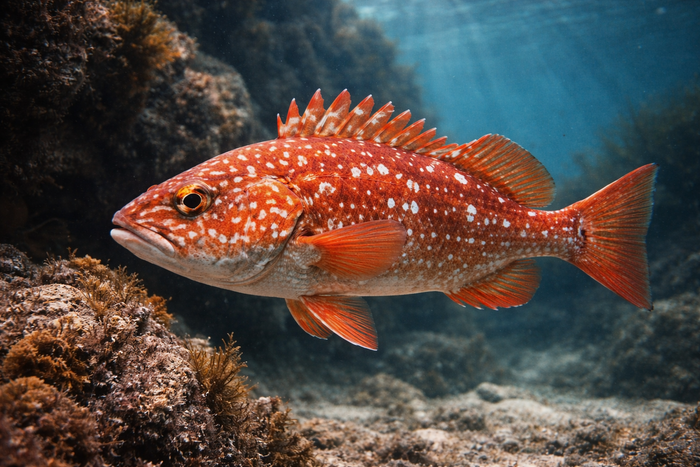
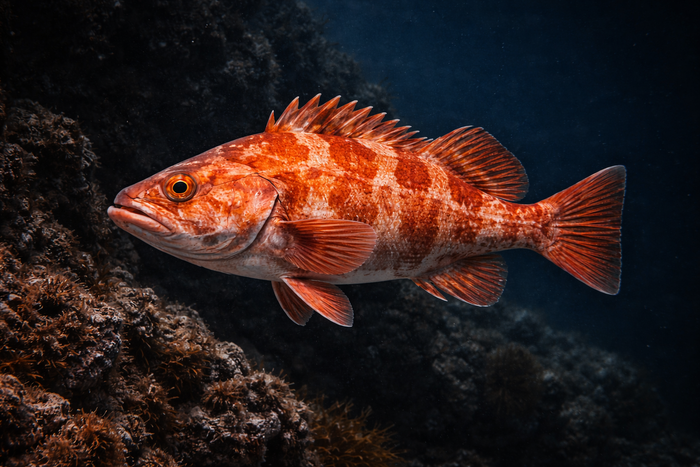
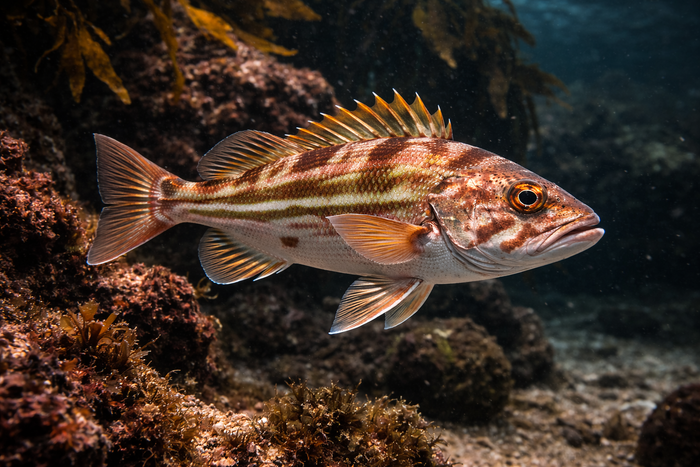
The Flag Rockfish is not your average reef dweller. With its vivid red and white banded pattern, this species commands attention in the rocky underwater landscapes of the eastern Pacific. Known scientifically as Sebastes rubrivinctus, the Flag Rockfish is a standout among its rockfish relatives, boasting a bold appearance and a fascinating ecological role. Whether you’re a seasoned angler, a marine enthusiast, or just curious about the ocean’s colorful residents, understanding the Flag Rockfish offers insight into the complex tapestry of coastal marine life.
What Makes the Flag Rockfish Unique?
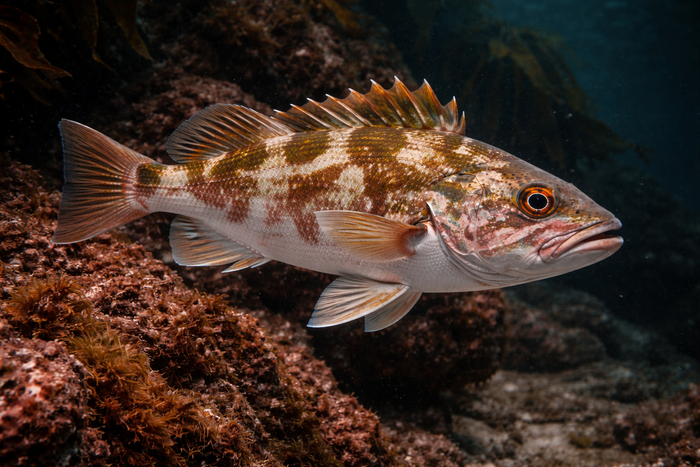
The Flag Rockfish’s most obvious feature is its striking coloration. The red bands that wrap around its body resemble a waving flag, giving this fish its common name. This pattern isn’t just for show; it provides camouflage among the kelp and rocky reefs where it lives, breaking up its outline against the complex background. Unlike many rockfish species that lean towards more muted tones, the Flag Rockfish’s vivid colors make it one of the most visually memorable members of the Sebastes genus.
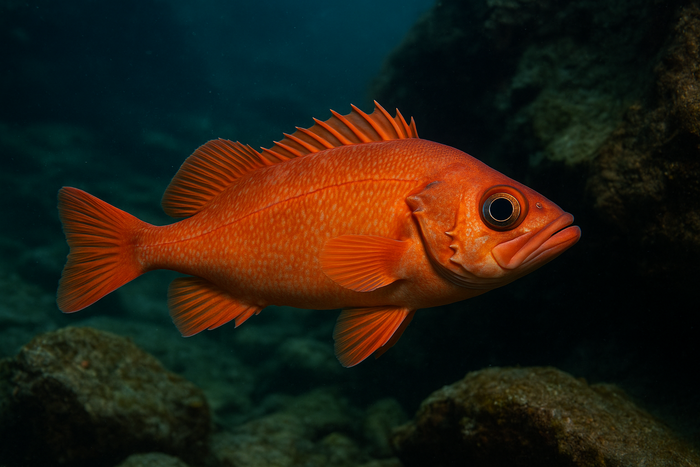
Beyond looks, the Flag Rockfish has a robust body and strong spines, typical of rockfish, which serve as a defense mechanism against predators. Its relatively large eyes are adapted for the dim light of deeper waters, where it often resides. This species also has a relatively long lifespan compared to many fish, which plays a role in its reproductive strategy and population dynamics.
Habitat & Global Range
Flag Rockfish habitat is primarily along the Pacific coast of North America, from central California down to Baja California in Mexico. They prefer rocky reefs and kelp forests, typically found at depths ranging from 10 to 90 meters. These environments provide ample hiding spots and hunting grounds. The complex structure of the reefs offers protection from predators and strong currents while supporting a diverse community of prey species.
Unlike some rockfish that venture into open water, the Flag Rockfish tends to stay close to the bottom, favoring crevices and ledges. This benthic lifestyle is integral to its survival strategy. The species’ distribution is relatively localized compared to other rockfish, making its habitat preferences a critical factor in its conservation.
Behavior & Temperament
Flag Rockfish are solitary or found in small groups rather than large schools. They are ambush predators, relying on stealth and patience to catch prey like small fish, crustaceans, and various invertebrates. Their behavior is generally sedentary, spending much of their time perched on rocks or hovering near the reef.
Despite their bold appearance, Flag Rockfish are not aggressive toward divers or other large animals unless provoked. Their spines are a deterrent rather than a weapon they use offensively. This species exhibits site fidelity, meaning individuals often remain in the same area for extended periods, which can make them vulnerable to localized environmental changes or fishing pressures.
Ecological Importance
Flag Rockfish play a vital role in maintaining the balance of reef ecosystems. As mid-level predators, they help regulate populations of smaller fish and invertebrates, preventing any one species from dominating the habitat. This balance supports the overall health and biodiversity of kelp forest and rocky reef communities.
Their presence also benefits larger predators, including marine mammals and bigger fish species, which rely on rockfish as a food source. Additionally, Flag Rockfish contribute to nutrient cycling within their environment through their feeding and excretion activities.
Conservation & Environmental Pressures
Despite their resilience, Flag Rockfish face several environmental pressures. Overfishing is a significant concern, especially since rockfish species generally have slow growth rates and late maturity. This means populations can take a long time to recover once depleted. The site fidelity of Flag Rockfish exacerbates this issue, as localized fishing can severely impact specific populations.
Habitat degradation is another threat. Coastal development, pollution, and climate change affect kelp forests and rocky reefs, reducing the quality and availability of Flag Rockfish habitat. Ocean acidification and warming waters also pose risks by altering prey availability and reproductive success.
Conservation efforts have included fishing regulations such as size limits, seasonal closures, and marine protected areas designed to safeguard critical habitats. Monitoring populations and habitat health remains essential to ensure the Flag Rockfish continues to thrive in its native range.
The FishyAF Take
The Flag Rockfish is a prime example of how nature’s boldest designs serve practical purposes. Its vivid coloration, while eye-catching, is a masterclass in camouflage and survival. This species embodies the delicate balance of reef ecosystems, acting as both predator and prey in a complex food web.
For anglers and conservationists alike, the Flag Rockfish demands respect. Its slow growth and site loyalty mean that careless fishing or habitat destruction can have outsized impacts. Protecting the Flag Rockfish means protecting the intricate habitats it calls home—kelp forests and rocky reefs that support a vast array of marine life.
Flag Rockfish facts and habitat details highlight the importance of sustainable management and habitat conservation. This fish is not just a colorful catch; it’s a vital piece of the Pacific’s underwater puzzle. Keep an eye out for this sentinel of the reefs next time you explore coastal waters—it’s a reminder that boldness in nature often comes with a story worth knowing.