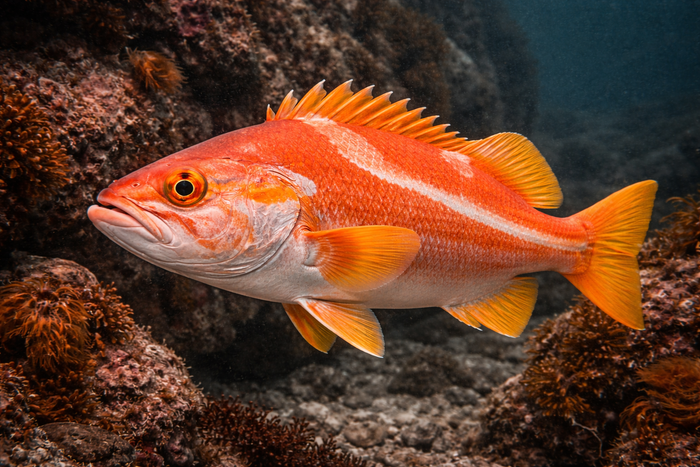
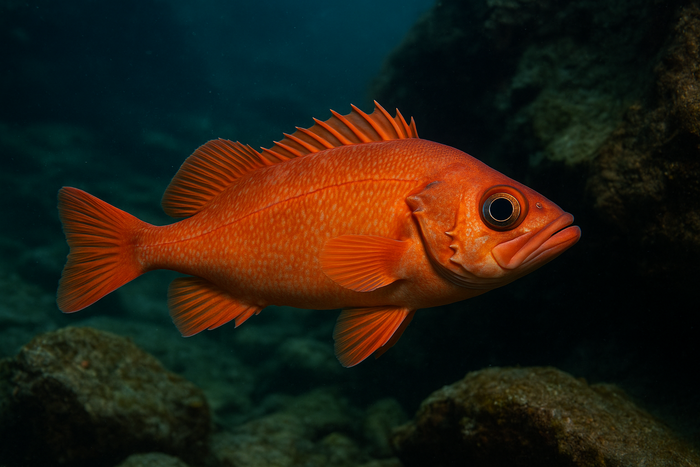
Black Rockfish (Sebastes melanops): The Ocean’s Stealthy Shadow with a Punch
The Black Rockfish is one of the Pacific’s most recognizable bottom dwellers, a species that blends stealth with resilience. If you’re serious about understanding coastal marine ecosystems or just want to up your fishing game, knowing this fish is non-negotiable. Black Rockfish facts reveal a creature perfectly adapted to rocky reefs and kelp forests, where it plays a vital role in the underwater food web. This guide dives deep into what makes the Black Rockfish stand out, where it thrives, and why it demands respect from anglers and conservationists alike.
What Makes the Black Rockfish Unique?
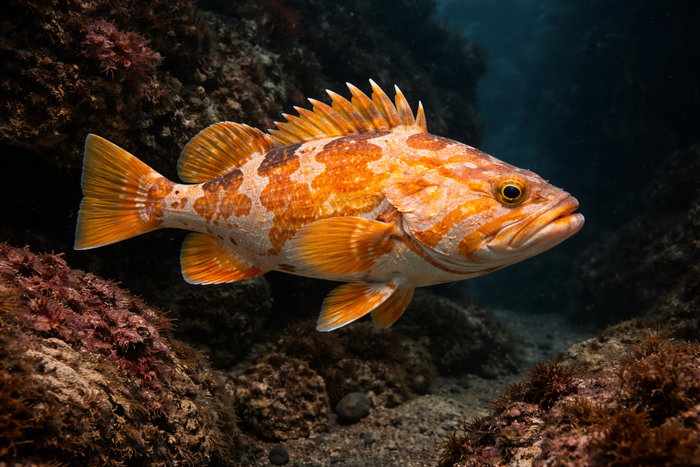
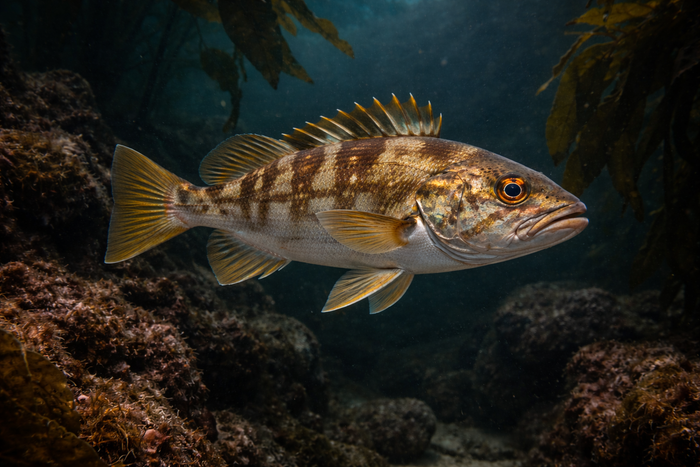
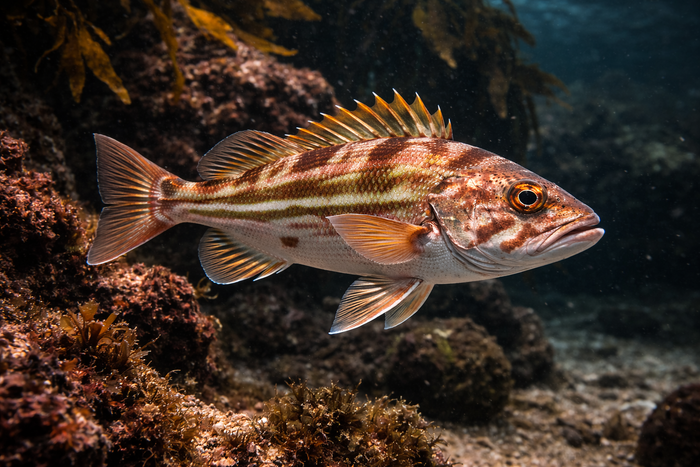
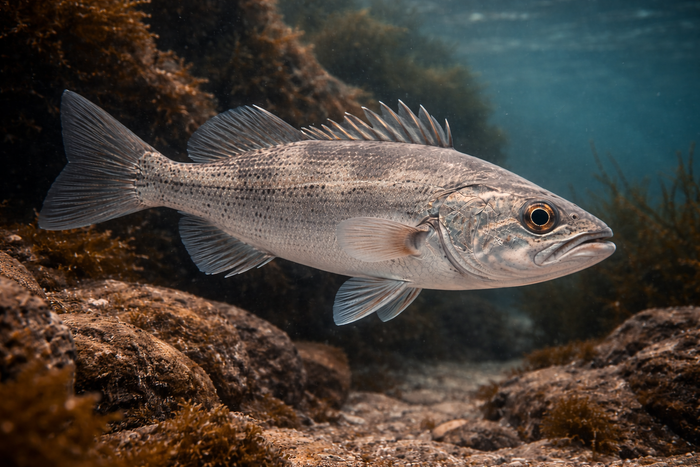
Black Rockfish aren’t just another scaly face in the crowd. Their defining feature is their dark, mottled coloration that provides excellent camouflage against rocky substrates. This stealth mode helps them ambush prey and avoid predators. Unlike many fish that dart away at the slightest hint of danger, Black Rockfish often hold their ground, relying on their spiny dorsal fins as a deterrent.
They belong to the Sebastes genus, a group known for longevity and slow growth. Black Rockfish can live for decades, a trait that makes their populations vulnerable to overfishing but also a testament to their evolutionary success. Their reproductive strategy involves internal fertilization and live birth, which is relatively rare among fish and adds another layer of complexity to their life cycle.
Habitat & Global Range
Black Rockfish habitat is primarily along the North Pacific coast, stretching from California up through Alaska and across to the Russian Far East. They favor rocky reefs, kelp beds, and underwater structures that provide shelter and hunting grounds. Depth-wise, they are versatile, occupying waters from shallow nearshore zones down to about 300 meters.
Their preference for complex habitats means they are often found in areas with strong currents and abundant cover. This environment not only offers protection but also supports a rich food supply, including smaller fish, crustaceans, and plankton. The Black Rockfish’s ability to thrive in such varied conditions makes it a key species in temperate marine ecosystems.
Behavior & Temperament
Black Rockfish are ambush predators with a patient streak. They often hover motionless near rocky outcrops, waiting for prey to come within striking distance. Their diet is opportunistic, ranging from small fish to invertebrates, which they snap up with quick bursts of speed.
Despite their name and somewhat intimidating appearance, Black Rockfish are not aggressive toward humans. They exhibit territorial behavior, especially during spawning seasons, but generally avoid confrontation. Their spiny fins serve as a warning and defense mechanism rather than a weapon of aggression.
Schooling behavior varies with age and season. Juveniles tend to form loose schools for protection, while adults are more solitary or found in small groups. This flexibility in social structure helps them adapt to changing environmental conditions and predation pressures.
Ecological Importance
Black Rockfish are a cornerstone species in their ecosystem. They sit mid-level in the food chain, controlling populations of smaller fish and invertebrates while serving as prey for larger predators like lingcod, seals, and sea birds. This balance maintains the health and diversity of rocky reef communities.
Their role extends beyond predator-prey dynamics. By feeding on a variety of species, Black Rockfish help regulate the abundance of organisms that could otherwise overgraze kelp forests or disrupt benthic habitats. Healthy Black Rockfish populations are indicators of robust marine environments, making them a valuable species for ecological monitoring.
Conservation & Environmental Pressures
Despite their resilience, Black Rockfish face significant challenges. Overfishing is the most immediate threat, driven by both commercial and recreational fisheries. Their slow growth and late maturity mean populations recover slowly once depleted. Management measures like catch limits and seasonal closures are in place but require constant enforcement and adaptation.
Habitat degradation also poses risks. Coastal development, pollution, and climate change impact the quality of Black Rockfish habitat. Ocean acidification and warming waters threaten the kelp forests and rocky reefs they depend on, potentially reducing shelter and food availability.
Bycatch in other fisheries and illegal fishing add pressure. Conservation efforts focus on protecting critical habitats, improving fishery management, and conducting research to better understand population dynamics. The goal is to maintain sustainable Black Rockfish populations that continue to support both ecological balance and fishing communities.
The FishyAF Take
Black Rockfish are a prime example of nature’s balance between toughness and vulnerability. They’re not flashy, but their dark, shadowy presence is a reminder that survival often depends on patience and adaptation. For anglers, they offer a challenging and rewarding catch, demanding respect for their longevity and ecological role.
Understanding Black Rockfish facts and habitat is more than trivia—it’s a step toward responsible stewardship of coastal waters. These fish are sentinels of the rocky reefs, and their health reflects the broader state of marine ecosystems. Protecting them means preserving the intricate dance of life beneath the waves, where every species plays a part.
If you want to fish smarter or simply appreciate the complexity of ocean life, the Black Rockfish deserves your attention. They’re a bold, memorable species that prove sometimes the darkest shadows hold the brightest stories.