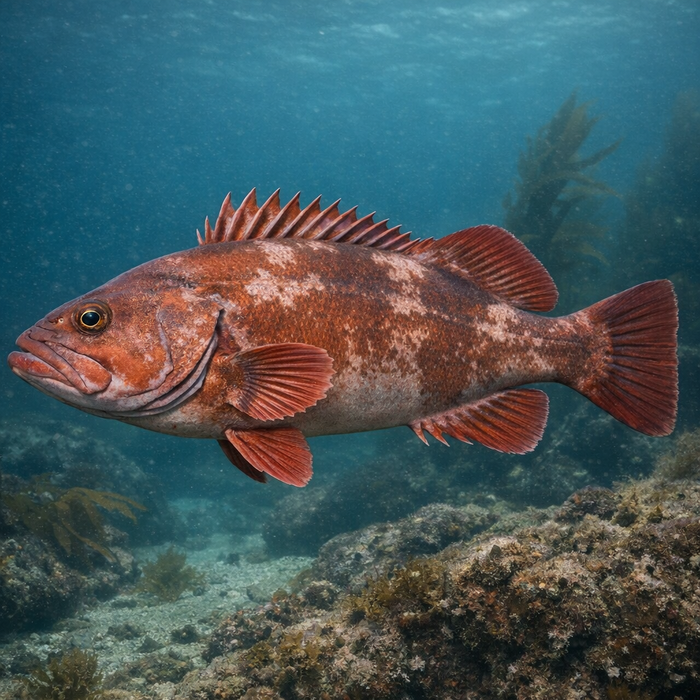
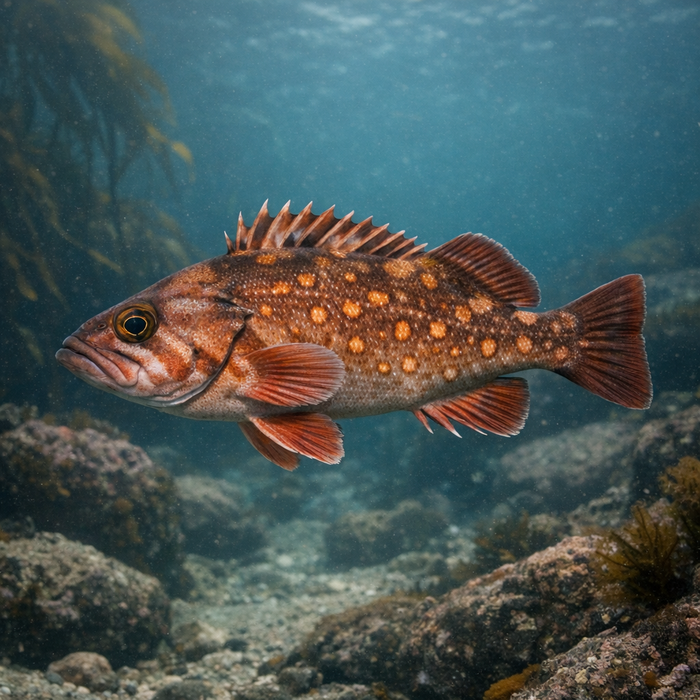
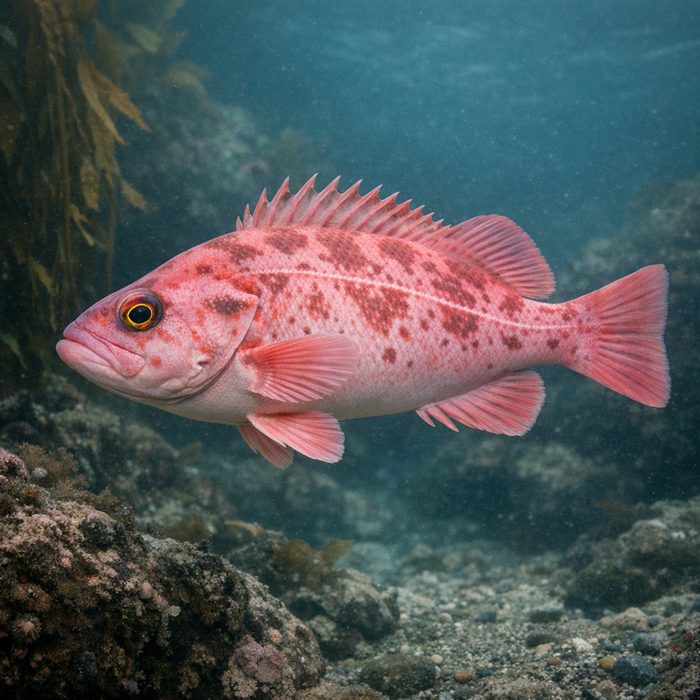
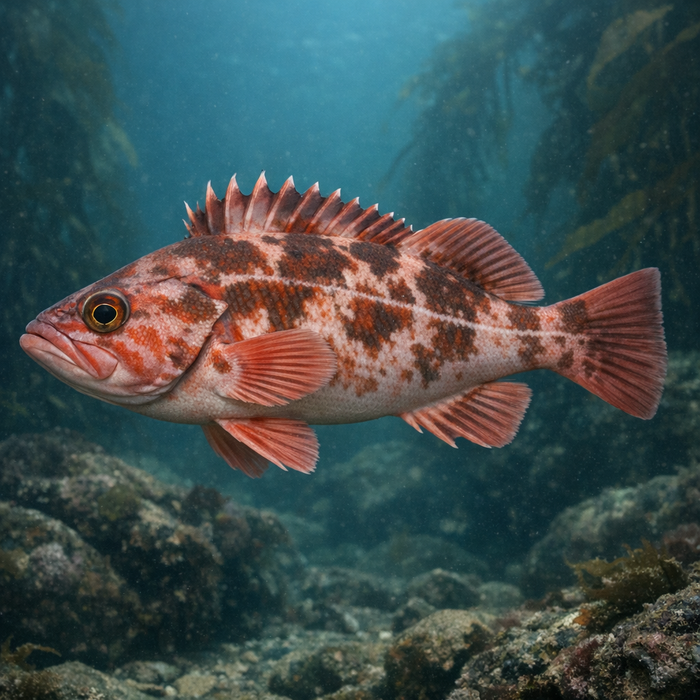
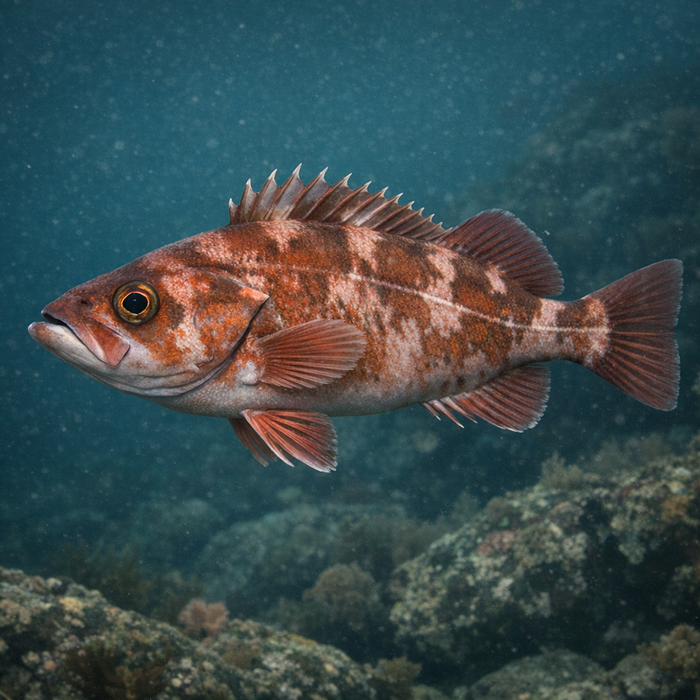
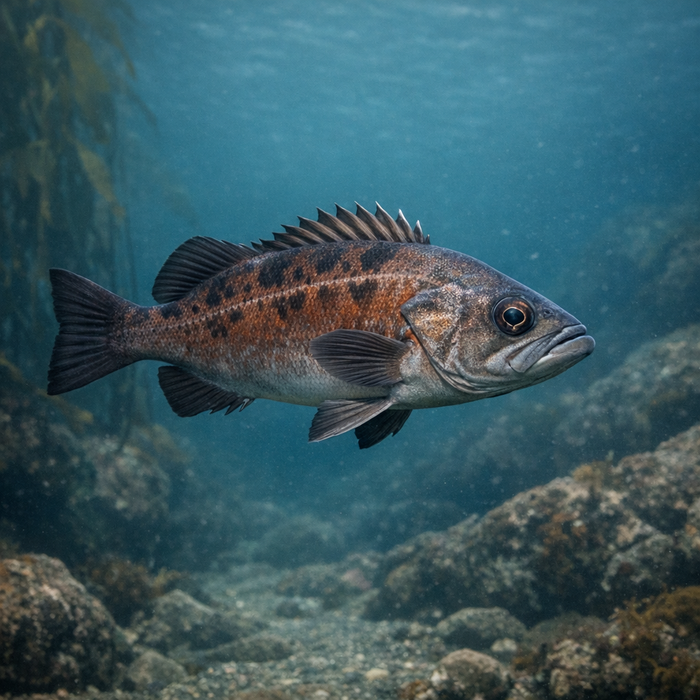
Harlequin Rockfish (Sebastes variegatus): A Bold, Memorable Hook LineIntroductionThe harlequin rockfish is the North Pacific's flashy introvert: dressed like a carnival, living like a hermit. It's the fish that makes even jaded deckhands say whoa when that mottled blaze of orange, yellow, and umber rises from the deep. If you're scanning for quick Harlequin rockfish facts or just curious about Harlequin rockfish habitat, buckle up. This one mixes eye-candy colors with classic rockfish stubbornness and just enough spines to demand respect.What Makes the Harlequin rockfish Unique?Start with the paint job. Few reef dwellers sport such a chaotic, high-contrast mosaic, which can vary wildly from fish to fish. That patchwork is more than pretty; it's disruptive camouflage for broken rock and boulder fields. Then there's the life history twist. Like other Sebastes, the harlequin rockfish is viviparous, internally brooding fertilized eggs and releasing live larvae. Add mild venom in the dorsal and anal spines, and you've got a living reminder to handle with care. All that, packed into a deep-bodied little bruiser that may not sprint, but absolutely digs into the structure when hooked.Habitat & Global RangeThe harlequin rockfish prowls the high-latitude North Pacific, from Japan and the Kurils through the Aleutians and the Gulf of Alaska, with scattered presence along the far North American West Coast where suitable habitat exists. Think cold, oxygen-rich water, hard bottom, boulders, fractured reef, and the kind of gnarly relief where jigs disappear if you blink. Depths can range from nearshore kelp edges in the far north to several hundred feet over broken rock and ledges. In short, Harlequin rockfish habitat is anything but slick sand; it's the steep, snaggy stuff where life hides and eats.Behavior & TemperamentHarlequin rockfish aren't roamers. They hold close to structure, often perched or hovering just off a ledge, waiting to snap at passing meals. Strike-wise, they're ambush artists: deliberate, then sudden. Fights are stubborn more than speedy, built on hard head shakes and angle-beating leverage. Their schooling tendency is loose and local; you might find a pocket of several fish stacked on a boulder cluster, then nothing for 200 yards. Juveniles ride a pelagic phase before settling, which helps seed new crags and keep the gene flow mixing across a massive ocean.Ecological ImportanceThis species fills a mid-tier predator role on coldwater reefs. By pressuring invertebrates and small fishes, harlequin rockfish help structure communities on complex bottoms where competition is fierce. Their viviparous reproduction pushes out huge clouds of larvae, fueling planktonic food webs and giving other predators something to chase. They also serve as prey for bigger bruisers like lingcod and halibut, forming yet another link between shallow kelp margins and deeper rock expanses. In places with intense relief, they're part of a dense guild of spiny, slow-growing reef residents that trade speed for armor and home turf.Conservation & Environmental PressuresData gaps are real. Some regions list harlequin rockfish with sparse stock assessments, and catches often get lumped under broader rockfish categories. That complicates management, especially when mixed-species reef sets are the norm. They're not the slowest-growing Sebastes out there, but longevity and site fidelity still make them sensitive to chronic overharvest. Depth closures, descending device requirements, and conservative bag limits protect the whole rockfish ensemble where they overlap. Climate shifts that rearrange currents or temperature bands could also shuffle their strongholds and recruitment pulses.The FishyAF TakeIf you like chaotic color, tight structure, and honest work at the rail, the harlequin rockfish delivers. It's not a pelagic track star, and it's not trying to be. This is a character fish. One minute your jig is ticking ledge; the next it's pinned by a brick in clown makeup. Respect the spines, bring the right weight, and fish vertical. When that mosaic flashes in the blue on the way up, you'll remember exactly why you signed up for deep, cold reef games. The harlequin rockfish is proof you don't need speed to be spectacular.