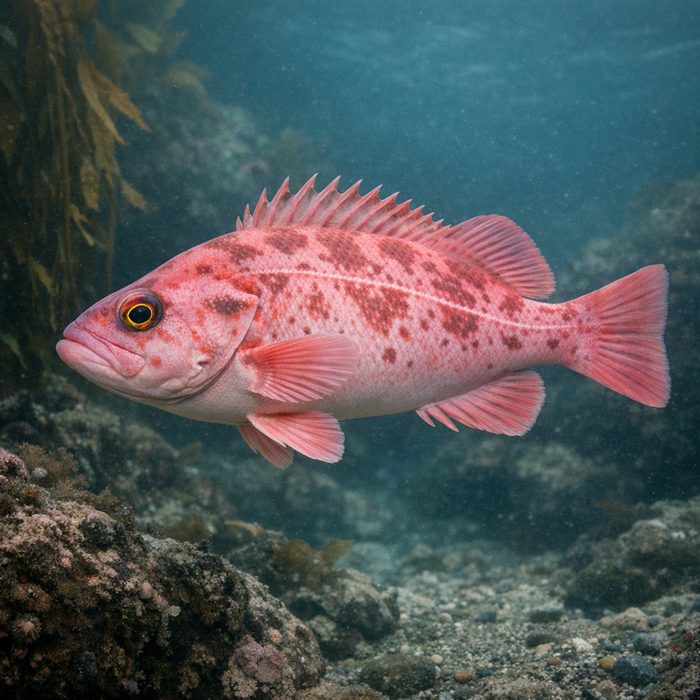
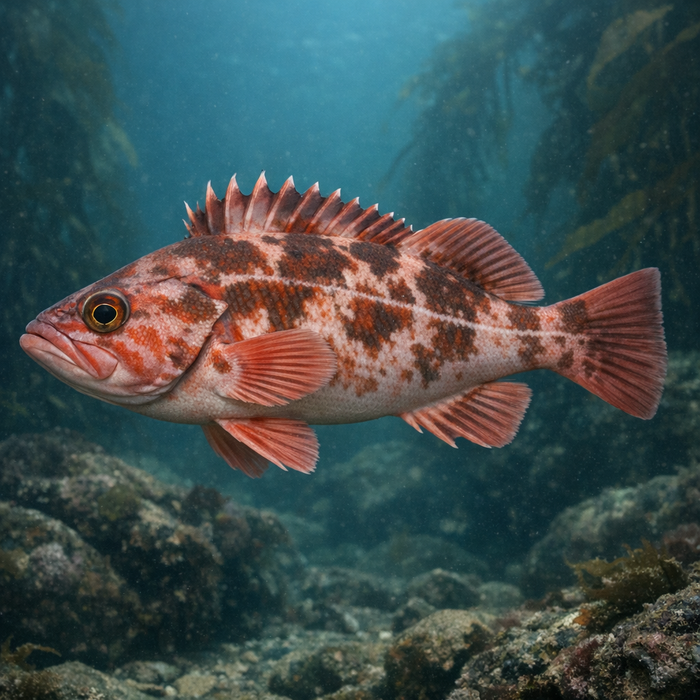
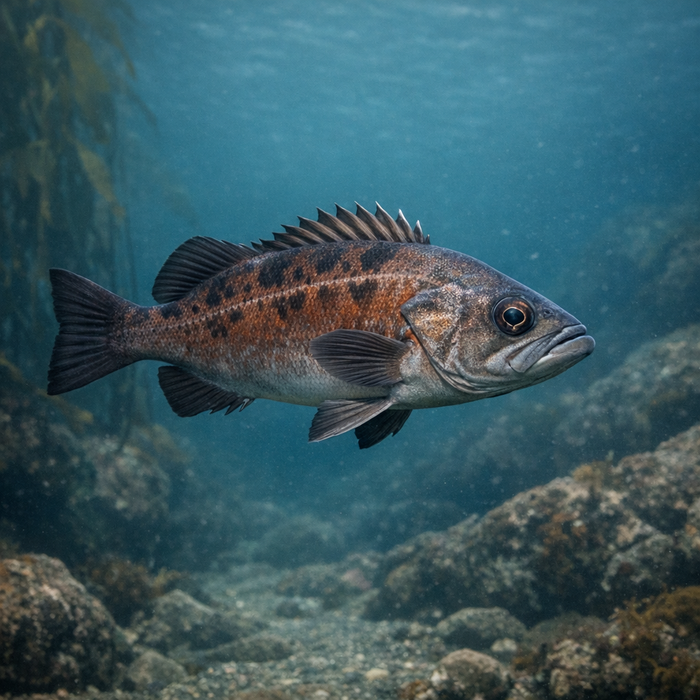
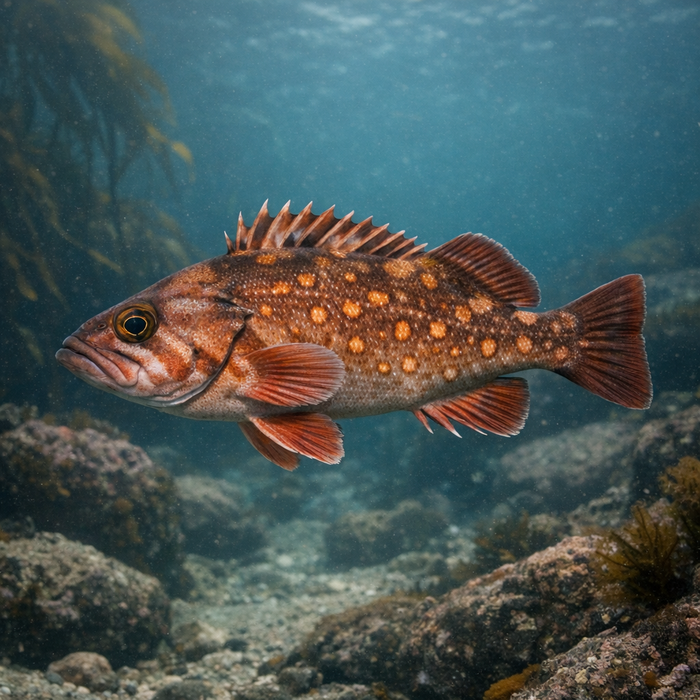
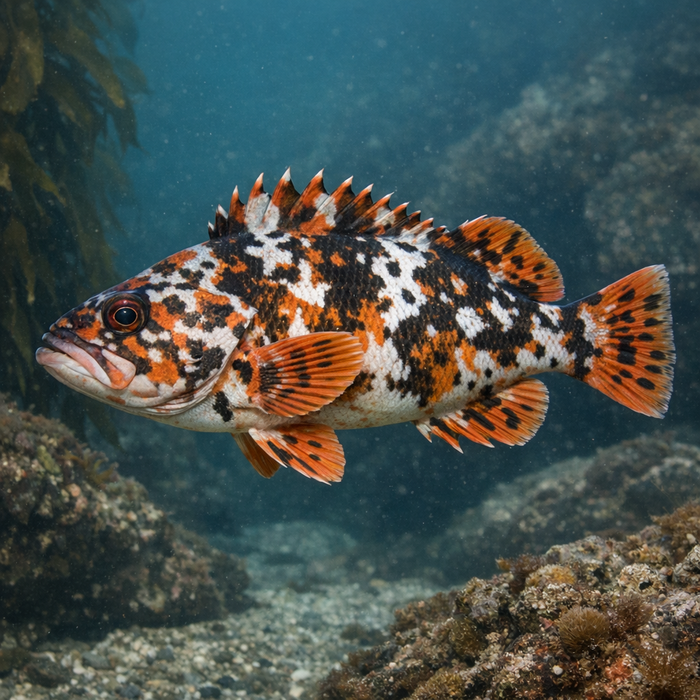
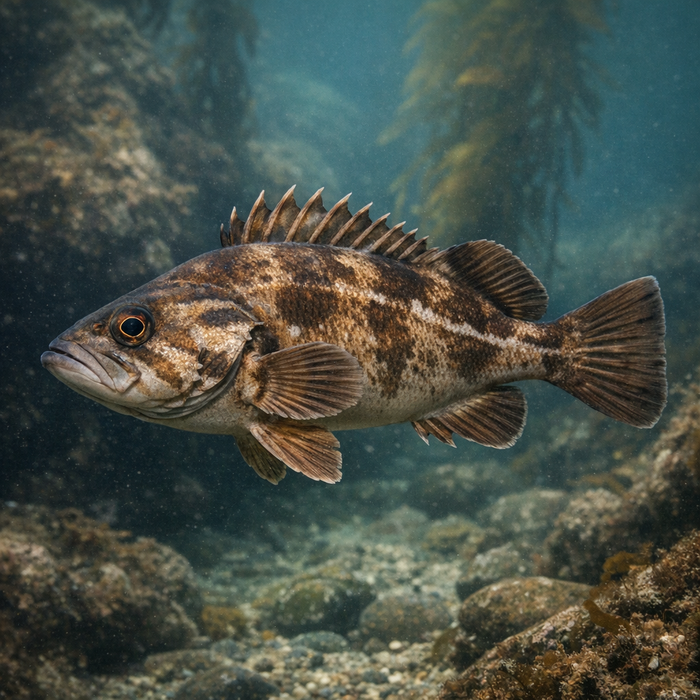
Splitnose Rockfish (Sebastes diploproa): Fork-jawed deep-slope specialist with serious longevity.IntroductionIf you like oddball details, the splitnose rockfish delivers right out of the gate. Its lower jaw looks like someone zipped it down the middle, creating a funky notch that inspires its name and makes every close-up memorable. It's a deep-slope resident, tough as a boot, and one of those West Coast characters that shows up in groundfish mixes, then stares back at you with big eyes that say yeah, I've seen some things. Here are the Splitnose rockfish facts that matter to anglers who actually fish.What Makes the Splitnose rockfish Unique?Start with the mug. That split lower jaw isn't just a naming gimmick; it's a genuine anatomical quirk among rockfishes and makes IDs far easier when fish hit the deck in a mixed bag. They're also livebearers, releasing clouds of larvae rather than laying eggs, which is peak rockfish weirdness and helps them time reproduction to ocean conditions. Finally, they're sneaky-old. Like many Sebastes, splitnose age slowly and can live for decades. That slow life history means they aren't built for heavy harvest pressure, but it also gives them time to home in on productive slopes and canyons where food funnels past like a conveyor belt.Habitat & Global RangeTalking Splitnose rockfish habitat means thinking relief and depth. They haunt the continental shelf edge and upper slope from Alaska down the West Coast, especially around breaks, outcrops, and canyon rims where current delivers groceries. Depths are typically several hundred feet, and on the deeper end of what weekend anglers target. Don't picture coral gardens; think rock-to-mud transitions, ledges, and the kind of contours that make charts look like topographic art. The species shows up in trawl hauls and deep-drop catches along this entire stretch, season after season, wherever conditions and management allow access.Behavior & TemperamentSplitnose aren't sprinters; they're grinders. You'll often mark them as stacks or scattered bands off bottom, sometimes schooling by age like a stratified layer cake. They're opportunistic predators that pick off crustaceans, squid bits, and small fish pushed along by current. The bite is typically a thump followed by weight, not a blistering run. Presentation finesse matters less than placement: get your rig in the zone and keep it there through the drift. When current slackens, they suspend and regroup; when it pulses, they feed with more purpose. Think medium aggression, low drama, high efficiency.Ecological ImportanceAs a mid-level predator, the splitnose rockfish turns drifting zooplankton and small nekton into calories for bigger players. Juveniles spend time higher in the water column before settling deep, which spreads their ecological role from surface to slope. In turn, they become prey for sablefish, halibut, and big piscivores that cruise the same contours. Their long lives and slow growth make them walking time capsules for ocean conditions, and their larvae pulse through food webs during seasonal booms.Conservation & Environmental PressuresThe slow-and-steady life plan cuts both ways. Splitnose rockfish can rebound if managed well, but overfishing or chronic bycatch hits them hard because replacements take time. West Coast groundfish management has tightened considerably, with depth-based seasons, area closures, and gear rules that shape when and how anglers interact with deep rockfishes. Add shifting currents, expanding low-oxygen zones, and changing prey fields, and this slope specialist faces a moving target. Responsible handling matters at depth: barotrauma is real, so descending devices aren't optional hardware; they're part of being a grown-up angler.The FishyAF TakeThe splitnose rockfish is the deep-drop equivalent of a reliable lunch pail. It doesn't headline tournaments and won't peel 100 yards of drag, but it shows up, chews if you do your job, and turns into flawless tacos back at the dock. If you fish the slope with heavy jigs or bait, you'll cross paths with them often enough to get picky about drifts and structure lines. Handle them with respect, descend the ones you're not keeping, and enjoy the weird, wonderful jaw on the ones you do. It's not flashy. It's honest fishing that rewards precision more than swagger, and we're here for it.