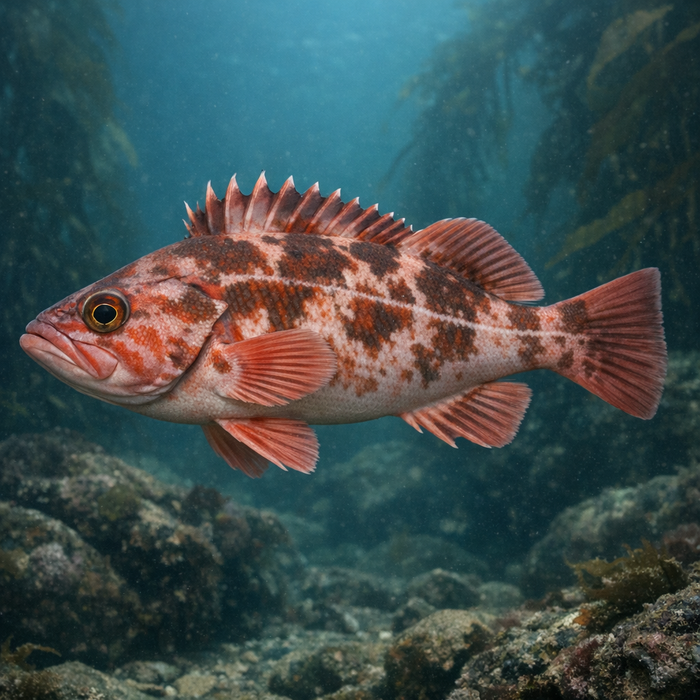
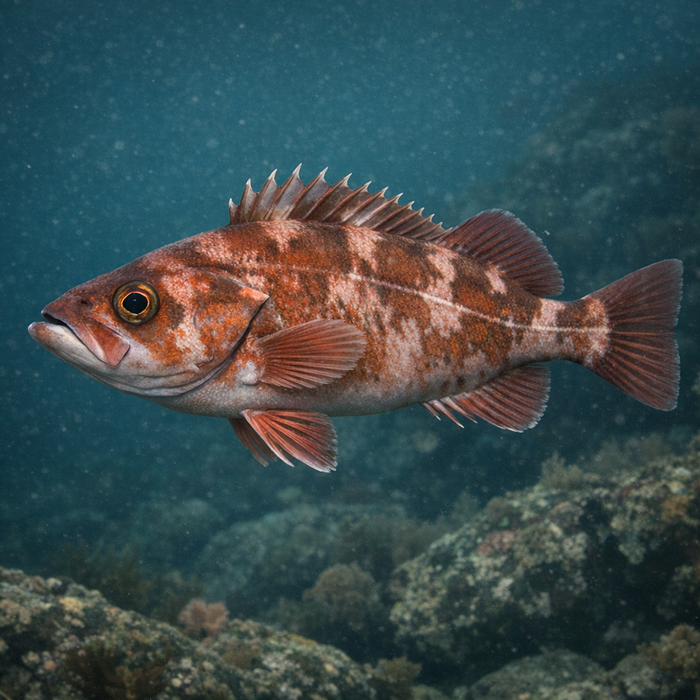
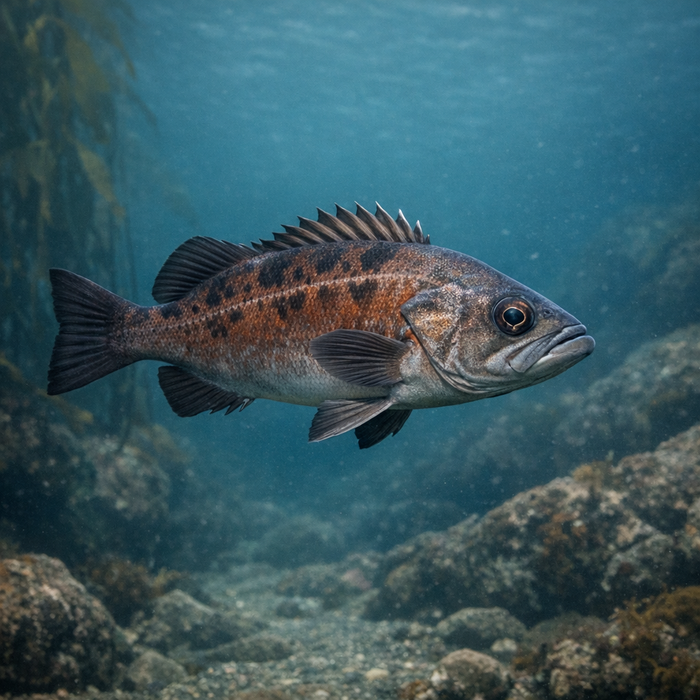
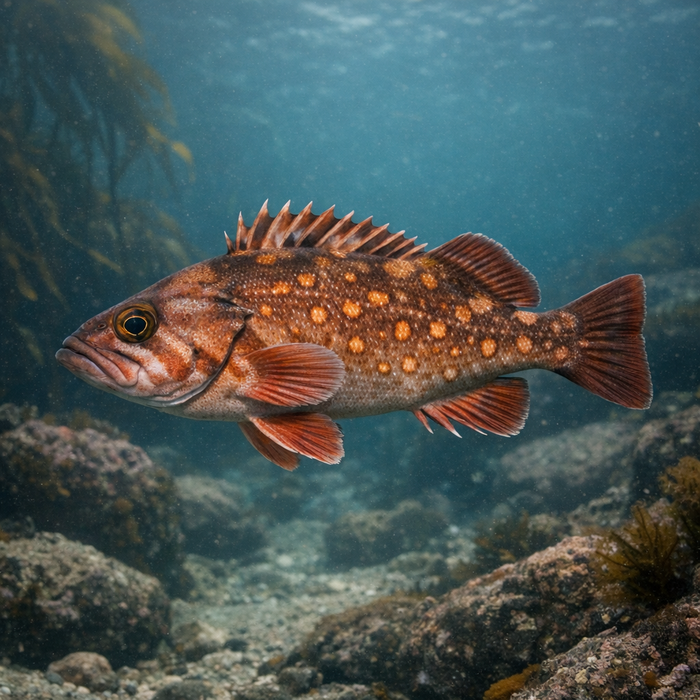
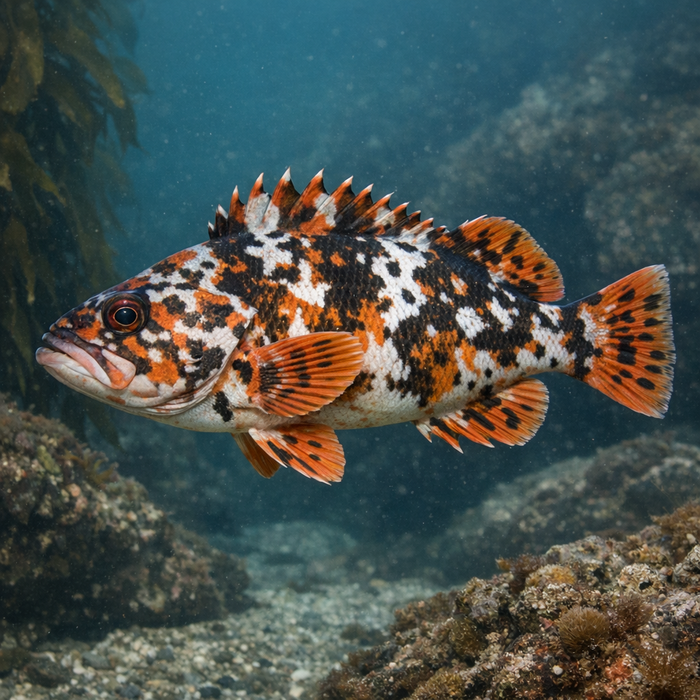
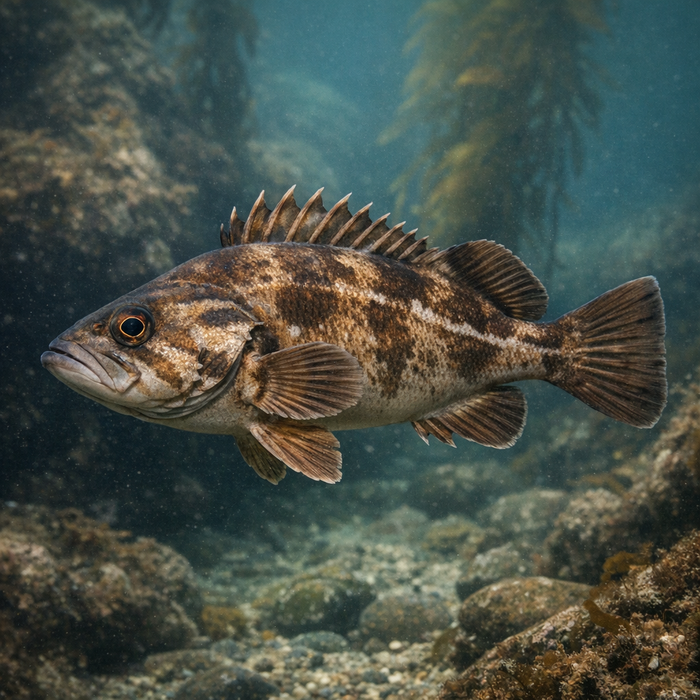
Pink rockfish (Sebastes eos): A Bold, Memorable Hook LineIntroductionThe pink rockfish is a deep-set specialist with a rosy glow and a serious taste for structure. It isn't the flashiest fighter in the Pacific, but it's a reliable ticket to the gnarlier edges of the continental shelf, where currents push, weights thud bottom, and electronics actually matter. If you want real pink rockfish facts and an honest read on what makes this species tick, you're in the right canyon.What Makes the Pink rockfish Unique?Two things: a dawn-tinted paint job and a life strategy built for the long game. The scientific name Sebastes eos literally nods to sunrise hues, which show beautifully under a deck light. Beyond looks, the pink rockfish grows slowly, matures late, and can live for decades. That mix of patience and depth favors individuals that pick their moments. They often suspend above rugged relief rather than plaster to the bottom, setting them apart from strictly rock-hugging cousins.Habitat & Global RangeThink outer shelf and upper slope: deep rocky reefs, canyon lips, and broken high-relief contours that collect current and groceries. The pink rockfish habitat sweet spot typically starts a few hundred feet down and can run much deeper, especially off the Pacific Coast from Alaska through British Columbia and down into California and Baja. They're structure loyal but not static, sliding vertically with conditions and sometimes stacking midwater over pinnacles when bait is up.Behavior & TemperamentPink rockfish are calculated eaters. They're not bulldozers like lingcod, nor skittish like shallow kelp dwellers. Instead, they key on ambush lanes and slack pockets, pouncing when jigs or baits hover just right. Their big eyes are tuned to dim light, and they'll often hit on the lift rather than the drop. Expect a determined dog-on-a-leash pull that fades as barotrauma kicks in during the ascent. They're social enough to cluster, which is why one dialed mark can cough up multiple fish fast.Ecological ImportanceDeep reef communities are slow-motion ecosystems. Pink rockfish sit mid-chain, translating small fishes and invertebrates into food for larger predators while contributing to the complex energy budget of slopes and canyons. Their long life and late maturity make them reliable anchors in a neighborhood that doesn't rebuild quickly. When you see a steady class of pink rockfish on a spot, it usually means the system has been functioning for years.Conservation & Environmental PressuresSlow growers are easy to outfish if you're not careful. That's why management often groups pink rockfish within depth- or area-based rockfish complexes. Barotrauma is the ever-present hazard, so descending devices aren't optional gear; they're basic ethics. Habitat damage from heavy bottom contact and shifting ocean conditions add pressure. The smartest play is selective harvest, correct ID, and releasing deeper fish promptly and properly.The FishyAF TakePink rockfish are the quiet proof your offshore electronics are earning their keep. They reward anglers who can read contours, manage current, and keep a jig in the strike zone without skating. They're not glory fish, but they are honest fish: reliable, tasty, and a sharp test of deep-drop discipline. If you like the idea of building a bite from pixels and physics, the pink rockfish will be your kind of grind.