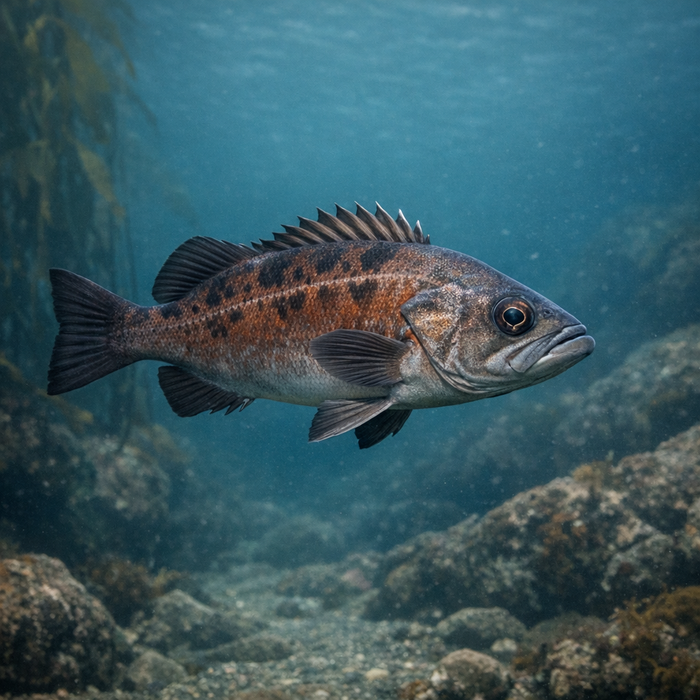
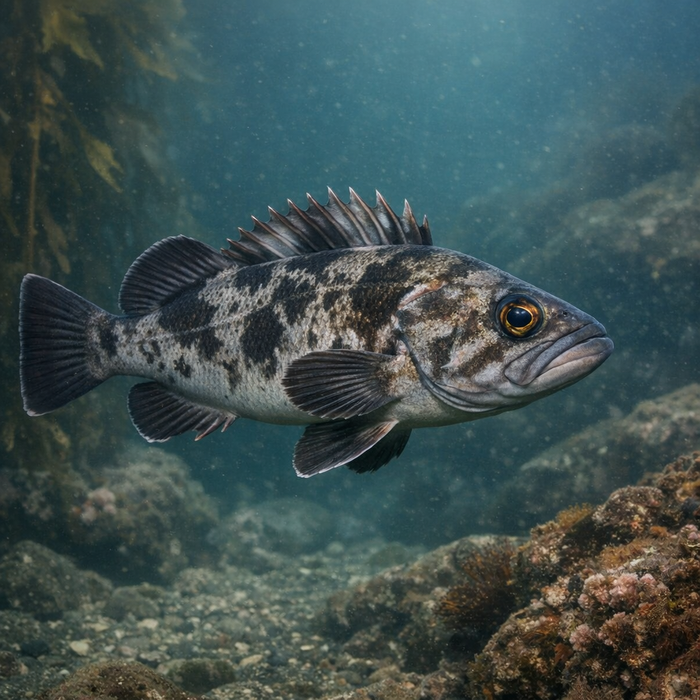
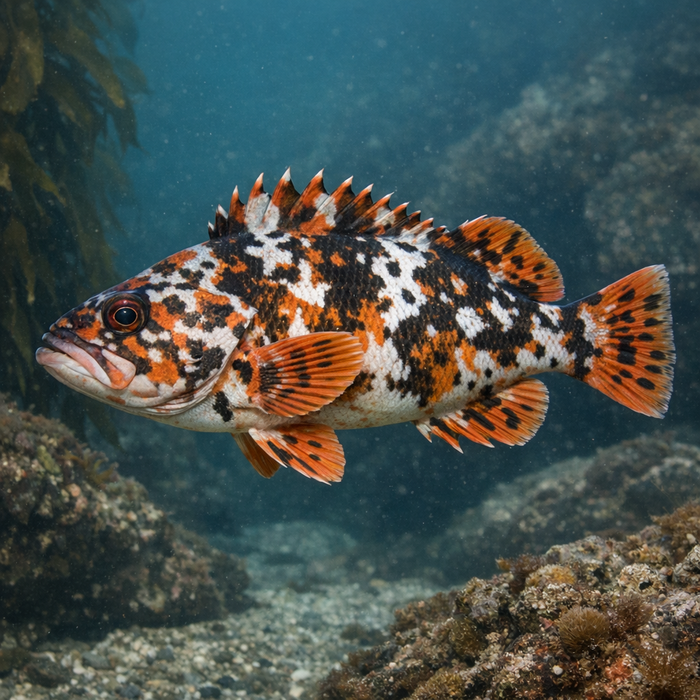
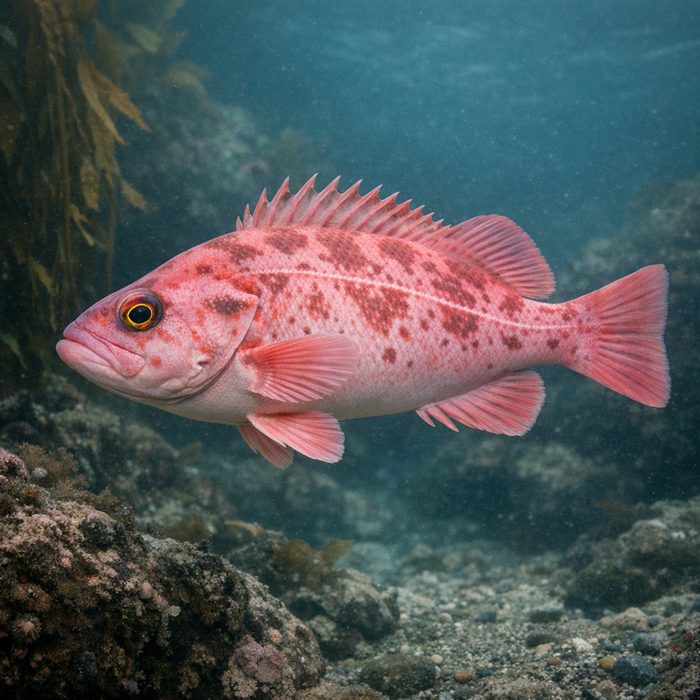
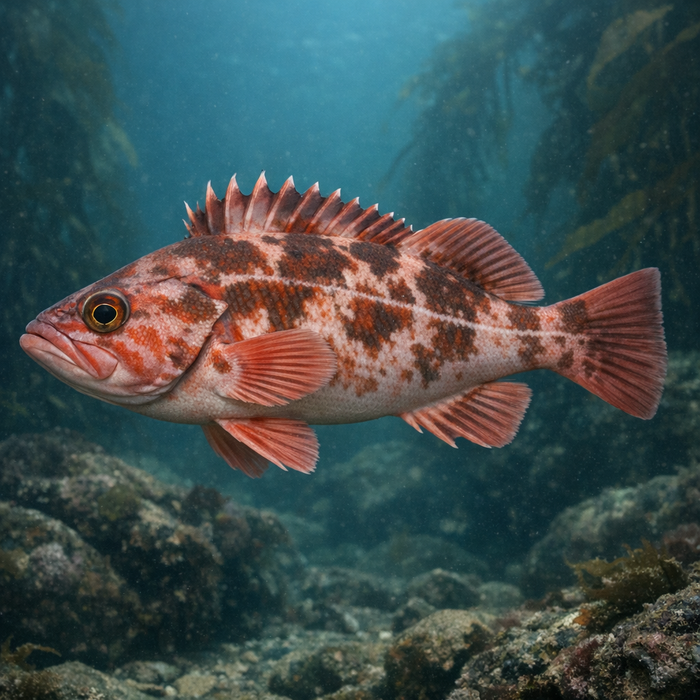
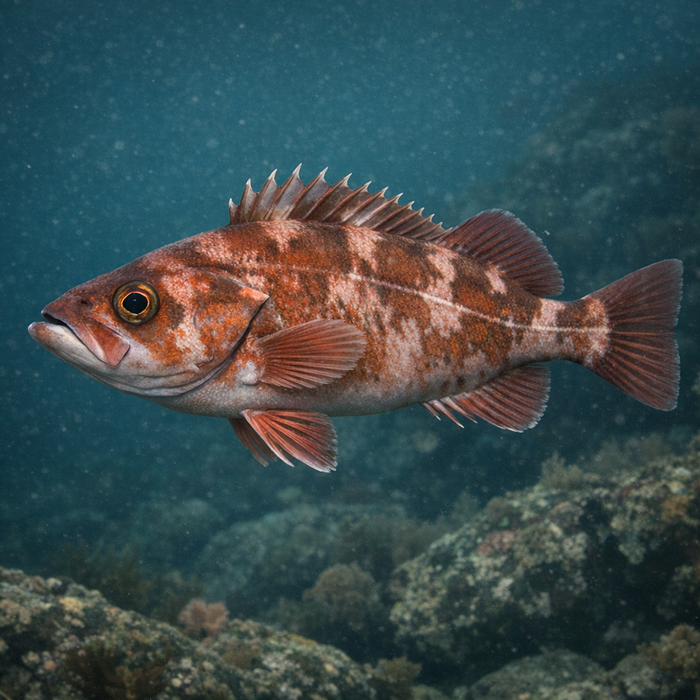
Bronzespotted Rockfish (Sebastes gilli): Deepwater freckles, stubborn attitude, and serious structure addictionIntroductionThe bronzespotted rockfish is the quiet kid in the West Coast class photo: not the biggest, not the flashiest, but undeniably cool once you know what you're looking at. Those scattered bronze freckles over chocolate-brown flanks are more than a paint job; they're a calling card for a deep-reef specialist that lives glued to hard structure and shrugs off currents most fish avoid. For anglers who chase variety, this species is a satisfying checkmark and a window into real-deal deepwater ecology.What Makes the Bronzespotted rockfish Unique?Start with the look. The bronzespotted rockfish wears truly distinctive spotting that stands out in mixed bags of reds, coppers, and stars. The body is deep and armored with stout, sometimes venomous spines, but the attitude is all bulldog. Hook one and you'll feel an immediate plunge for the rocks, followed by stubborn head shakes. Like other Sebastes, it's livebearing, which is unusual for marine fishes, and that reproductive strategy shapes everything from seasonal timing to how offspring drift into their first year. Add in unusually large eyes for its size, tuned to blue-green wavelengths, and you've got a specialist built for the dark.Habitat & Global RangeIf you're hunting bronzespotted rockfish habitat, think deep structure. This species clings to rocky reefs, ledges, pinnacles, and bank edges along the southern West Coast and northern Baja corridor. It prefers broken hard bottom over sand, often staged on the down-current side where relief creates eddies. You won't see them cruising the kelp canopy; they're a bottom-oriented customer that holds tight to the goods. Weather windows, current lines, and safe anchoring or controlled drifts determine how fishable these zones get. Want Bronzespotted rockfish facts in one sentence? If the sonar shows jagged rock in real depth, you're in the neighborhood.Behavior & TemperamentBronzespotted rockfish are classic ambush predators. They don't roam far, but they'll rise a body-length or two to crush a bait, then bear down for the bottom. Bites are often solid thumps followed by dead weight that pulses. They school loosely around structure, sometimes layering at multiple depths on a single piece. Peak activity typically brackets low light windows, but when current and drift align, these fish will chew midday. They play ugly with barotrauma when hauled fast from deep water, so plan your release gear before the first drop.Ecological ImportanceRockfish are the slow-and-steady accountants of the reef: long-lived, conservative growers that cash out reproduction over time. The bronzespotted rockfish slots neatly into that role, mopping up crustaceans and small fish while feeding bigger predators. Its fidelity to structure concentrates biomass, making it a keystone player on deep banks where not much else thrives. Because it produces live larvae, timing and ocean conditions can make or break year-classes, which in turn ripple through the food web.Conservation & Environmental PressuresDeep-reef residents dodge many coastal problems, but they're not invincible. Fishing pressure, even moderate, can dent local pockets because site fidelity keeps them near harm's way. Variable ocean conditions affect larval survival, and barotrauma can tank release survival if anglers aren't prepared. Management frameworks on the West Coast have improved rockfish outcomes by setting seasonal depth rules and protected species carve-outs, but accuracy in species ID still matters. When in doubt, measure twice, photo once, and consider descending devices standard gear.The FishyAF TakeThe bronzespotted rockfish is a connoisseur's catch. You earn it with smart boat control, precise drifts, and clean vertical presentations. It won't torch a drag, but it will bulldog and try to grind you into the ledge. If you like rugged structure, tidy tackle, and the satisfying clunk of a deep-bite rod load, this fish is your jam. Bronzespotted rockfish habitat is not for the lazy; it rewards anglers who plan the drop, respect the depth, and bring the right tools to fish and release responsibly. Understated? Sure. Forgettable? Not a chance.