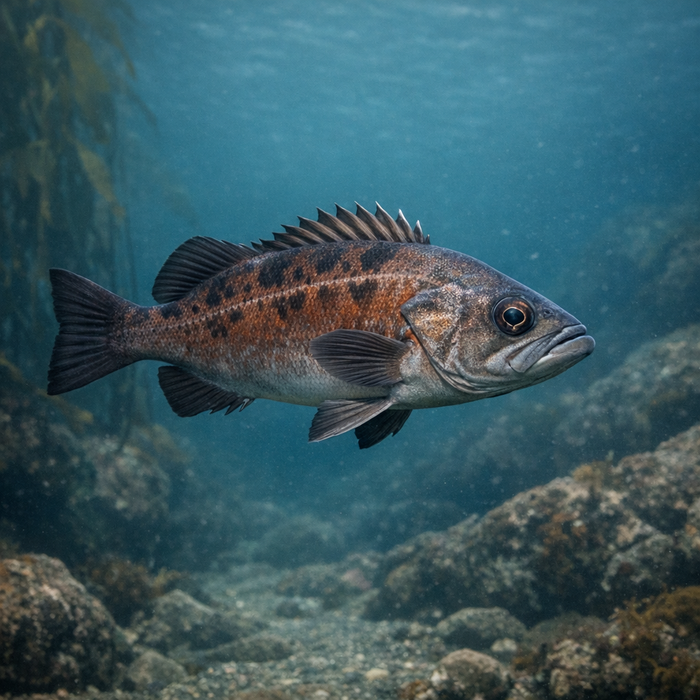
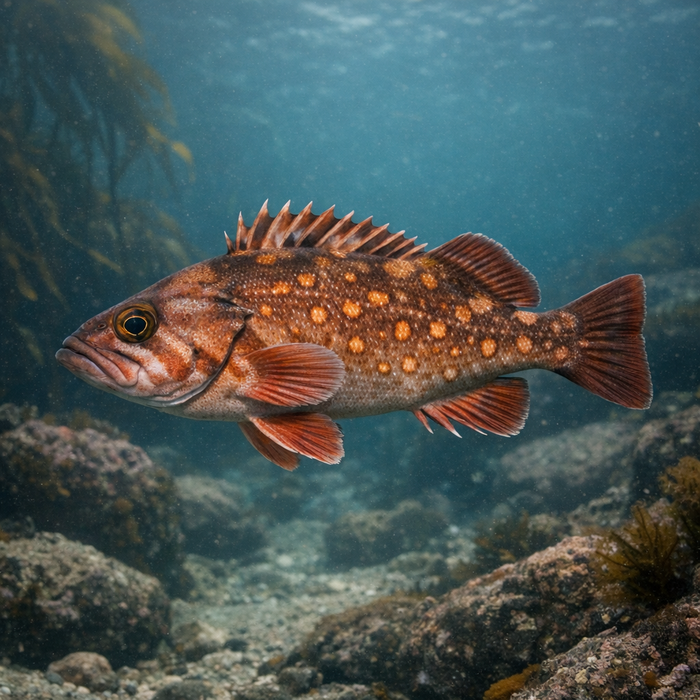
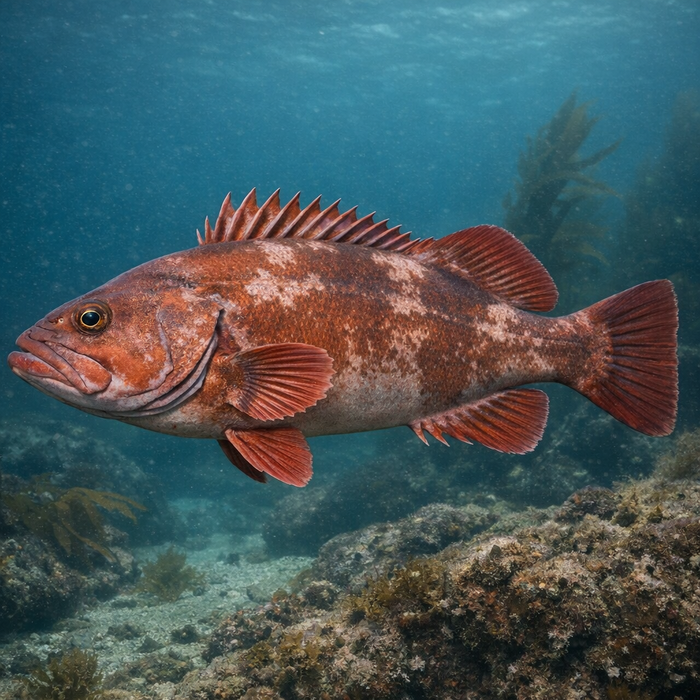
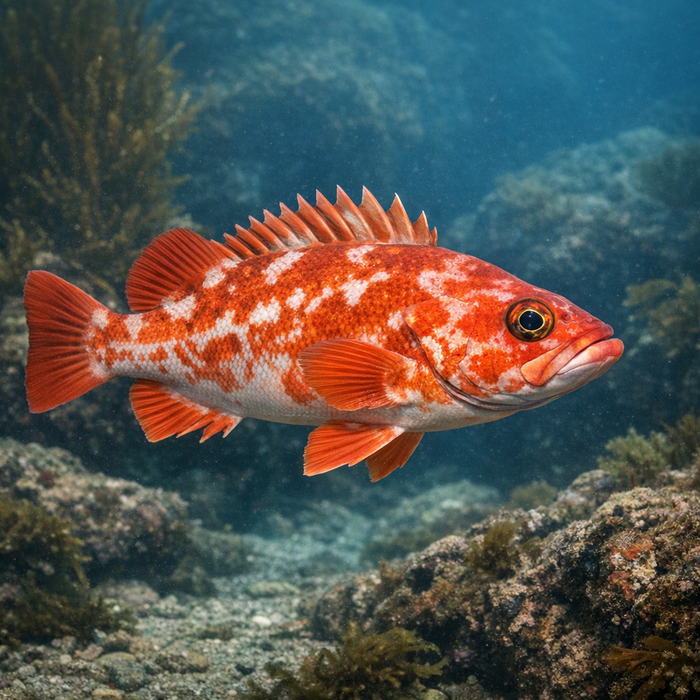
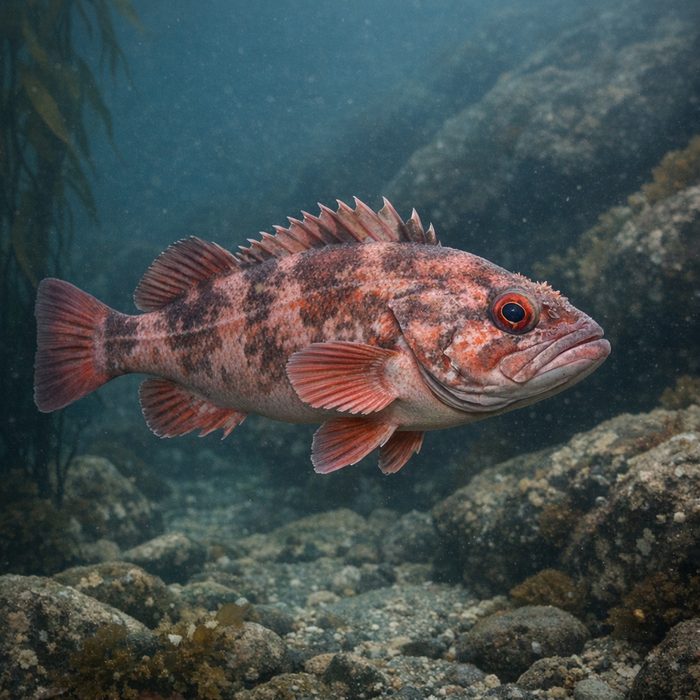
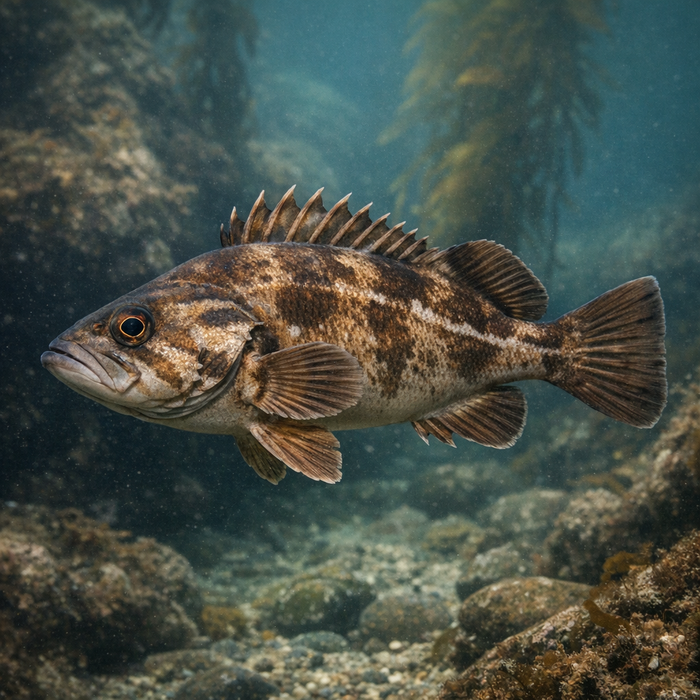
Darkblotched Rockfish (Sebastes crameri): Inky-saddled slope dweller with surprising longevity and serious deepwater attitudeIntroductionThe darkblotched rockfish is the chunky, ink-stained bruiser that lives where daylight quits and the slope gets real. If your idea of fun is dropping lead until your shoulders whine, this is your fish. It is not flashy like a yellowtail, but it is built for the grind: slow-growing, long-lived, and perfectly adapted to broken rock on the outer shelf. Anglers who chase darkblotched rockfish learn patience, rig discipline, and the fine art of feeling bites through hundreds of feet of braid.What Makes the Darkblotched rockfish Unique?Start with the paint job. Those big, dark saddles look like someone went wild with a spray can, blotches merging into X-shapes across a pale body. Then there is the lifespan. Many individuals outlive anglers, with ages that stretch for decades. Like other Sebastes, the darkblotched rockfish is viviparous: females brood embryos internally and release live larvae. That slow, careful life history is why they were once hammered by trawl fleets and why modern management treats them with kid gloves. Add a mouth built for vacuuming shrimp and small fish off rugged structure, and you get a deepwater specialist that rewards precision.Habitat & Global RangeIf you are searching for darkblotched rockfish habitat, think outer continental shelf and upper slope in the North Pacific, especially the U.S. West Coast and Alaska. They prefer steep, broken terrain: rock piles, ledges, canyon shoulders, and patchy hard-bottom surrounded by softer sediments. Depth is the dealmaker. Most action happens a few hundred feet down to well over 800 feet. Submarine canyons and banks concentrate current and prey, turning small rock spines into feeding stations. You are not likely to luck into one from a pier. Boat access and decent weather windows are the gateway to this game.Behavior & TemperamentDarkblotched rockfish are not wanderers. They show strong structure fidelity and set up shop on productive edges. Schooling is loose and practical: groups gather around relief or current seams, often stacked at very specific depth bands. Bites can switch on and off with tide pulses, but these are not fussy surface hunters. Strikes feel like a heavy thump followed by stubborn headshakes. Expect a dogged, vertical tug-of-war more than blistering runs. Barotrauma is real at these depths, so a descending device is standard kit for ethical releases.Ecological ImportanceThis species stitches together deep-slope food webs. Adults pick off shrimp, squid, and small fish, converting current-borne prey into protein higher up the chain. Larvae drift with plankton before settling, fueling pelagic diets along the way. Long lifespans make darkblotched rockfish sensitive to overharvest but also valuable as indicators. Their otoliths archive ocean conditions like tiny hard drives, helping scientists decode regime shifts. If you are searching for Darkblotched rockfish facts, longevity and late maturity sit right near the top.Conservation & Environmental PressuresDarkblotched rockfish were declared overfished in the early 2000s, then rebuilt through strict quotas, gear changes, and closed areas. That rebound is a big West Coast win. Still, caution rules the day. Slow growth means recovery takes time if pressure ramps up. Habitat disturbance on the slope, variable recruitment, and bycatch dynamics all matter. The upshot for anglers: seasons, depth constraints, and sub-bag limits are a thing. Learn them. Honor them. This is a fish that paid dearly for our lessons.The FishyAF TakeThe darkblotched rockfish is blue-collar deepwater fishing at its best. It will not blister drags, but it will test your feel, your rig, and your patience. Dial in current, ride the edge, and keep your braid vertical. When that thump turns into weight and those headshakes start, you are plugged directly into the slope. Looking for more Darkblotched rockfish facts? Here is one: catching them consistently is more about boat control and bottom reading than magic lures. Respect the fish, descend what you release, and embrace the grind. This is the kind of species that makes deep structure addicts out of sensible people.