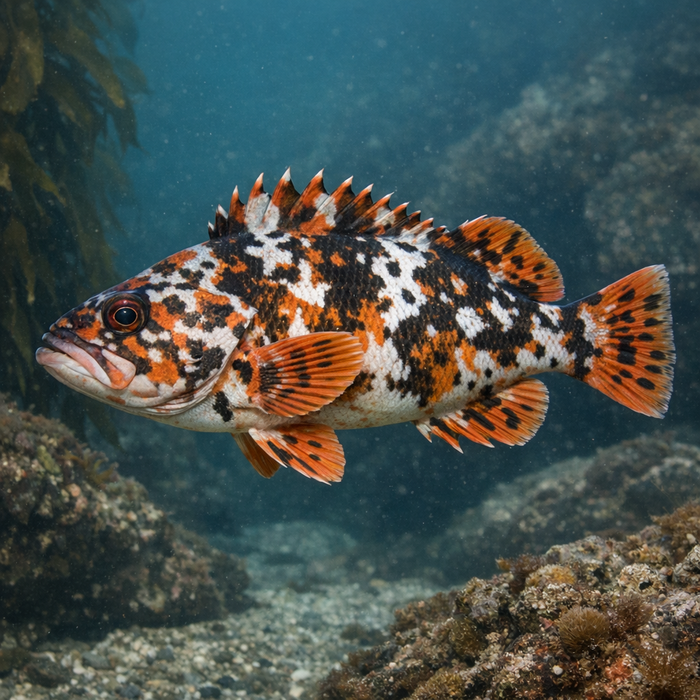
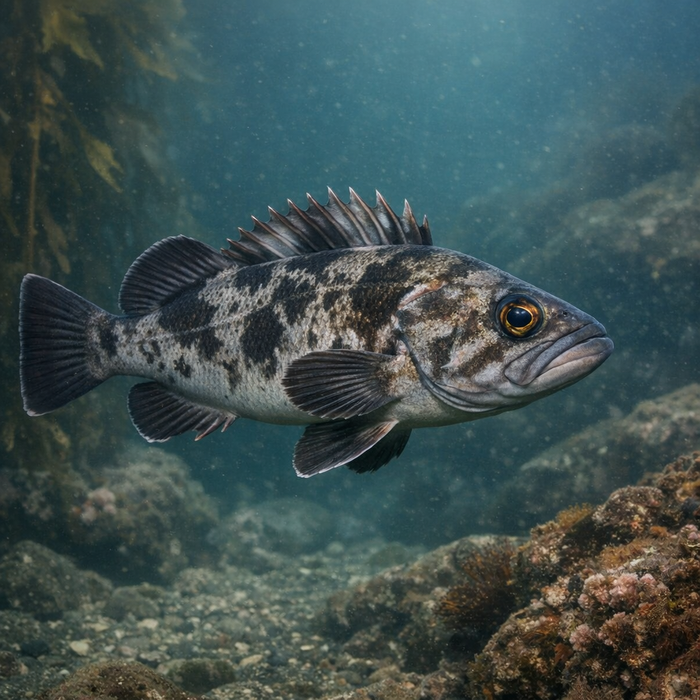
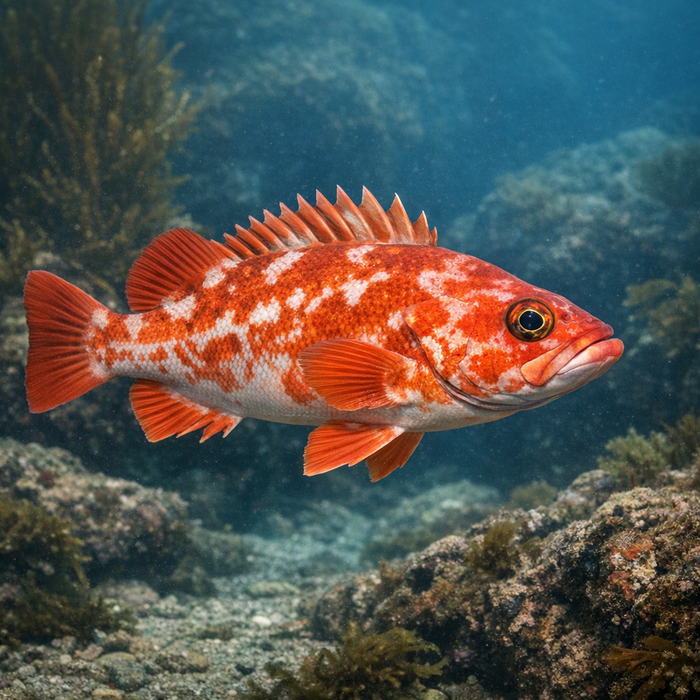
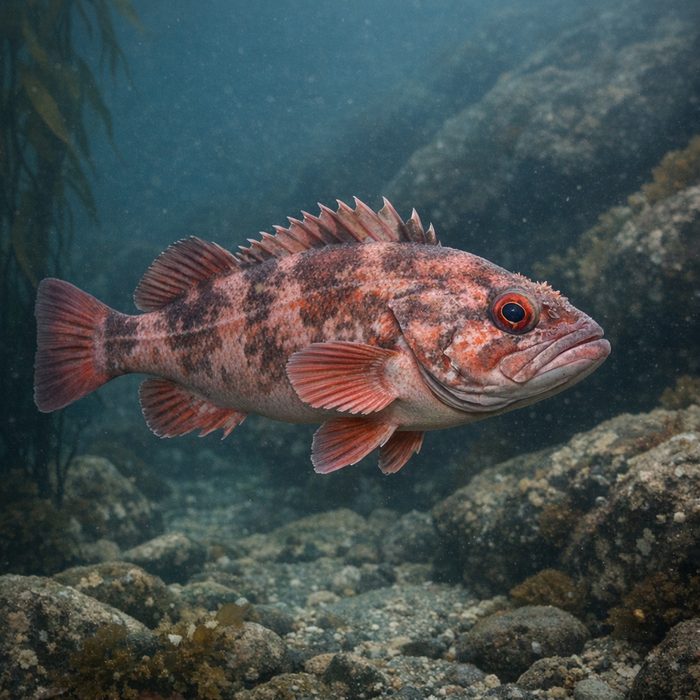
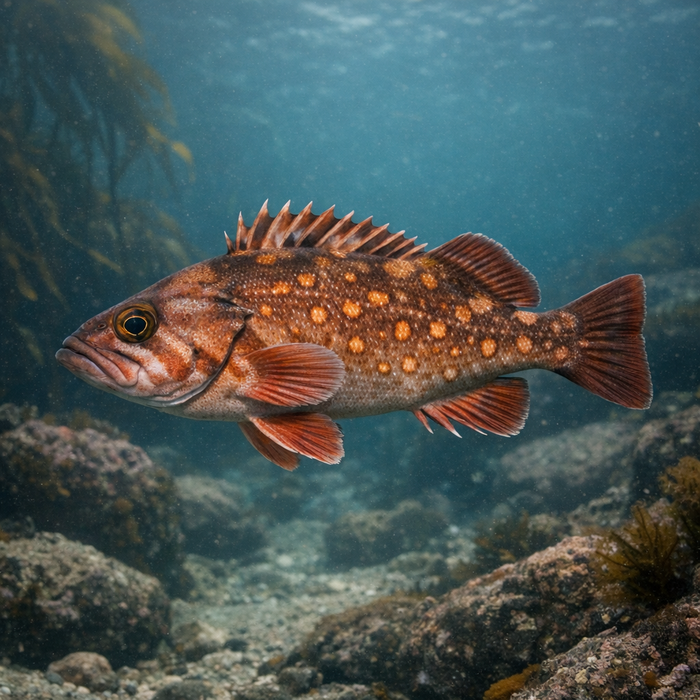
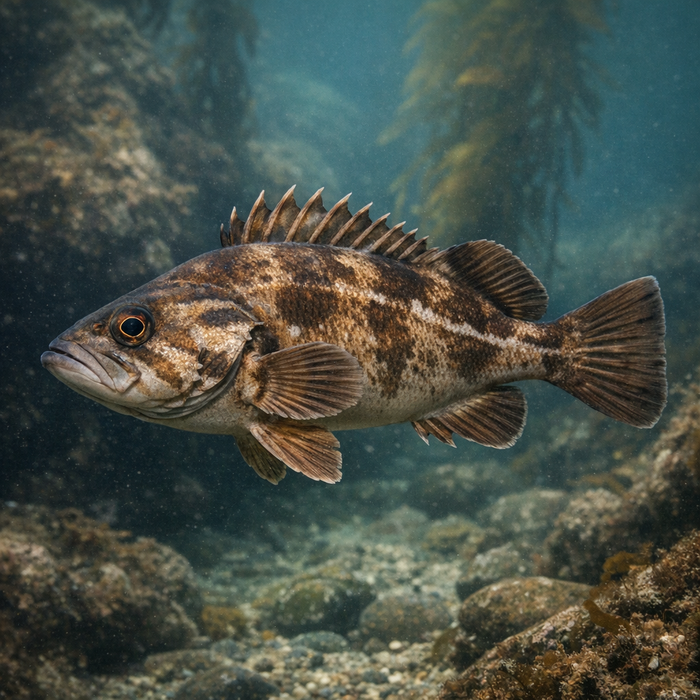
Cowcod (Sebastes levis): A Bold, Memorable Hook LineIntroductionBig head, big attitude, bigger story. The cowcod is the bruiser rockfish that forced California to redraw the map, close massive zones, and then made a comeback strong enough to headline fisheries meetings. If you like deep structure, heavy metal, and fish that look like they bench-press crabs, the cowcod has your number. Here are the Cowcod facts anglers actually care about.What Makes the Cowcod Unique?Start with size. Among Pacific rockfishes, cowcod rank with the heavyweights, sporting a bulldog head, huge mouth, and dense, brick-house body. Theyre also painfully slow to grow and late to mature, which is why they crashed hard when people got too efficient at catching them. Add live-bearing reproduction and long lifespans, and you get a species that can produce jaw-dropping trophies but cant bounce back quickly if over-pressured. That paradox giant fish, fragile timeline is the core of the cowcod story.Habitat & Global RangeIf you want the quick version of Cowcod habitat: think deep, dark, and rocky. Cowcod gravitate to steep breaks, sharp ledges, offshore banks, and hard-bottom reef complexes from Southern California into Baja California. Classic zones include banks like Tanner and Cortes, plus rugged edges around the Channel Islands and Baja headlands. Depth is the deal-clincher. This species commonly parks between 200 and 600 feet, with adults often hugging structure where current delivers groceries. There isnt much shoreline game here; its boat-based, deep-drop territory with long runs and sloppy weather windows.Behavior & TemperamentCowcod act like the landlords of a ledge. They dont sprint around or blitz the surface. Instead, they hold tight to structure, ambush with a quick inhale-and-crunch bite, and fight like a stubborn boulder that occasionally shakes its head to remind you its alive. When they decide to eat, theyre decisive. When theyre off, you can ping every contour line on the plotter and still come up blank. Expect short, powerful runs, heavy leverage, and the occasional freight-train thump on a jig thats still dropping.Ecological ImportanceThis isnt just a trophy. As a long-lived, top-end reef predator, cowcod stabilize deep communities by clipping off mid-level species and shaping behavior on busy banks. They also broadcast live young, injecting pulses of new life into the plankton highway that eventually settles into juvenile nursery habitat. Lose the old cows and you dont just lose big fish; you scramble the age structure and resilience of entire deep-reef neighborhoods.Conservation & Environmental PressuresCowcod were hammered by deepwater effort and bycatch through the 20th century. The fix was dramatic: Californias Cowcod Conservation Areas closed huge swaths of ocean for nearly two decades. It worked. The stock was declared rebuilt in 2019, a rare, feel-good fisheries headline. That doesnt mean green light to pound them. The same life history that made recovery slow keeps risk high. Depth captures can cause barotrauma, so descending devices arent just smart, theyre part of fishing like an adult. Regulations still evolve by season, area, and depth, and Baja has its own rulebook. Check it, every trip.The FishyAF TakeThe cowcod is proof that fisheries can course-correct when anglers, managers, and science actually row the same direction. Its also proof that some fish deserve extra respect. Youre hunting a deep-reef monarch, not a disposable fillet with fins. Show up with the right gear, mind the current, watch your sounder like a hawk, and be ready to send a fish back down healthy if its not your day to keep one. Cowcod are back. Lets keep them back, and keep the legend growing for the next angler who grins at a screen full of rock and says, drop it here.