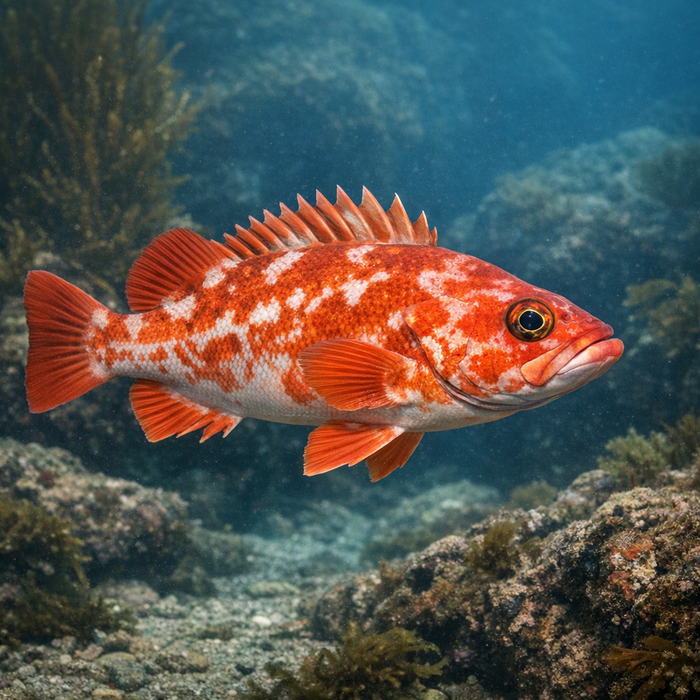
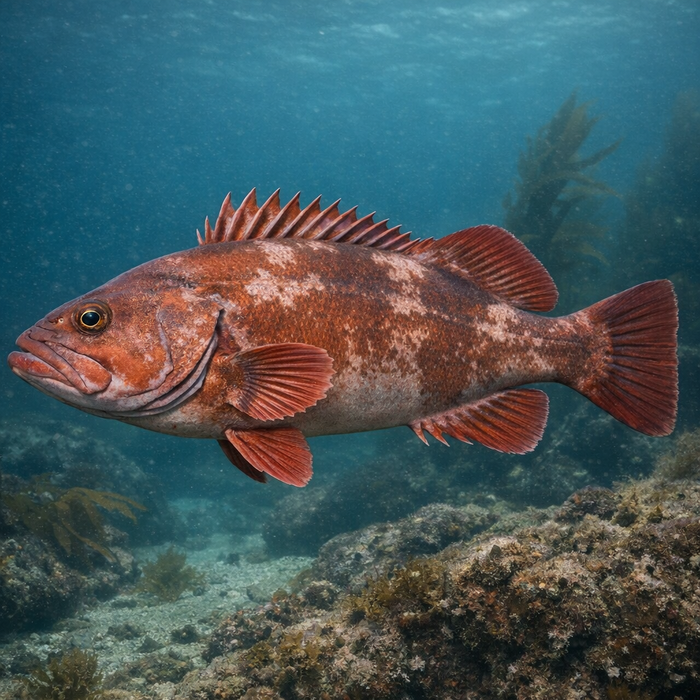
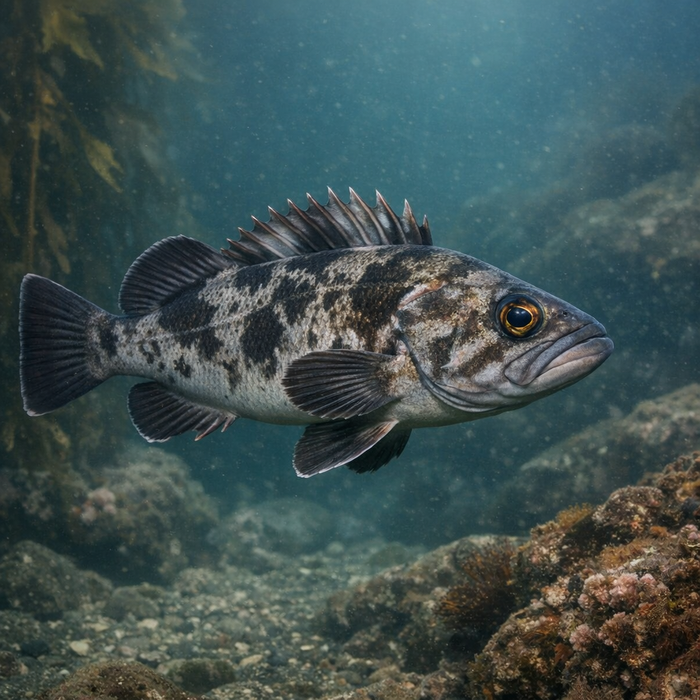
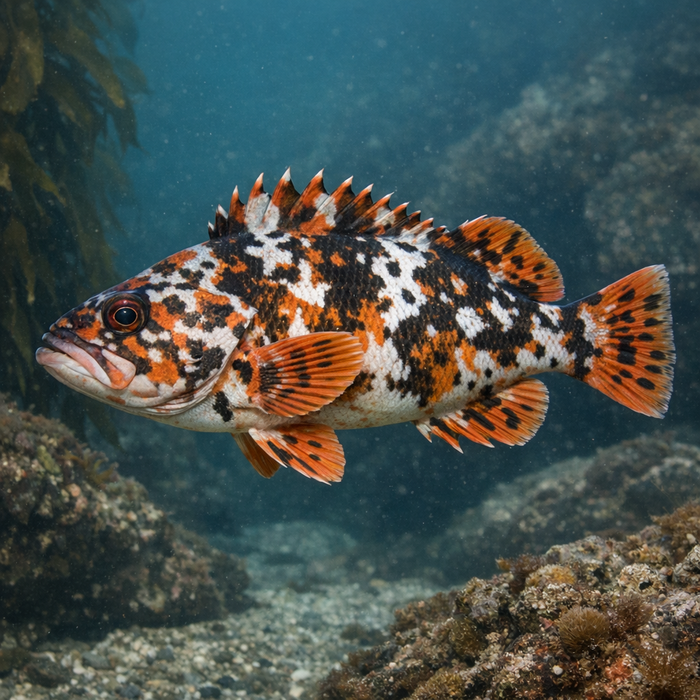
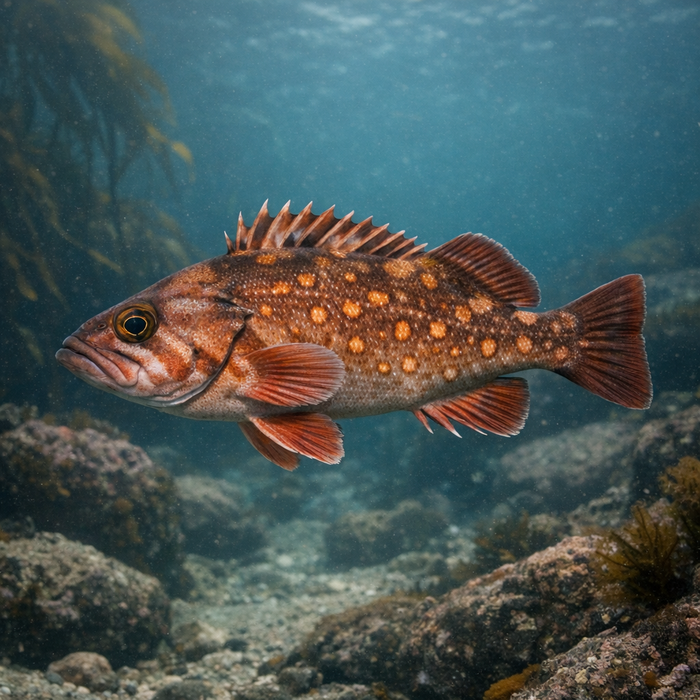
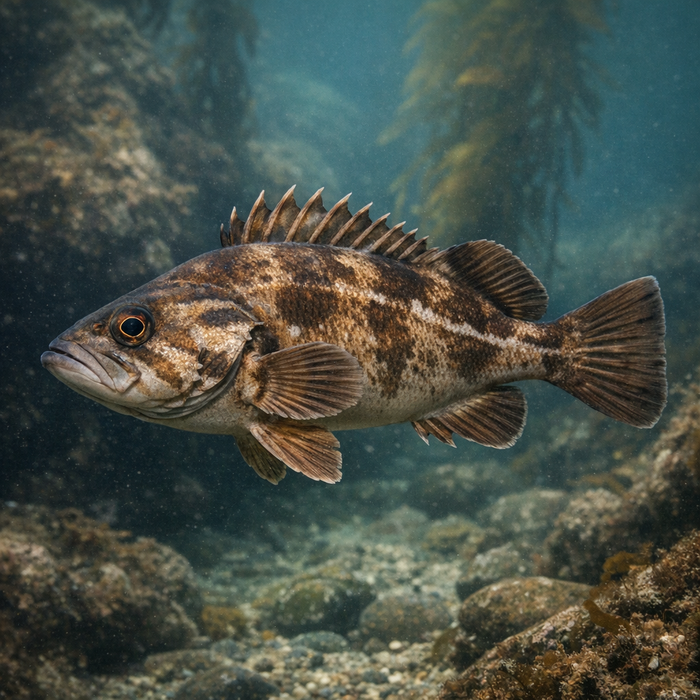
Rougheye Rockfish (Sebastes aleutianus): Patience Rewarded In A Thousand Feet Of Cold, Dark WaterIntroductionIf your idea of a good time includes heavy lead, braided line that sings, and a sonar screen lit up like a constellation, the rougheye rockfish is your spirit animal. This deep-slope specialist trades speed for stubbornness and age for attitude. You don't stumble into a rougheye; you go down to meet them on their turf and hope your shoulders hold up.What Makes the Rougheye Rockfish Unique?Start with longevity that borders on ridiculous. Verified ages over 200 years put the rougheye rockfish among Earth's longest-lived fishes. Second, they're live-bearers. Like other Sebastes, females release developed larvae, not eggs, and the biggest old females drive future recruitment. Last, they wear their name on their face-spiky suborbital spines under the eye give a gritty "sandpaper" feel, a field mark that matters when separating them from their lookalike cousin, the blackspotted rockfish.Habitat & Global RangeRougheye rockfish habitat is the continental slope and the kind of real estate most anglers only visit with lots of lead: steep rocky breaks, cobble, and boulder fields from roughly 300 to over 1,000 feet. They're a North Pacific story, stretching from Japan and the Kurils across the Aleutians and Gulf of Alaska down the West Coast, with density highest in the colder, craggier stretches. They tend to hold tight to structure, often in small groups, with limited roaming. If your sounder paints lumpy bottom on the shelf edge, you're finally speaking their language.Behavior & TemperamentRougheye are deliberate ambush predators. They won't tear 60 yards of line like a tuna; they thump, dog, and let the depth do the dirty work. Bites can feel like your lead bouncing until the rod just stays heavy. Barotrauma brings them up begrudgingly, which is why descending devices matter if you're releasing fish. Don't overthink finesse-precision matters more than poetry. Keep baits on the deck, hover jigs just off bottom, and let the structure tell you where to park.Ecological ImportanceLong-lived, late-maturing species are population time capsules. Rougheye rockfish are slow to replace themselves, so Big Old Fat Fecund Female Fish pack huge reproductive punch. They convert the slope's crustaceans and small fishes into calories for bigger predators and anglers alike. Their otoliths quietly archive centuries of ocean change-temperature, growth, and productivity-turning each fish into a datapoint from the deep.Conservation & Environmental PressuresHere's the rub: a species that takes decades to mature doesn't bounce back quickly. Stock assessments have generally kept rougheye rockfish in decent shape across much of Alaska and British Columbia, but localized overfishing, species misidentification with blackspotted, and depth-specific closures complicate management. Deep benthic habitats are also vulnerable to gear impacts. Smart regulations, careful species ID, and selective mortality practices keep this fishery steady.The FishyAF TakeYou fish rougheye rockfish the way you chase secrets: slowly, deliberately, and with absurd commitment. The best "Rougheye rockfish facts" aren't flashy-they're earned 800 feet down, one lift at a time. Dial in your sounder, respect the slope, and don't skip a descending device. For anglers who like their victories quiet and heavy, this is your fish. The rougheye rockfish may not scream drag, but it will test your planning and your spine, and that's a better story anyway.