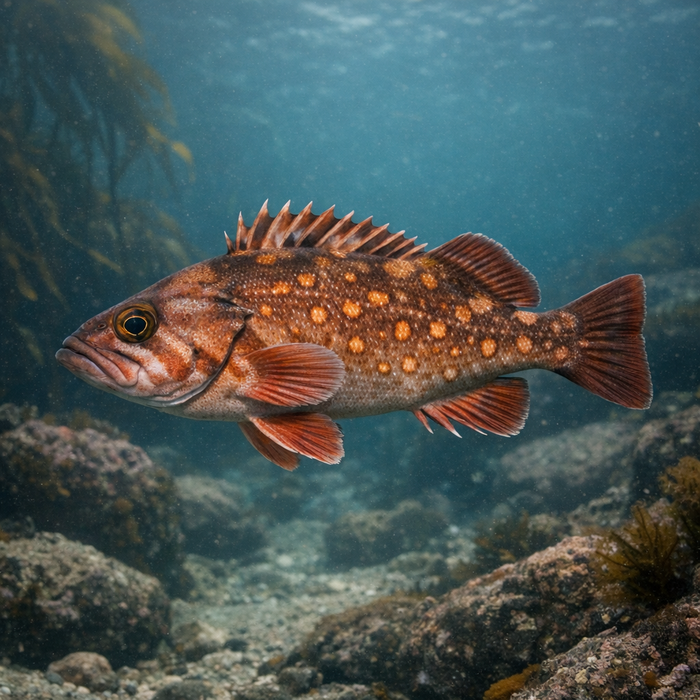
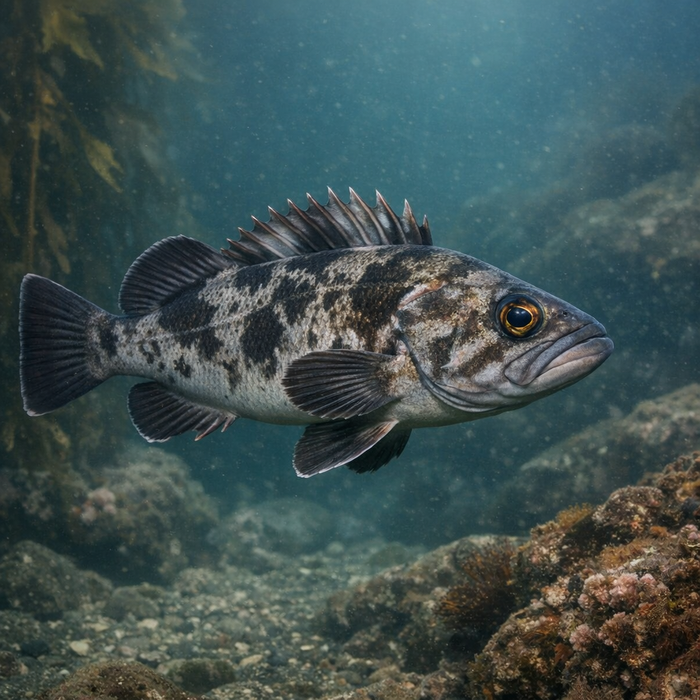
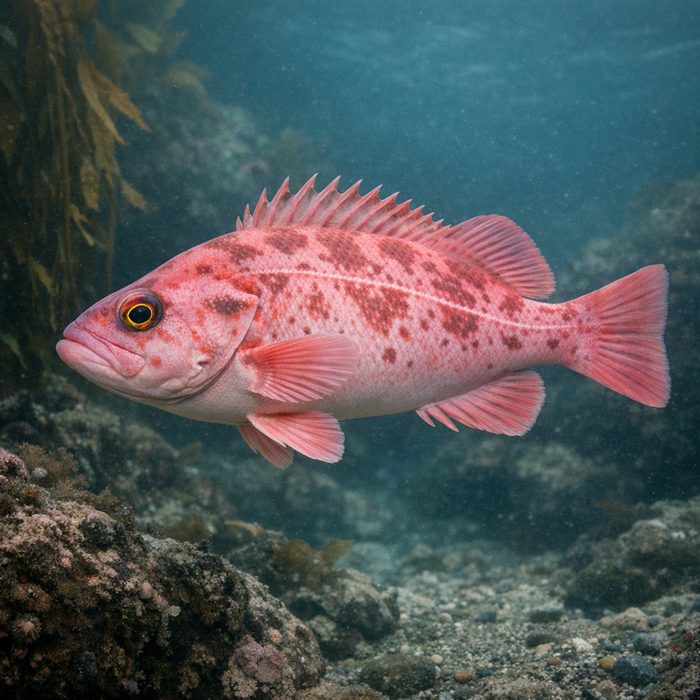
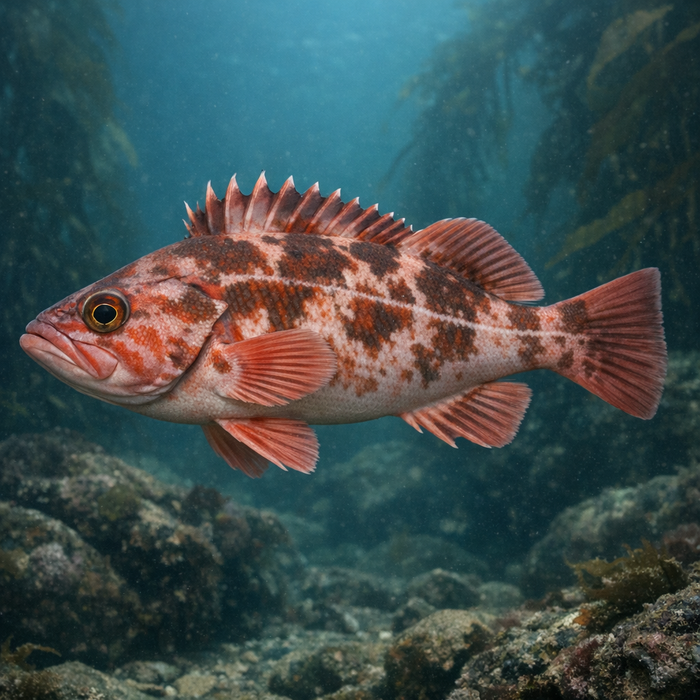
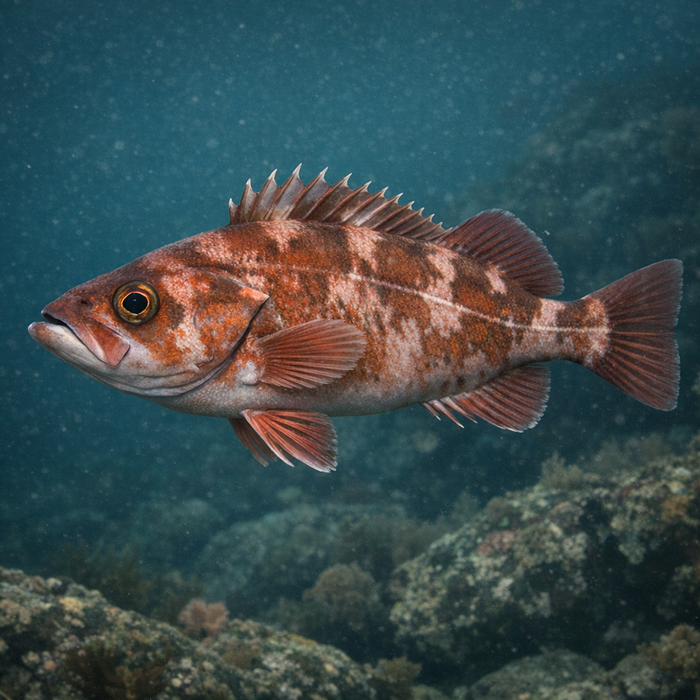
Widow Rockfish (Sebastes entomelas): Midwater bruisers with deep vibes and deeper schoolsIntroductionIf a fish could be a thunderhead, it would be the widow rockfish. These dusky Pacific stackers gather into massive midwater clouds, hammer anything that looks like a krill or anchovy, and turn a quiet drop into a two-at-a-time circus. Call them the social climbers of the rockfish world: always schooled up, often suspended, and usually right where your sonar starts to look like static.What Makes the Widow Rockfish Unique?Two things. First, they're livebearers, pumping out larvae instead of laying eggs, which is a neat party trick for a spiny reef fish. Second, they are legitimately midwater-oriented compared to many bottom-hugging cousins. That means you'll hook widow rockfish 50 to 200 feet off bottom over hard structure, especially when bait stacks. Their color shifts from bronze to near-black, and big adults look like they're dressed for a formal event. Add their tendency to bite in flurries and you've got a rockfish that's flat-out fun.Habitat & Global RangeThe widow rockfish lives along the North American Pacific coast from Alaska down toward Baja California, mostly on the outer continental shelf. Think reefs, pinnacles, banks, and steep edges with hard bottom. They roam the water column, so classic "Reef & Bottom Fish" tactics still work, but expect a lot of midwater marks. Storm windows, current lines, and bait balls matter more than crawly bottom life. If you're searching Widow rockfish habitat info, here's the cheat sheet: find hard structure, then look above it for bait.Behavior & TemperamentWidow rockfish are schooling predators with a hair-trigger group mentality. One fish commits, three more follow, and suddenly the whole screen turns into a feed. They chase krill, small fish, and whatever is size-appropriate, often making daily vertical migrations. Fights are steady with head shakes, not blistering runs, but doubles and triples on multi-hook rigs more than make up for it. Pressure and bright sun can push them deeper, while moving water stacks schools into tight layers that eat aggressively.Ecological ImportanceThey are a key mid-trophic link, converting krill and small forage into calories for bigger predators and humans. Their livebearing strategy spreads larvae widely in the plankton, seeding the next generation across a broad shelf. Because they school so tightly, widow rockfish feed a lot of mouths at once: salmon, lingcod, halibut, marine mammals, and seabirds all cash in when the widows push bait to the surface.Conservation & Environmental PressuresWidows were hammered in the 1990s and early 2000s, but the stock rebuilt under strict West Coast management. That rebound is a win for science-based quotas, area closures, and bycatch controls. Still, they face the same issues as other rockfish: barotrauma from rapid ascent, sensitivity to overharvest of older age classes, and shifting ocean conditions that juggle prey like krill. Use a descending device when releasing and handle spines with respect.The FishyAF TakeThe widow rockfish punches way above its weight. When the meter shows a billowing cloud over structure, drop a jig or a squid-tipped fly and hang on. They'll school, surge, and turn an average day into a highlight reel. For anglers digging into Widow rockfish facts, remember this: they're proof that management can work, that midwater marks often outfish the bottom, and that a "small" rockfish can still deliver big grins. Simple gear, honest fights, and stacks of action. What's not to love?