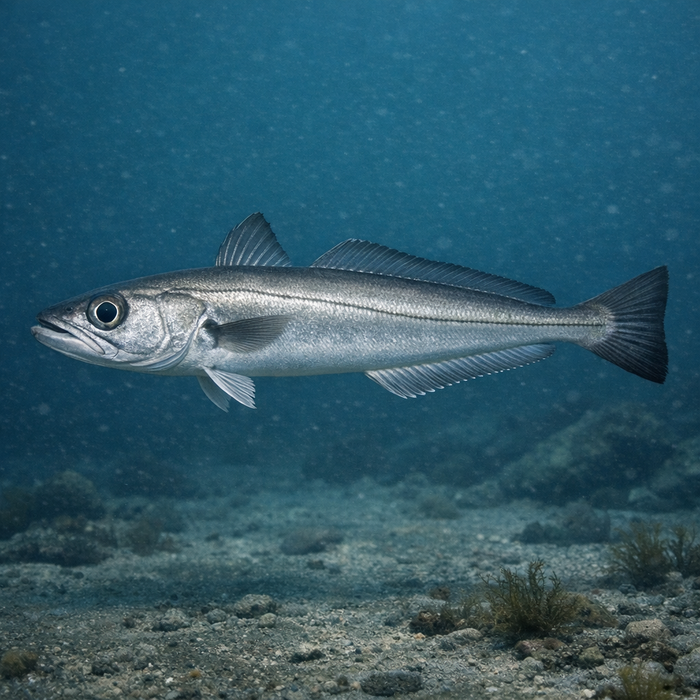
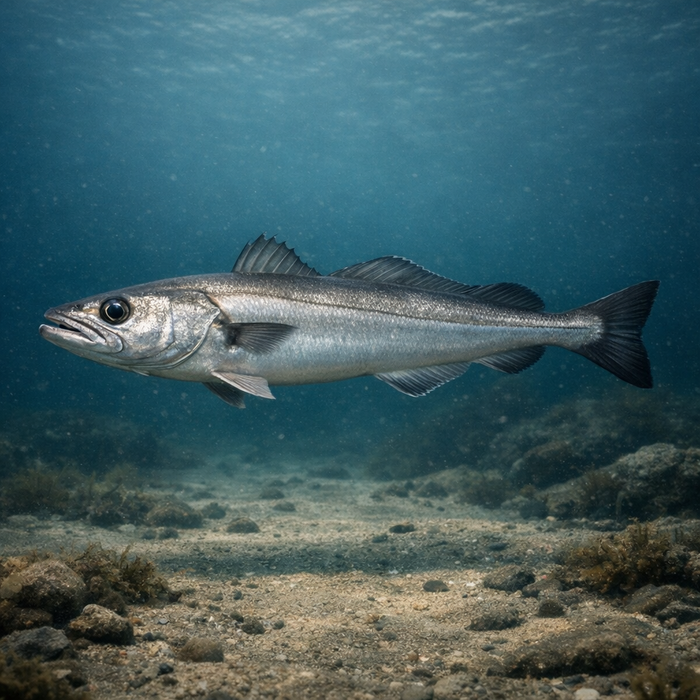
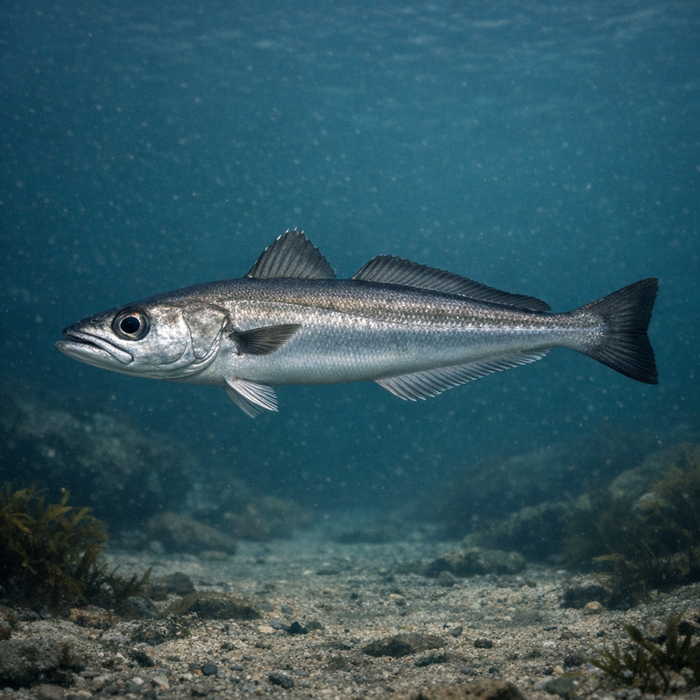
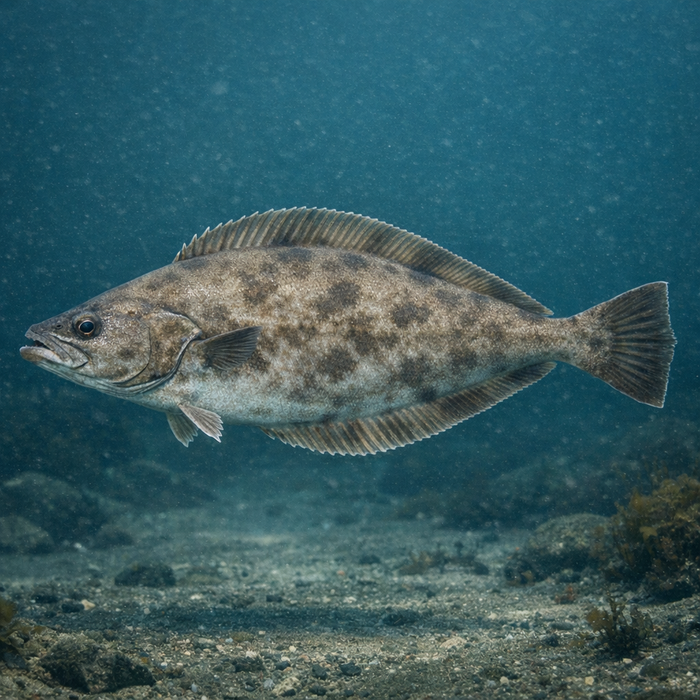
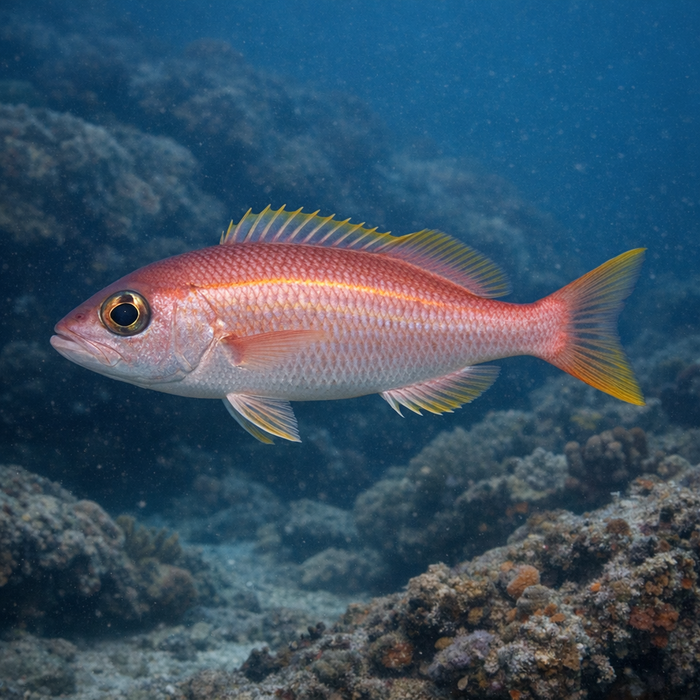
North Pacific hake (Merluccius productus): The West Coast's shape-shifting night crew that turns sonar screens into static.IntroductionIf you've ever stared at your sounder and thought the ocean grew a second bottom, you probably met a school of North Pacific hake. They're the backbone of a massive commercial fishery and an under-the-radar target for anglers who like night missions, glowing jigs, and ridiculous biomass. This write-up serves up North Pacific hake facts with a side of real-world fishing intel.What Makes the North Pacific hake Unique?Two traits separate hake from the usual groundfish crowd. First, they pull a daily disappearing act: hugging deeper water by day, then skyrocketing toward the surface after dark to blitz krill and small baitfish. Second, they school with over-the-top enthusiasm. We're talking acres of fish aggregating over the continental shelf, painting electronics like a glitch. The North Pacific hake also grows to honest pan-sized fillets, stays mild and flaky, and shows up in plenty of fish sticks under the "Pacific whiting" label.Habitat & Global RangeThink continental shelf and slope country. Typical North Pacific hake habitat spans the West Coast from California to Alaska, tracking the productive California Current. They're a midwater species most comfortable off the bottom, though they'll flirt with it when the buffet is there. Depths vary with light and season, but the pattern holds: deeper by day, shallower by night, with schools roaming the shelf edge and offshore banks. Winter spawning concentrates off Southern California and northern Baja; summer sees big northbound pushes into Oregon, Washington, British Columbia, and even Southeast Alaska. If you're scouting North Pacific hake habitat, aim for bait-rich edges, canyons, and plumes where krill and small forage stack up.Behavior & TemperamentHake aren't cagey. Find the school, and they'll often chew. They're not wreck huggers like many rockfish; they're movers, cruising midwater layers and mini-thermoclines where prey collects. Expect a softer fight than a salmon or tuna, but steady action when a drift runs true. Their big eyes and nocturnal rise mean glow jigs and low-light windows punch above their weight. When bait is thick, they'll slide off to follow it, so staying mobile beats anchoring.Ecological ImportanceNorth Pacific hake sit mid-chain as voracious predators of krill, shrimp, and small fish, while larger predators hammer them right back. That predator-prey ping-pong links surface productivity to deeper zones every single day. For humans, they anchor one of the largest groundfish fisheries in North America by volume. Smart management and stock assessments matter here, because mistakes ripple fast through the web.Conservation & Environmental PressuresCurrently managed and considered abundant, the species rates as Least Concern. But it's not a free ride. Climate-driven shifts in the California Current can push spawn timing and migration routes around, alter krill pulses, and shake up where the best fishing happens. Mixed-stock issues at borders and bycatch challenges for commercial fleets also require tight oversight and careful quota setting. Thankfully, this fish has a long track record of science-based management.The FishyAF TakeIf you like humble over hype, North Pacific hake deliver. They won't smoke your drag, but they will flood your deck if you find the right layer, especially at night. For anglers who enjoy reading a screen, tracking bait, and dialing in a glow jig bite, hake are a target-rich playground. They're a clean eat when bled and iced fast, and they offer a sneak peek into the ocean's nightly elevator ride. Not glamorous, sure. But when that midwater graph turns solid, you'll forget glamour and enjoy the grind.