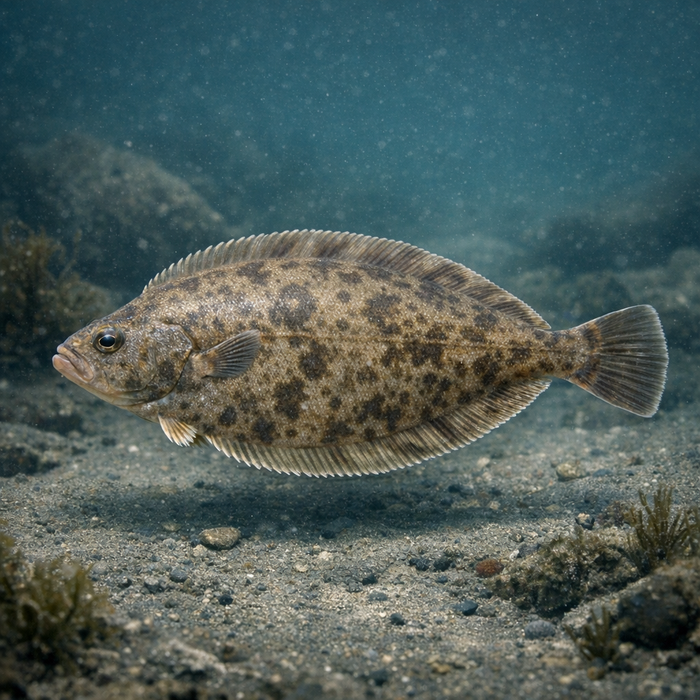
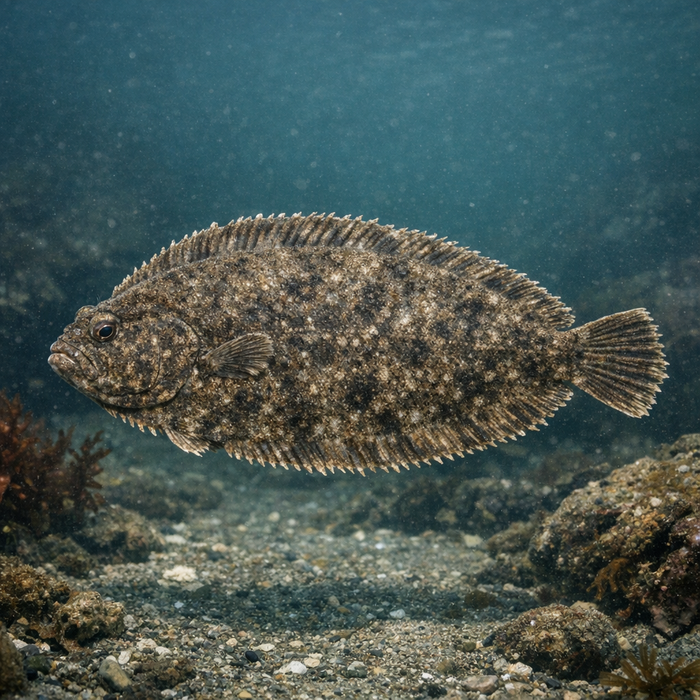
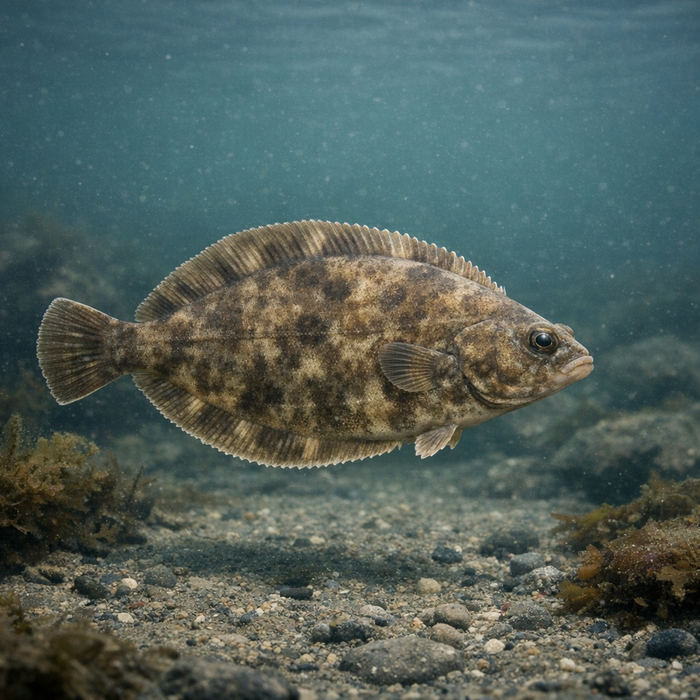
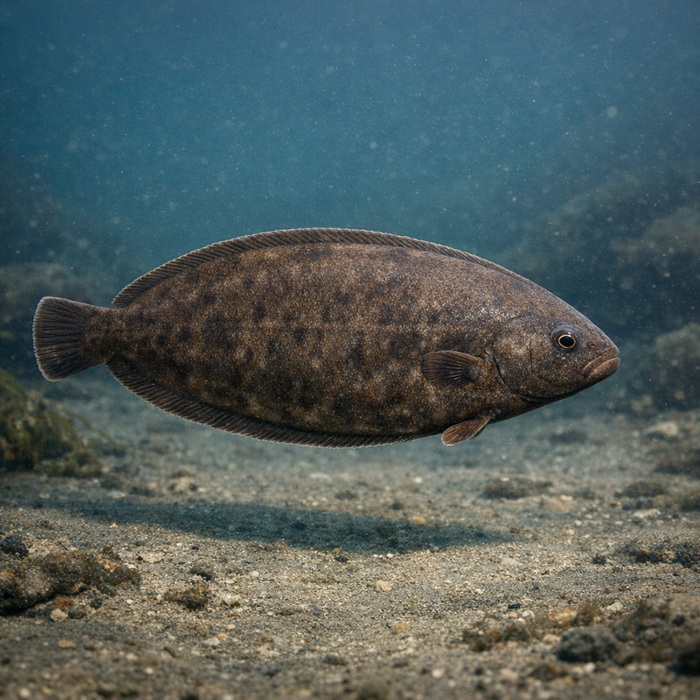
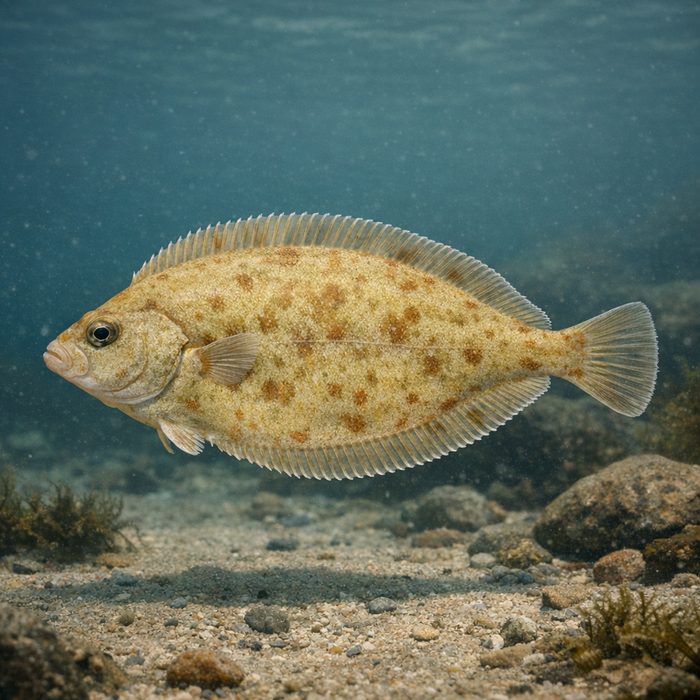
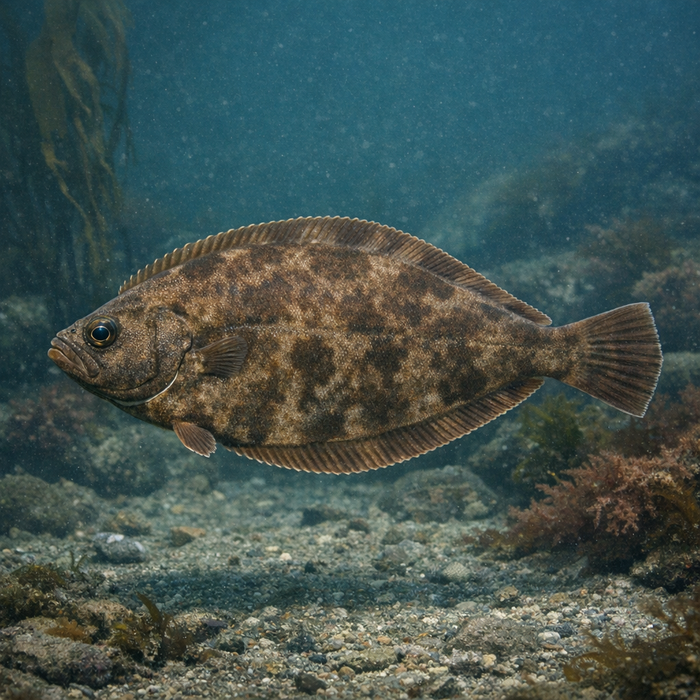
Arrow-tooth flounder (Atheresthes stomias): The deep-shelf flatfish with fangs and a chef-baffling secret.IntroductionThe arrow-tooth flounder is the North Pacific's sneaky ambush specialist, shaped like a pancake and armed like a pickpocket. It hangs on cold, dark slopes where most weekend warriors never drop a line, then shows up in your spread with a mouth full of fangy surprises. This is the flatfish that humbles deckhands and cooks alike, pulling steady from 400 feet and then turning to jelly if you cook it wrong. You want Arrow-tooth flounder facts? Start with this: it's way tougher than it looks.What Makes the Arrow-tooth flounder Unique?Two things. First, teeth. Big, arrow-like fangs that look wildly out of place on a flounder, and they mean business. Second, flesh chemistry. Arrow-tooth flounder carries a heat-activated protease that breaks down muscle during cooking, turning fillets mushy unless processed and prepared carefully. That odd combo is why many anglers remember their first arrow-tooth flounder long after they've forgotten a dozen decent halibut. It's not a glamorous fish, but it's definitely unforgettable.Habitat & Global RangeArrow-tooth flounder habitat is the continental shelf and slope across the North Pacific. Think cold, subarctic to temperate waters from California up through Alaska, across the Bering Sea, and over to Russia and Japan. Typical depth is deep-often 200 to 900 feet-on soft bottoms, mud and sand, and along canyon edges where currents funnel bait. Juveniles drift pelagic before settling and doing the classic flatfish eye-migration shuffle. By the time you meet one, it's a right-eyed ambusher welded to the bottom, riding low and waiting for something careless to wander by.Behavior & TemperamentArrow-tooth flounder are ambush predators with patience. They don't blister drag like pelagics, but put a solid bend in the rod and hang heavy during the ride up. They'll follow scent, pin bait to the mud, and snap with those canines when it's time to commit. Most strike windows line up with current changes and low light near the bottom; they aren't browsing the surface, and they rarely rocket around structure like rockfish. It's a grit fight, not a sprint, and the last 50 feet can feel like reeling a damp briefcase that nips back.Ecological ImportanceThis species is a serious cog in North Pacific food webs. Arrow-tooth flounder prey on small fishes and invertebrates and, in turn, feed larger predators. Their abundance on the Gulf of Alaska shelf has real knock-on effects, including competition with other groundfish. They're also a commercial reality: processors know the enzyme story well and have developed handling and processing methods to stabilize fillet texture. For anglers, that biology lesson translates into smarter ice, better trimming, and sometimes choosing the smoker over the skillet.Conservation & Environmental PressuresMost assessments place arrow-tooth flounder in decent shape thanks to broad distribution and heavy monitoring within North Pacific groundfish complexes. Still, deepwater ecosystems aren't bulletproof. Climate-driven shifts in temperature and prey can shuffle the deck on growth and distribution. Bottom-contact gear, when not managed carefully, can scuff benthic habitat. The good news: these fisheries are typically guarded by strict quotas, observer programs, and seasons. The less-good news: cold, stable habitats don't like fast change, and this fish is built for cold.The FishyAF TakeIf you want a flashy Instagram hero, the arrow-tooth flounder won't strut. If you want a pure, honest test of deepwater basics-vertical contact, braid angles, and bottom-read discipline-it's your fish. Arrow-tooth flounder rewards anglers who keep iron bouncing clean and baits sticky-fresh at 300 to 600 feet. It's also a walking biology lesson: a flatfish with fangs and a fillet that punks the unprepared cook. Handle it cold, treat it right, and you'll respect it. That's the point of this guide and these Arrow-tooth flounder facts: sometimes the "other" flatfish is the one that makes you better.