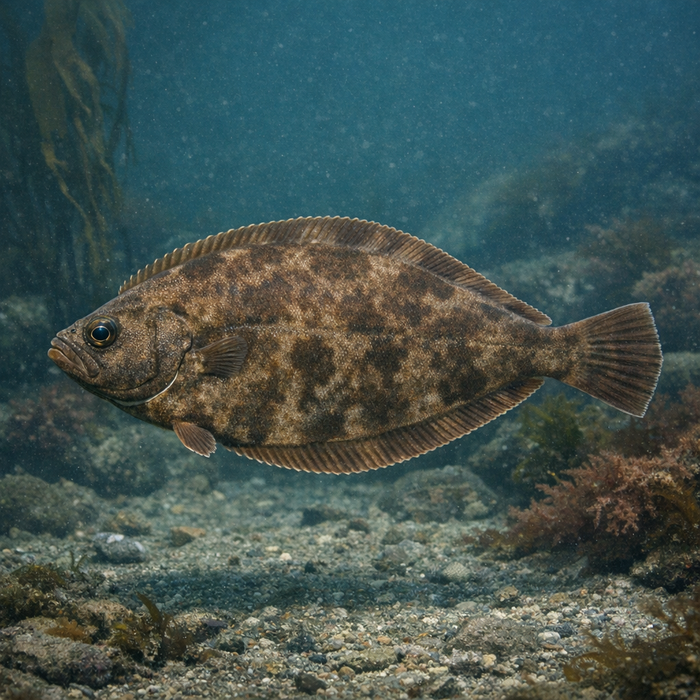
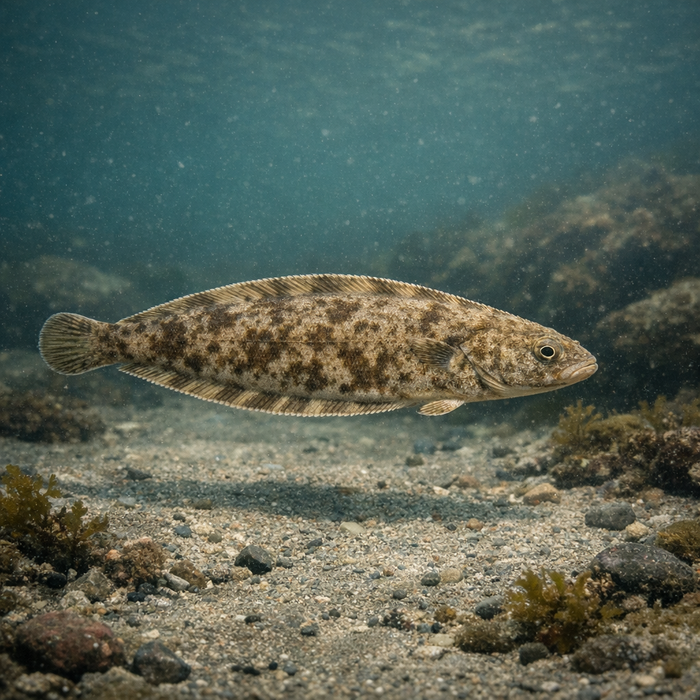
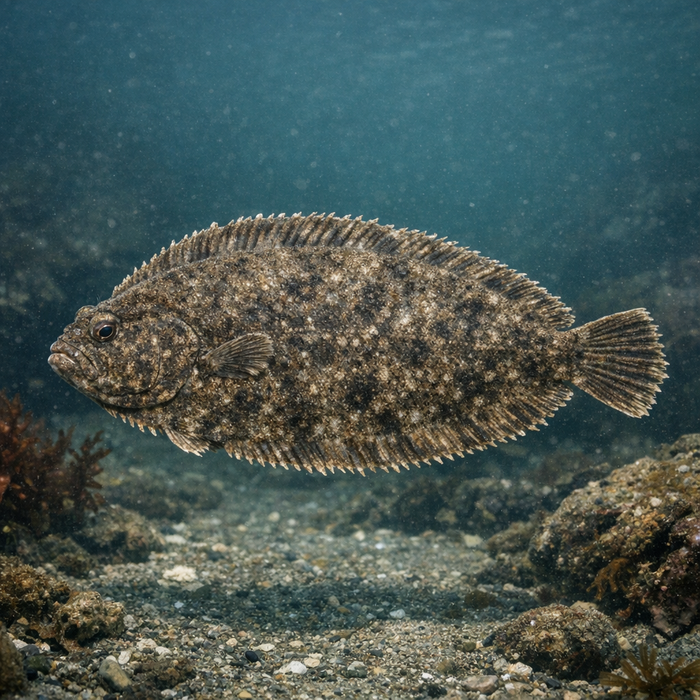
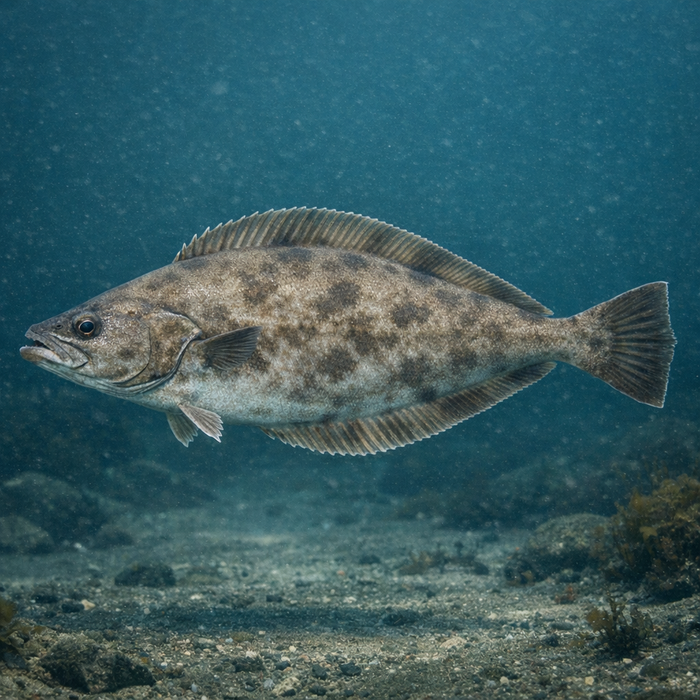
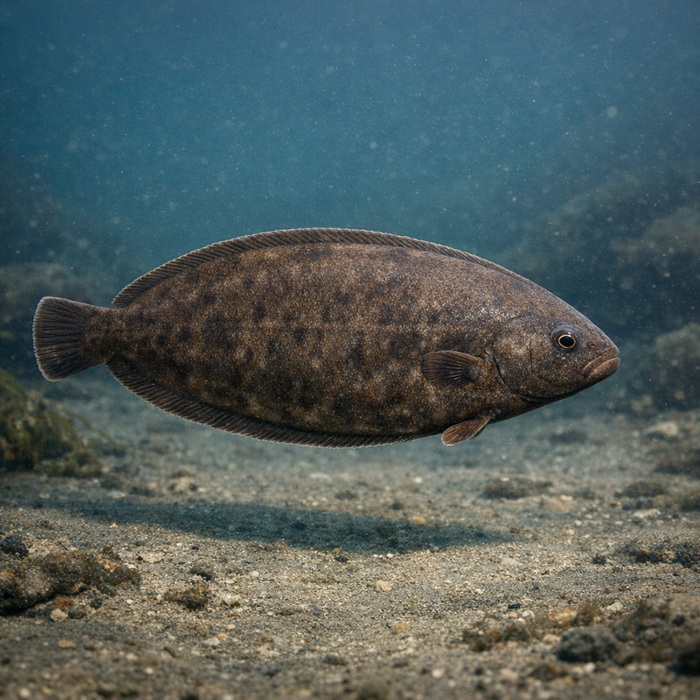
Flathead sole (Hippoglossoides elassodon): A humble flatfish with ridiculous biomass and sneaky table appealIntroductionThe flathead sole is the quiet workhorse of the North Pacific bottom. Not flashy, not photogenic, and definitely not Instagram-famous, yet it carpets cold seafloors in shocking numbers. If you drop bait deep on the Alaskan shelf, you'll probably meet one. They're small, mild, and honest fish, and that's exactly why a lot of deckhands grin when they thump into the tote. Here's your crash course in real-deal Flathead sole facts.What Makes the Flathead sole Unique?Start with the name: Hippoglossoides literally means "like a halibut." Think of the flathead sole as the halibut's scrappy, snack-sized cousin. It's a right-eyed flatfish with a distinctly low, flattened head and a habit of burying in mud until just the eyes and a smirk remain. They also play the long game; females commonly live past 30 years, a slow-and-steady approach that works in cold, stable environments. One more twist: this species achieves staggering biomass in the Bering Sea and Gulf of Alaska. When managers talk about the groundfish complex, flathead sole are part of the economic and ecological backbone.Habitat & Global RangeIf you're wondering about Flathead sole habitat, think cold and muddy. They haunt the continental shelf and upper slope from the West Coast up through Alaska, stretching across to the Russian Far East and into parts of East Asia. Depth-wise, flathead sole work the bottom from relatively shallow coastal zones to deep, dim water beyond 1,000 feet. They favor soft substrates: silts, sands, and mud plains that hold worms, clams, brittle stars, and little crustaceans. Seasonal shifts nudge some fish shallower during warmer months, but this is a benthic resident through and through, more marathoner than sprinter.Behavior & TemperamentFlathead sole are not brawlers. They're ambush feeders and patient foragers, cruising just above the bottom or lying buried, then picking off invertebrates and small prey with tidy precision. Think low aggression, low drama. They'll nibble and chew baits rather than crush them, and they rarely make hero runs. What they lack in fireworks they make up for in numbers and predictability. If you're fishing mixed-groundfish in the right depth band, these fish are on station, day or night, moving with currents and tide like a conveyor belt of subtle bites.Ecological ImportanceThis species is a huge middle link in coldwater food webs. Flathead sole vacuum up benthic invertebrates and in turn feed cods, larger flatfishes, marine mammals, and seabirds. Their sheer biomass stabilizes energy transfer on the shelf. In fishery terms, they spread harvest pressure because a portion of trawl and longline effort inevitably intersects with them. That buffers pressure on higher-value targets and gives managers options within the groundfish complex.Conservation & Environmental PressuresFlathead sole are currently assessed as stable in most core areas, a minor miracle in modern fisheries. That said, they are not invincible. Climate-driven shifts in North Pacific temperatures and productivity can juggle where and how strongly cohorts recruit. Habitat contact from bottom trawling is a constant consideration, and mixed-species management must keep bycatch in check. The good news: this species' broad distribution, modest size, and resilient life history grant some insurance. The caution: ecosystem changes in the Bering Sea can be swift, and a species tied to mud and cold water notices when the thermostat swings.The FishyAF TakeThe flathead sole is the blue-collar flatfish you'll actually catch. It won't spool you. It won't headline your social feed. But if you fish deep mud in Alaska or the northern Pacific, it's your steady tug, your honest fillet, and your reminder that not every good fish has to be a hero. When someone asks for Flathead sole facts, give them this: durable, abundant, and sneakily delicious. Keep your rig on the bottom, respect the resource, and enjoy the calm confidence of a fish that shows up when everything else gets picky.