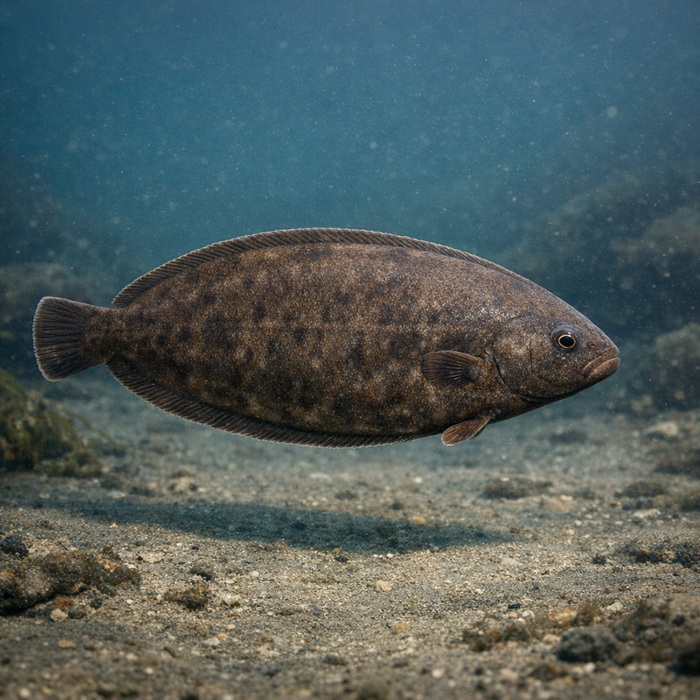
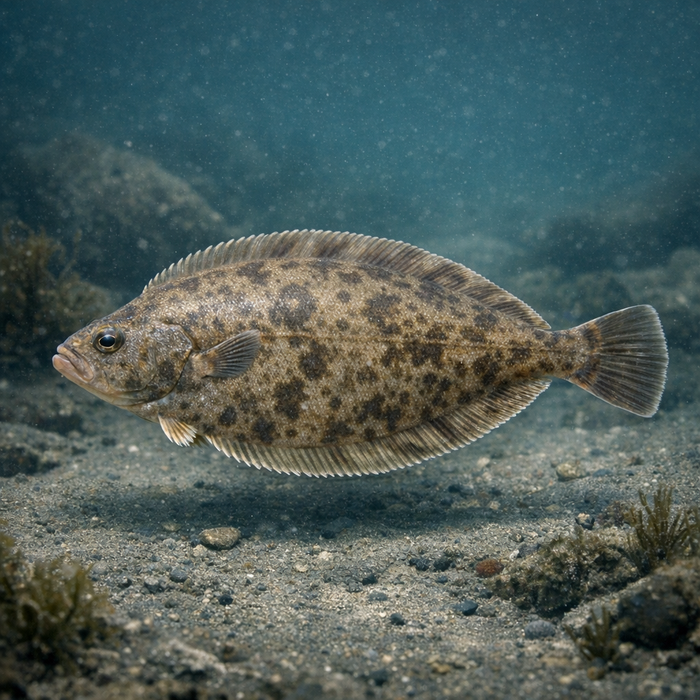
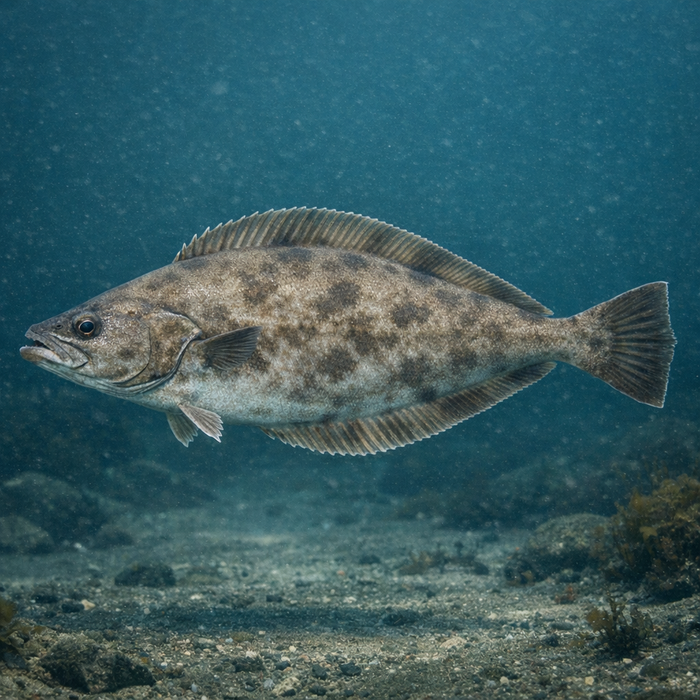
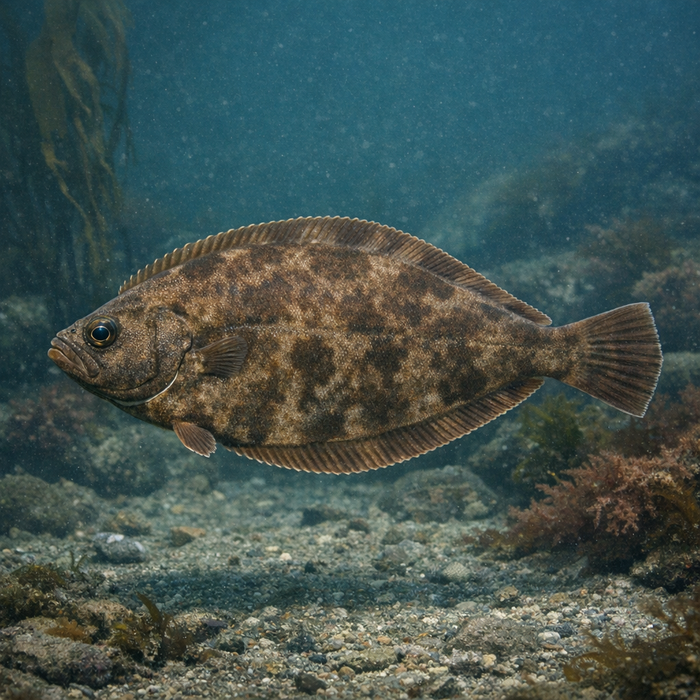
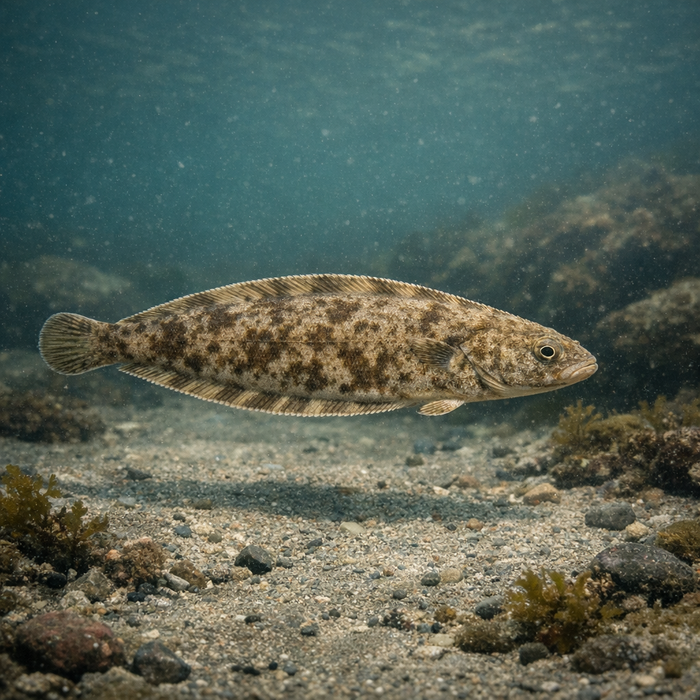
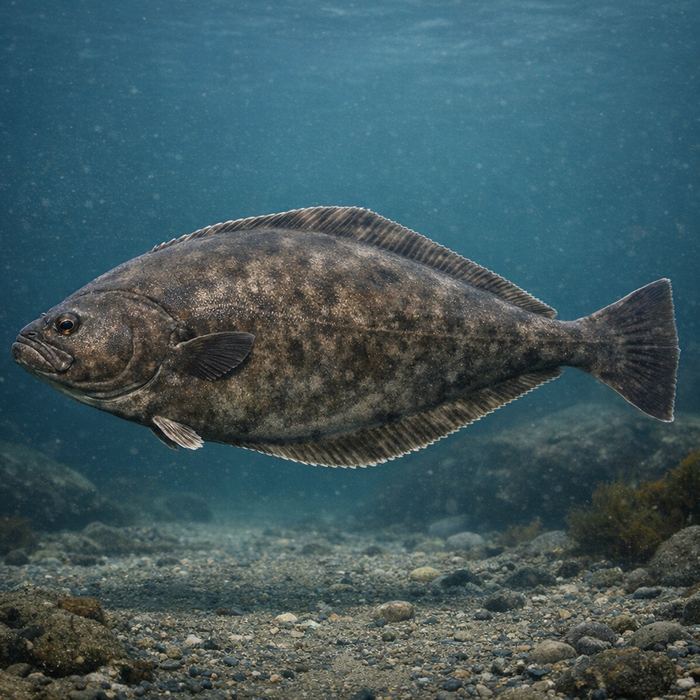
Roughscale Sole (Clidoderma asperrimum): A sandpaper-skinned flatfish built for the cold and the deep.IntroductionIf halibut is the heavyweight celebrity, the roughscale sole is the grizzled roadie who never left the stage. It's a deep-shelf specialist with a hide like gritty sandpaper and a talent for vanishing into mud. Most anglers meet one by accident, hauling it up from the dark while fishing for cod or sablefish. That moment is when the best Roughscale sole facts write themselves: this fish is tougher, rougher, and more committed to bottom life than most of its flat cousins.What Makes the Roughscale sole Unique?Start with the skin. Unlike many flatfish that feel smooth on the blind side, the roughscale sole wears ctenoid scales on both faces. Run a finger the wrong way and you'll understand the name instantly. Add the classic righteye layout and a long, continuous fin profile and you've got a sleek dirt-camouflaged disc built for stealth. It isn't flashy, but it's shockingly well-armed for a quiet life on the bottom, where a gritty coat and low profile beat speed every time.Habitat & Global RangeIf you're mapping Roughscale sole habitat, draw a line along the cold North Pacific: the Sea of Okhotsk, the Bering Sea, the Gulf of Alaska, and down the outer West Coast into deeper waters. This fish loves soft sediment and lives where sunlight peters out, from the continental shelf edge into slope depths. Think chilly, stable water, silty plains, and the kind of real estate a halibut might cruise through but the roughscale sole actually commits to. It's not an inshore flattie. It's an offshore mud ninja.Behavior & TemperamentThis species is not a sprinter. It's a sitter, a slow shifter, and an expert at staying put. The roughscale sole rides belly-to-bottom, contouring to the substrate and letting scent trails drift its way. That abrasive skin isn't just a party trick; it likely helps with hydrodynamics and protection during long bottom hunkers. When hooked, it's more stubborn than savage, using body mass and angles rather than blistering runs. Picture a heavy boot on the line rather than a silver rocket.Ecological ImportanceBottom dwellers like the roughscale sole are traffic cops of the detritus lane. By working soft floors and nibbling what the midwater crowd ignores, they help turn benthic muck into fish food up the chain. They're also a tidy data point for scientists tracking cold-water shelf health. If the mud plains are stable, so are the fish that cash checks there.Conservation & Environmental PressuresCommercial trawls encounter roughscale sole regularly on North Pacific grounds. The species doesn't headline sustainability debates like big-boat halibut or iconic salmon, but it still lives in a neighborhood shaped by bottom-contact fishing, climate swings, and bycatch rules. Because it runs deep, recreational pressure is low. The bigger questions revolve around habitat integrity and long-term shifts in cold-water layers that define this fish's world.The FishyAF TakeThe roughscale sole is the anti-influencer of flatfish: no hype, all grit. You want fireworks, go chase coho. You want a masterclass in bottom living, this is your professor. It's the kind of bycatch that tells you you're working the right real estate and doing it right: bait pinned to the mud, weight holding, patience engaged. For anglers who appreciate oddballs, learning the roughscale sole's habits isn't just trivia. It's a shortcut to understanding the whole deep-shelf scene, from sablefish to sleeper flatties. File that under useful Roughscale sole facts and fish smarter next drop.