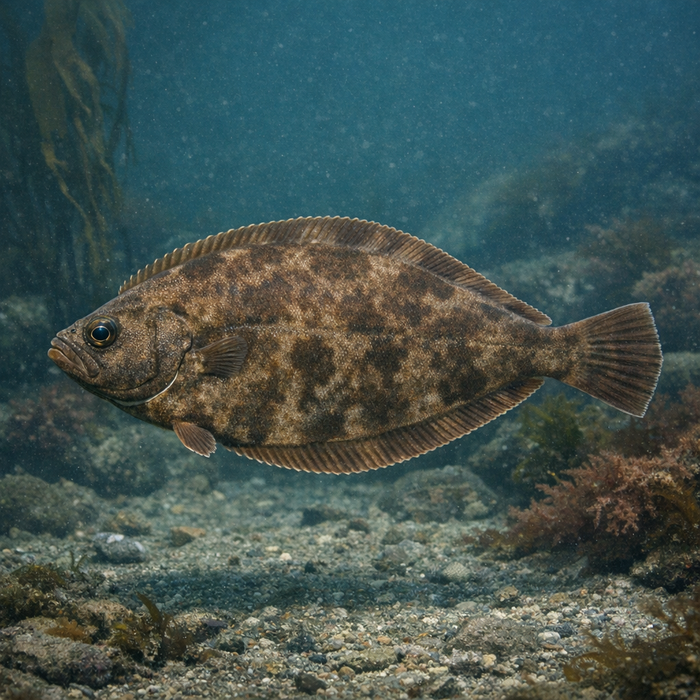
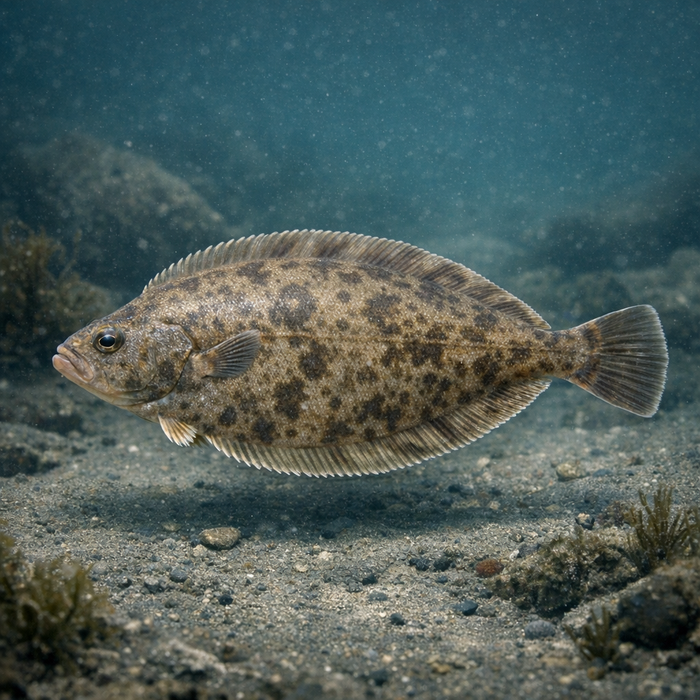
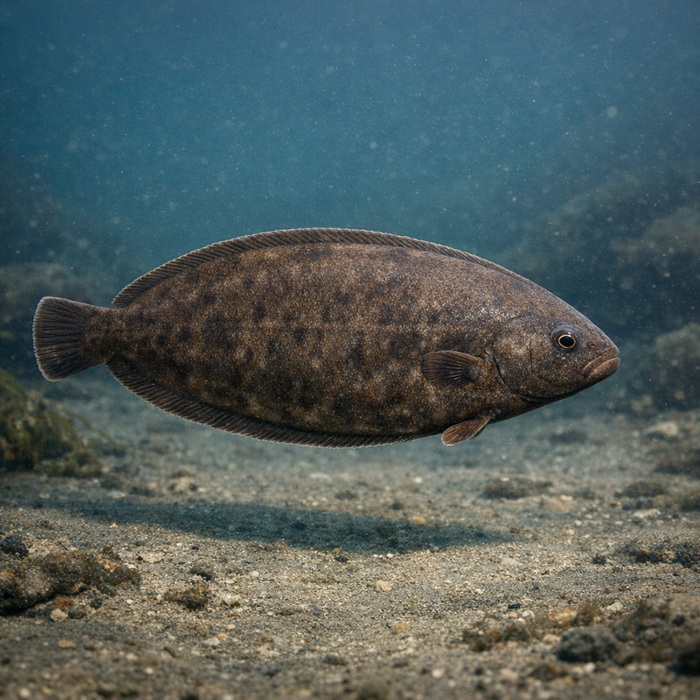
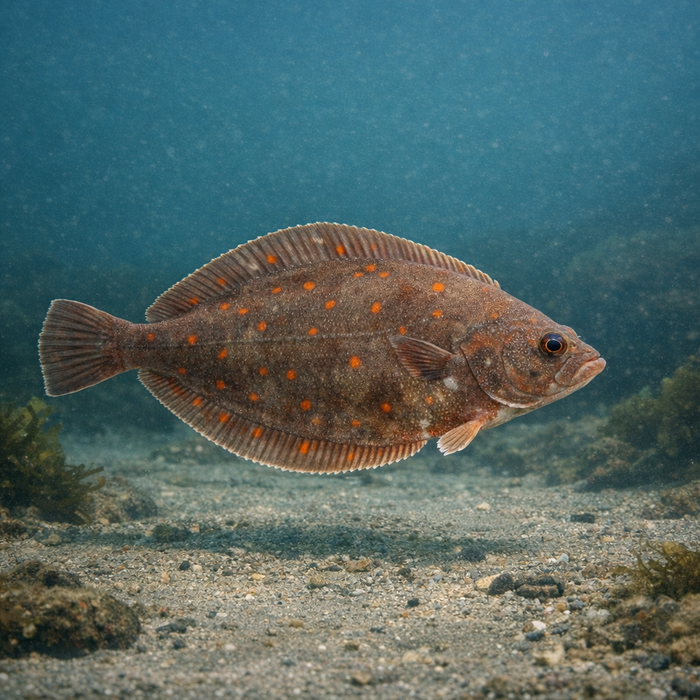
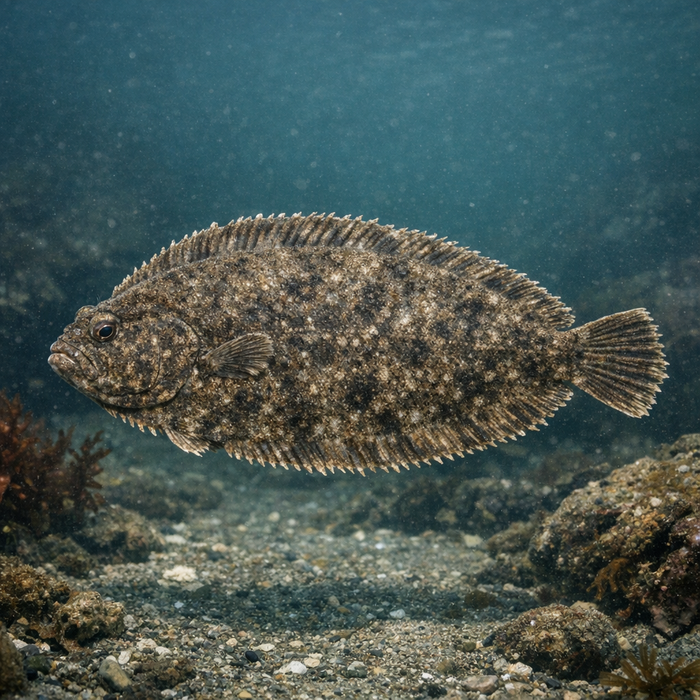
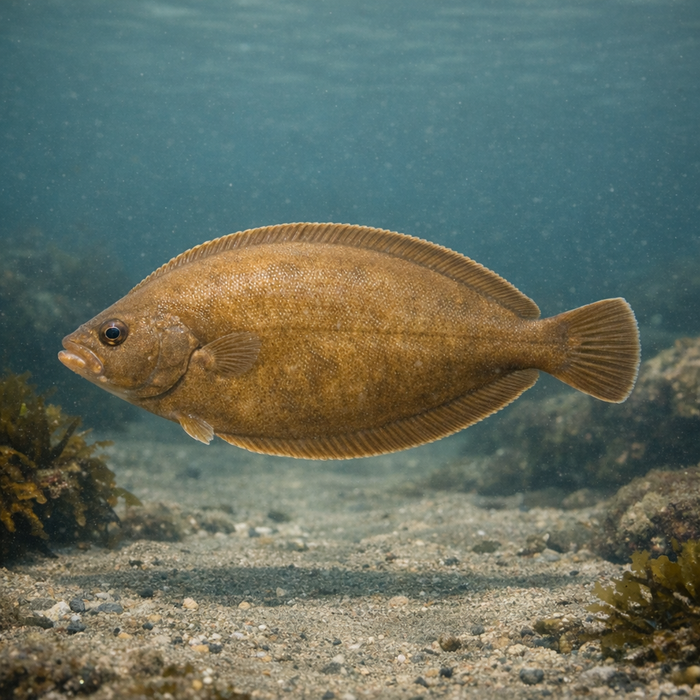
Slender Sole (Lyopsetta exilis): The skinny flatfish that out-sneaks your sonar and your lunch.IntroductionThe slender sole is the quiet overachiever of the Pacific slope. It doesn't leap, blitz bait balls, or crash topwater. It just melts into the mud, sips tiny critters, and shows up in coolers from Alaska to California when you're drifting for "whatever bites." If you want a crash course in subtlety, the slender sole delivers. It's a pancake with a PhD in hiding, a masterclass in how less can be more. These slender sole facts will turn a shrug fish into a legit target.What Makes the Slender sole Unique?For one, shape. "Exilis" isn't a joke; this fish is narrow even by flatfish standards. It looks like someone trimmed a Dover and forgot to stop. Second, it's a right-eyed flatfish, meaning both eyes ride the right side as adults. That bizarre migration from larva to sideways ambusher is one of nature's best weird flexes. Third, the slender sole has a tiny, efficient mouth that vacuums shrimp bits and micro-invertebrates without sending a silt signal flare. Add skin that can tweak tone to match mud, and you've got a stealth platform built to outlast indecisive drifts and fussy currents.Habitat & Global RangeThe slender sole hugs soft bottoms along the continental shelf and upper slope of the Northeast Pacific. Think mud and fine sand near canyons, ledges, and long silty tongues that funnel food. You'll encounter it from the Gulf of Alaska down the West Coast, including British Columbia, Washington, Oregon, and California, with occasional bites near Baja. Depth-wise, it's a bottom dweller that prefers the cooler, dimmer band, often offshore of the obvious inshore spots. If you're building a mental map of slender sole habitat, start where soft sediment meets gentle current, especially near canyon edges that shuttle snacks downslope.Behavior & TemperamentThe slender sole is not an aggressor; it's an opportunist. It parks on the bottom, half-buried, letting current deliver tiny crustaceans and wormy bits. When it does move, it's a lazy scoot or a quick flap to reposition, not a chase. Schooling isn't the play here. You'll find loose clusters where conditions are right, but nothing like anchovy mayhem. Bites feel like dead weight with a faint tremble. Miss it and the fish rarely rockets off; it'll settle again and try another sip. That docile temperament is why it shows up in mixed-bag drifts for rockfish and other flatfish when rigs stay pinned to bottom.Ecological ImportanceThe slender sole is a middle-link specialist on soft sediment real estate. It recycles energy from tiny benthic life into fishable biomass, and it does it without drama. By stirring and settling in mud, it helps aerate and shape microhabitats other invertebrates use. It's forage for larger fish and marine mammals, but it also pressures small crustacean populations in a tight feedback loop with currents and detritus flow. That understated role keeps muddy shelf zones humming along.Conservation & Environmental PressuresGood news first: the slender sole is generally considered stable across much of its range. It benefits from not being a glamour species, and there's limited recreational effort focused solely on it. Still, the species shares turf with trawl grounds and other bottom-contact gears, and any habitat that relies on persistent soft sediment can be sensitive to disturbance. Climate-driven changes in upwelling, oxygen levels, and temperature can also shift where the best mud zones set up. If those shifts squeeze the productive shelf edge, slender sole distributions can slide deeper or scatter. For now, it sits in a comfortable spot, but like any bottom fish, it's only as safe as its mud.The FishyAF TakeThe slender sole is the definition of low-key utility. It won't headline your trip, but it can quietly save it. Anglers who learn to work soft-bottom edges, hold bottom with finesse, and downsize baits to match the fish's conservative mouth start turning mystery taps into fillets. If you're a numbers-and-notoriety angler, keep scrolling. If you like reading a drift like a story and stacking small wins, the slender sole is your fish. Master the mud, and you'll turn "bycatch" into "called shot." Call it the mud ninja. We call it dependable, teachable, and way more interesting than its PR suggests. That's the slender sole habitat sweet spot in one sentence: soft bottom, soft touch, solid results.