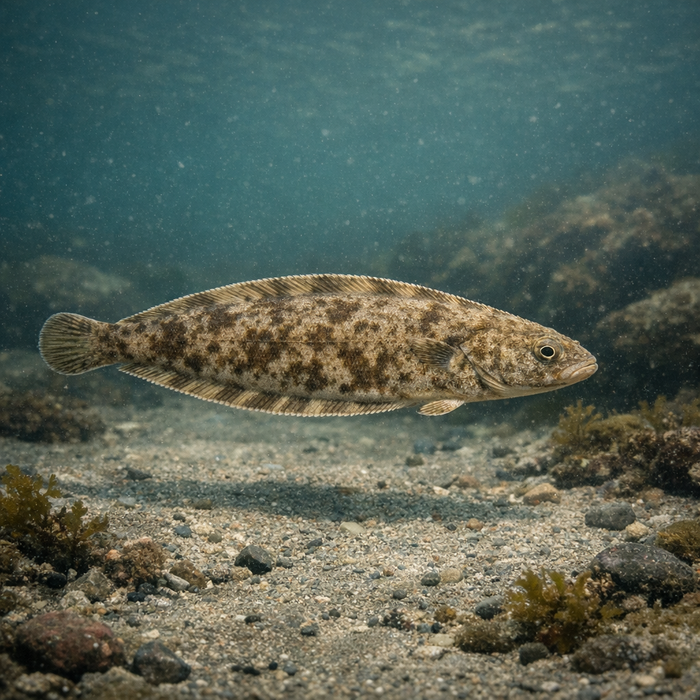
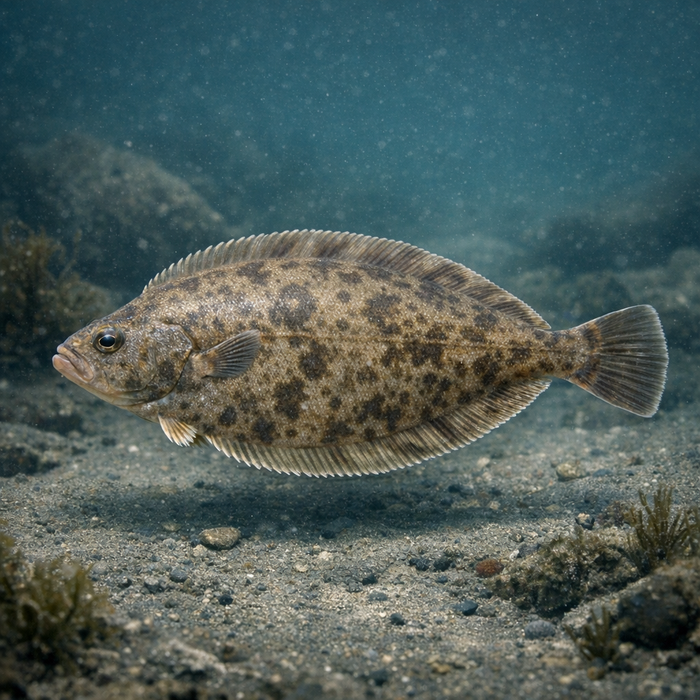
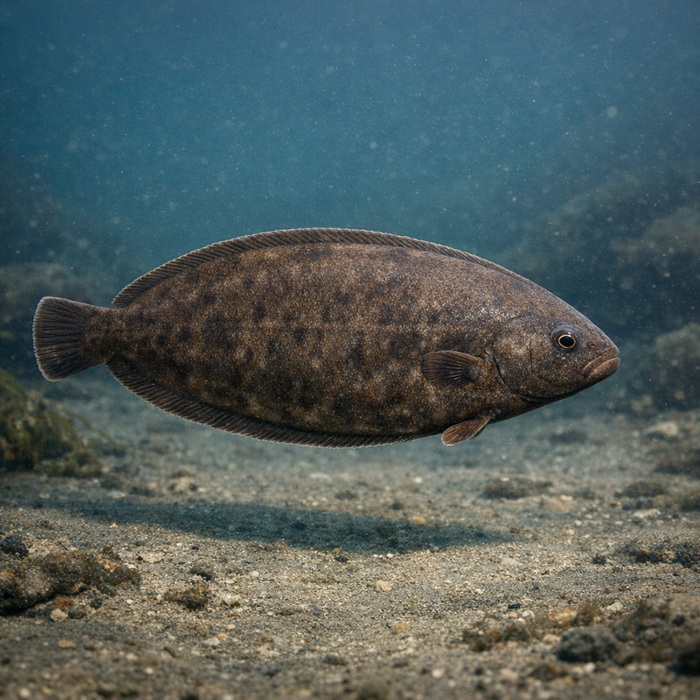
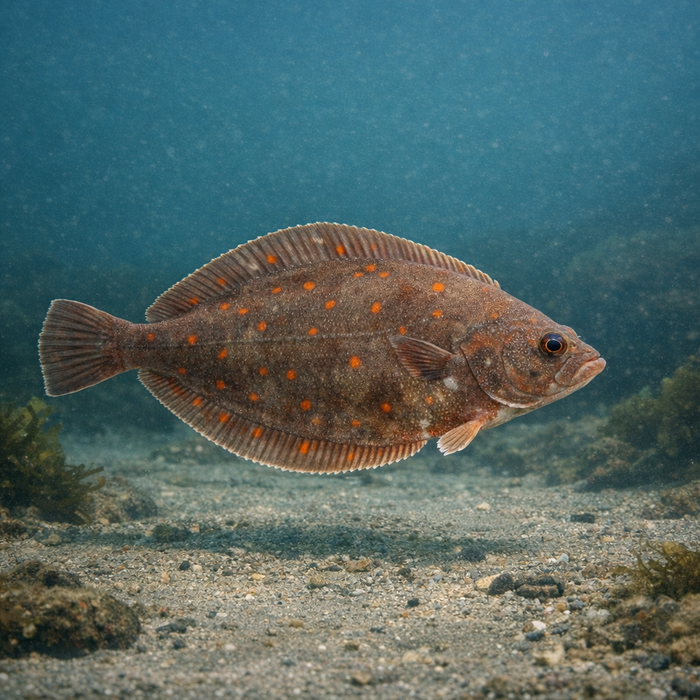
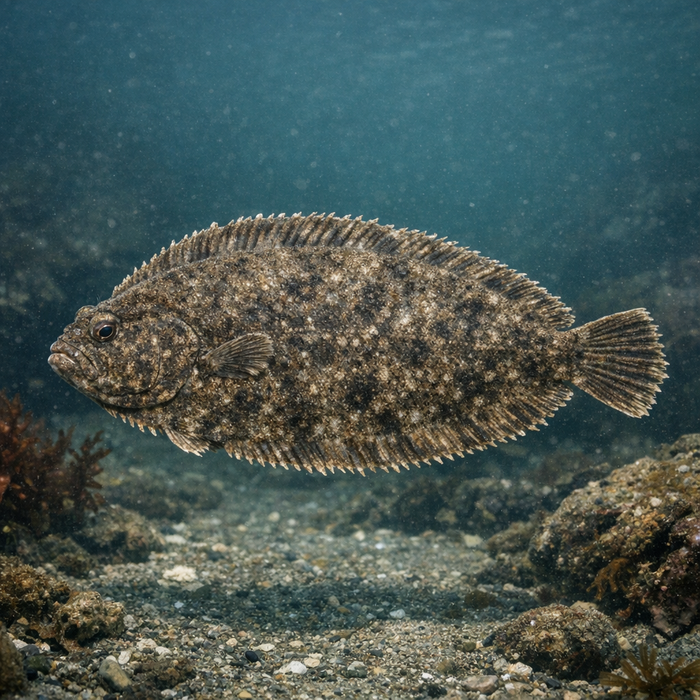
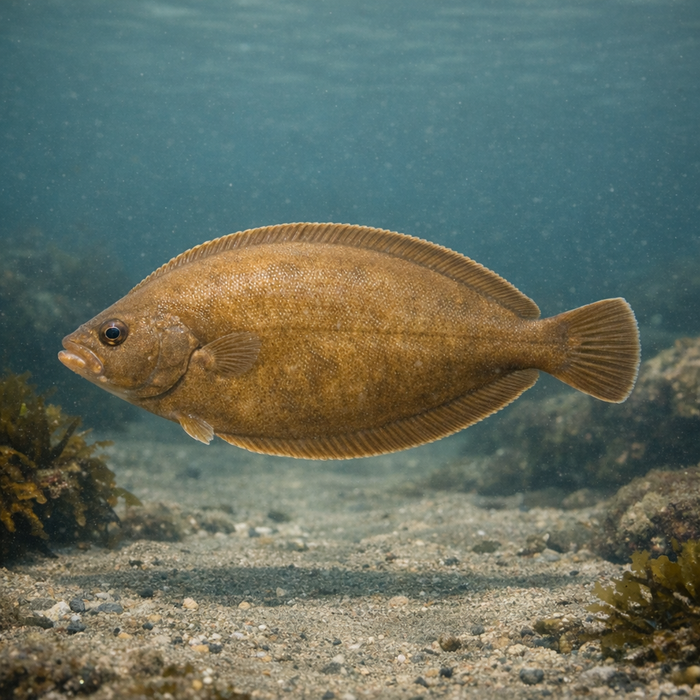
Petrale Sole (Eopsetta jordani): The West Coast's Sand Ninja With Top-Shelf FlavorIntroductionThe petrale sole is the quiet assassin of the Pacific shelf: no flair, no splashy jumps, just a broad, right-eyed pancake sliding over sand and mud, vacuuming anything careless enough to pass its nose. Anglers who chase it aren't trophy chasers; they're pragmatists who appreciate a fish that hits light, fights honest, and tastes better than most celebrity fillets. If you want real Petrale sole facts without the fluff, you're in the right place.What Makes the Petrale sole Unique?Start with the build. As a right-eyed flatfish, both eyes ride the same side, giving it a periscope-quiet view while it lies flush to the bottom. That profile is built for stealth. Petrale sole are also unusually premium at the dock; chefs on the West Coast will nudge aside other soles and flounders when petrale shows up, thanks to its sweet, delicate flesh. Finally, sexual dimorphism is strong here: females grow noticeably larger and live longer, which matters to anglers targeting respectable fillets and to managers setting smart quotas.Habitat & Global RangePetrale sole habitat is deep, open bottom. Think continental shelf and upper slope, not kelp forests or jetties. The species roams the Northeast Pacific from California into the Pacific Northwest and Alaska, working sand and mud in 150 to 600 feet, and sometimes deeper. They shuffle with seasons, spawning on the outer shelf in winter and sliding around with currents and prey. You'll run into them off canyon heads, along shelf breaks, and across broad, featureless flats that look like nothing on the sounder until the right marks appear.Behavior & TemperamentPetrale are ambush predators with polite table manners. They won't shred gear or tow you into the rocks; they'll just throttle a strip of squid or an anchovy and try to kite up sideways. Bites can be maddeningly light, especially on slack current. They feed by feel and scent as much as sight, so a drifting presentation that stays pinned to the sand is lethal. They aren't structure addicts, but they do relate to edges: the lip of a channel, the toe of a bank, the beginning of a canyon wall. Dawn and dusk nudges them more active, yet a solid drift at midday can still stack fish.Ecological ImportanceThe petrale sole fills a crucial mid-tier predator role across the shelf community. It converts small fish, shrimp, and other invertebrates into protein for bigger players like halibut and marine mammals. Eggs and larvae drift in the plankton before dropping to the bottom and flipping into the right-eyed lifestyle. That planktonic stage ties offshore productivity to the demersal food web, knitting surface seasons to bottom life in a way you won't appreciate until a perfect fillet hits your pan.Conservation & Environmental PressuresThis species has ridden the full management rollercoaster, with rebuilding plans and careful quotas keeping the fishery healthy on the U.S. West Coast. Pressure is mostly commercial, not recreational, but both feel changes in currents, oxygen levels, and temperature that shuffle fish around the shelf. Bottom-contact gear and hypoxic events can pinch local pockets. The headline: petrale isn't fragile, but it's not bulletproof either. Good science and conservative seasons have paid off, and anglers should keep respecting that playbook.The FishyAF TakeThe petrale sole is the fish you brag about at dinner, not on Instagram. It's a thinking angler's bottom target: line control, drift angle, and the patience to feel that faint tap-tap before you load the rod. If you want to argue about glam, fine. We'll be over here catching clean, coldwater slabs and turning them into crispy-edged fillets with butter and lemon. That's the kind of flex that matters. File it under quiet excellence, and add it to your must-fish list before you chase your next headline.