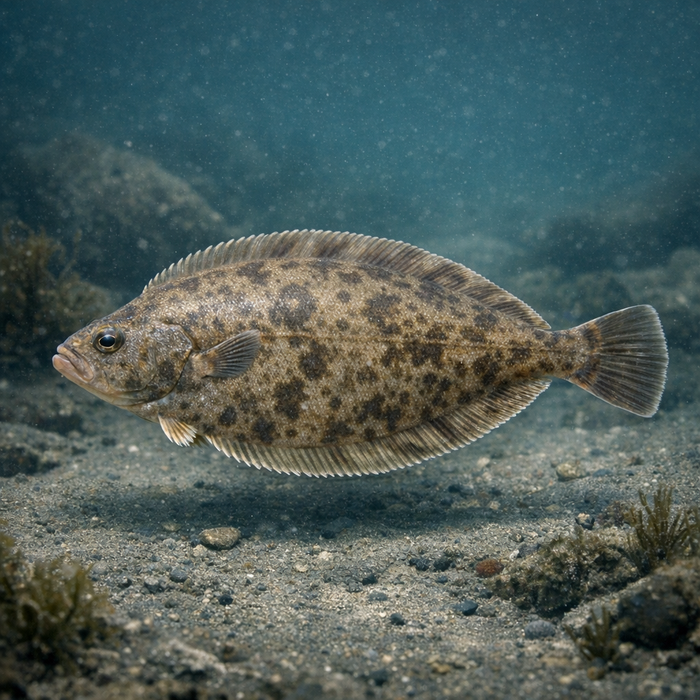
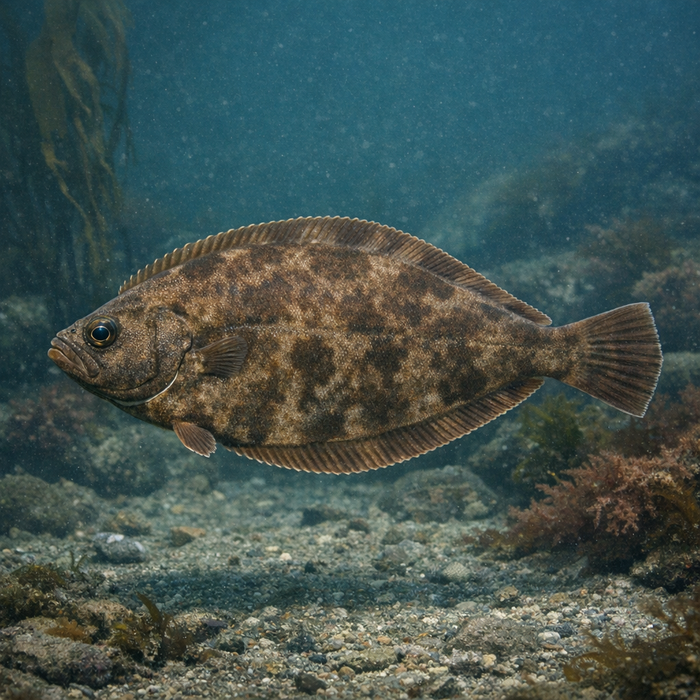
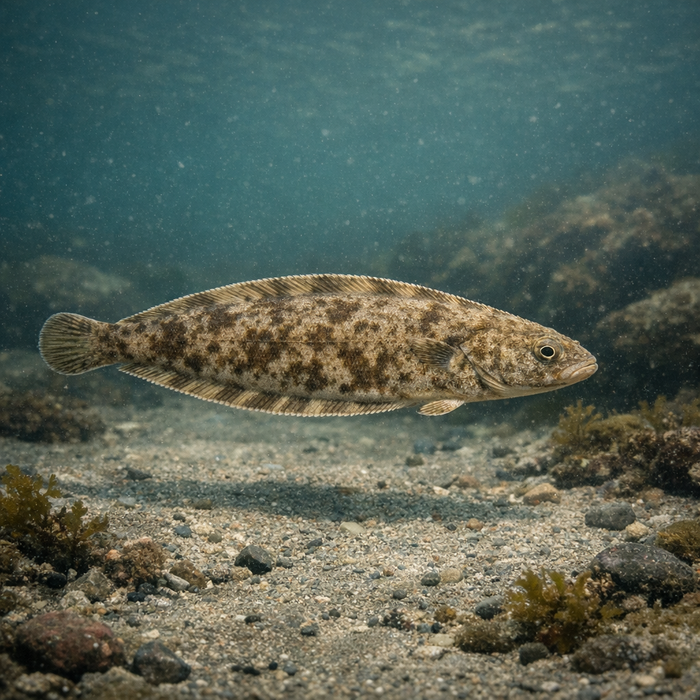
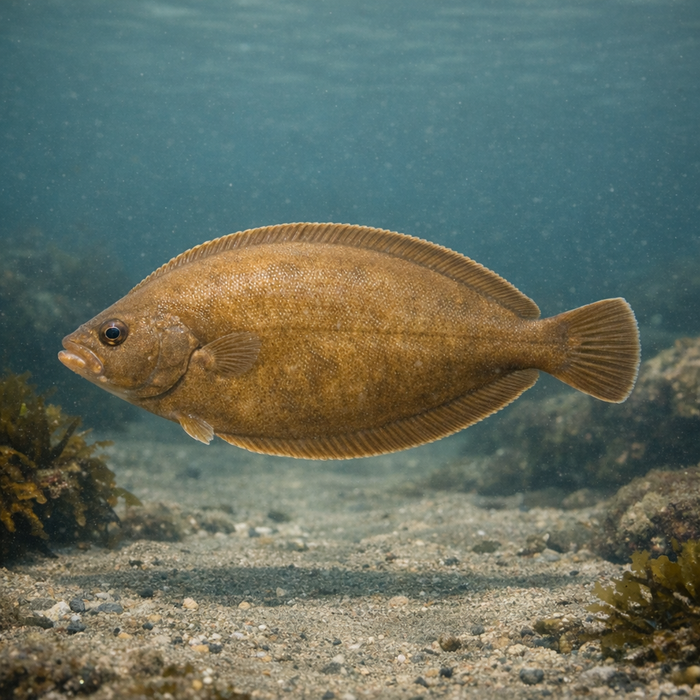
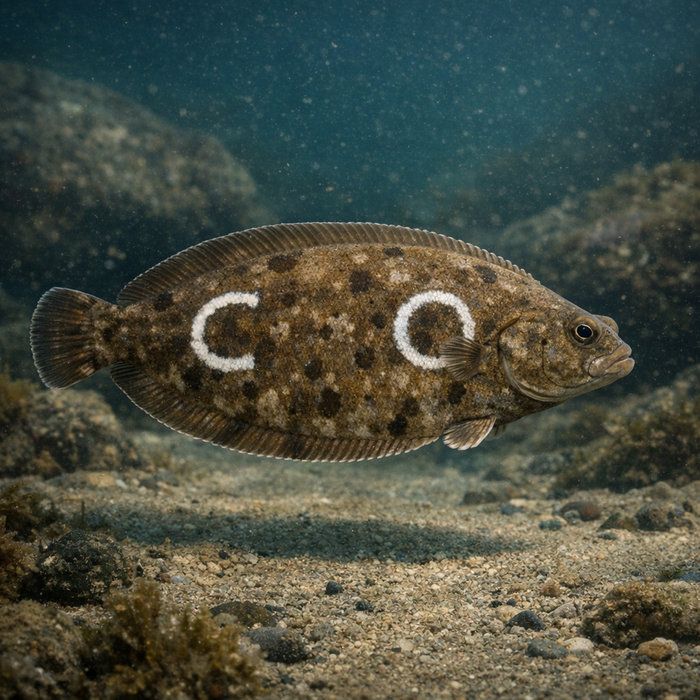
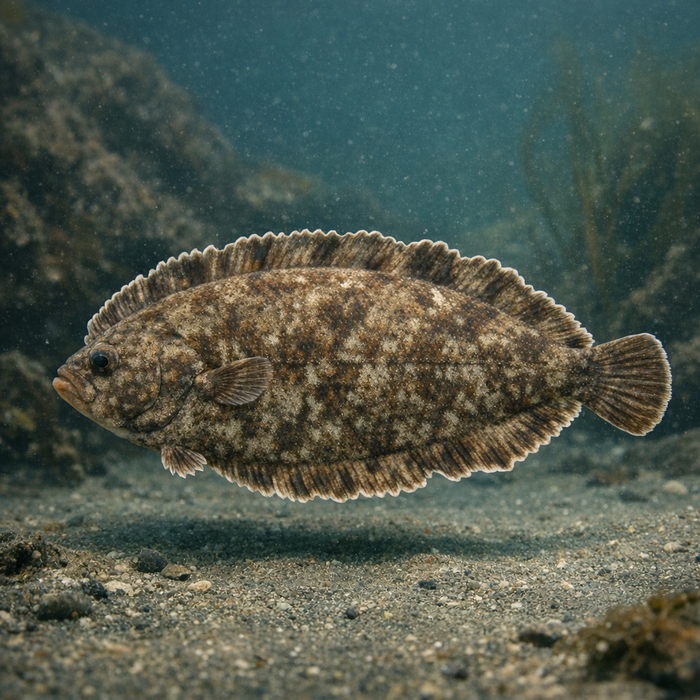
American plaice (Hippoglossoides platessoides): A Bold, Memorable Hook LineIntroductionCold, deep, and sneaky, the American plaice is the soft-spoken assassin of North Atlantic mud. It's not flashy or fast, but if you drift a bait across its nose, you'll feel that telltale tap and a steady weight that means dinner. This flatfish spends its life on the continental shelf, wearing camouflage better than your favorite hoodie and making a living off anything small and crunchy that wanders within reach. If you want dependable fillets from chilly water and a master class in subtle bites, say hello to American plaice.What Makes the American plaice Unique?Unlike more famous flounders, the American plaice-often dubbed rough dab-has sandpaper-like scales on the eyed side that scream hands-off when you try to lip it. Its lateral line arcs dramatically over the pectoral fin, a quick field mark that separates it from other flats on the deck. This is a right-eyed flatfish, and its body is freckled with rusty orange spots that don't read the room; they stay bold even against gloomy silt. Add a small, precise mouth built to crush brittle stars and worms, and you've got a specialist tuned to cold, deep shelf life.Habitat & Global RangeIf your mental map includes the Grand Banks, Scotian Shelf, Gulf of St. Lawrence, Georges Bank, and the deeper edges of the Gulf of Maine, you're squarely in American plaice habitat. The species also ranges across the North Atlantic to northern European waters, always hugging soft-bottom real estate like sand, mud, or muddy gravel. Typical depth is 100 to 600 feet, but these fish are comfortable much deeper when temperatures suit them. Think cold, stable water where currents carry groceries downhill across open flats. If you're collecting American plaice facts, note that while they occasionally wander shallower in spring, this is a deep-drifter's target.Behavior & TemperamentAmerican plaice embody patience. They bury in or hug the substrate, then pivot and pounce a short distance when food tumbles by. Bites are subtle-more weight than wallop-and the fight is honest but not heroic. These fish can form loose aggregations where bottom texture concentrates prey, but they're not schooling like mackerel. Seasonal movements are practical: edging shallower to spawn in late winter to spring, then sliding deeper when summer warms the shelf. They feed through daylight just fine; current and contact with the bottom matter more than sunrise poetry.Ecological ImportanceAs coldwater benthic predators, American plaice help convert the endless conveyer belt of worms, crustaceans, echinoderms, and small fish into biomass edible for everything else. They anchor a classic North Atlantic groundfish web alongside cod, haddock, and monkfish, and they cede calories upward to seals, sharks, and toothed whales. Their slow growth and longevity-30 years isn't a fairy tale-mean they're reliable barometers for shelf health. When plaice numbers wobble, it often reflects broad changes in temperature, bottom trawl pressure, or prey fields.Conservation & Environmental PressuresThe species as a whole sits at Least Concern, but don't confuse that with invincible. Several stock units have worn the "overfished" label at times due to bottom trawling pressure and slow turnover. Habitat impacts from gear dragging across soft bottoms don't help. Warming trends push thermal habitat deeper or poleward, re-scrambling distributions and availability to anglers. Recreational catches are a sliver of the total take, but verifying local status matters because rules can shift as assessments update. If you care about American plaice habitat, you should care about how often the bottom gets dragged.The FishyAF TakeAmerican plaice won't smoke your drag, but they'll quietly fill your cooler if you respect the program. Get over deep, cold, soft bottom, keep your rig ticking the mud, and don't swing on the first peck. Set up drifts that ride the contour and let the current do the sales pitch. This species rewards clean bottom contact and patience more than gadgetry. As groundfish go, they're underrated: mild fillets, steady action where they're thick, and a neat lesson in how camouflage and efficiency beat speed and glam. If you're building a North Atlantic groundfish punch list, put the American plaice near the top and thank us later.