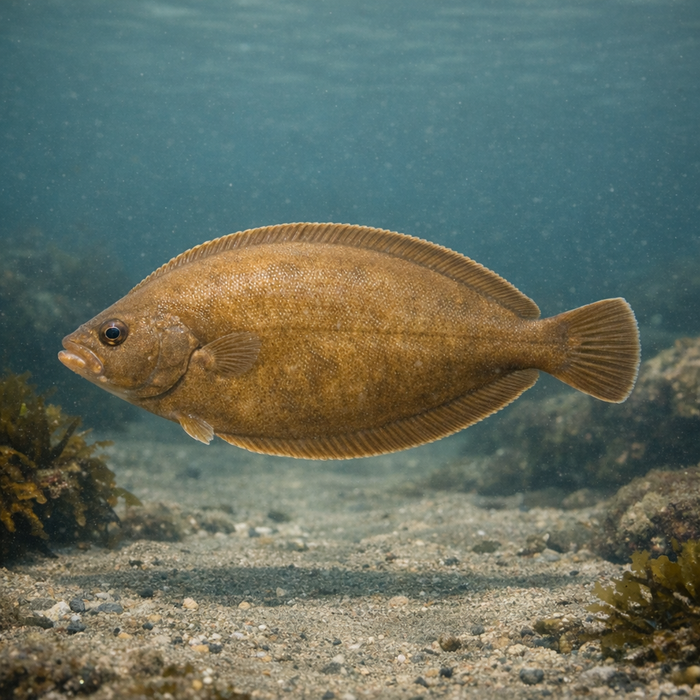
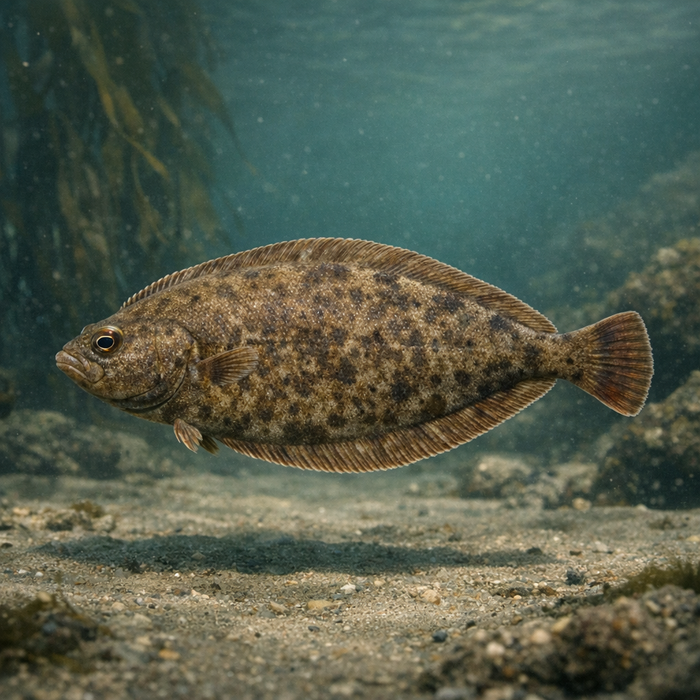
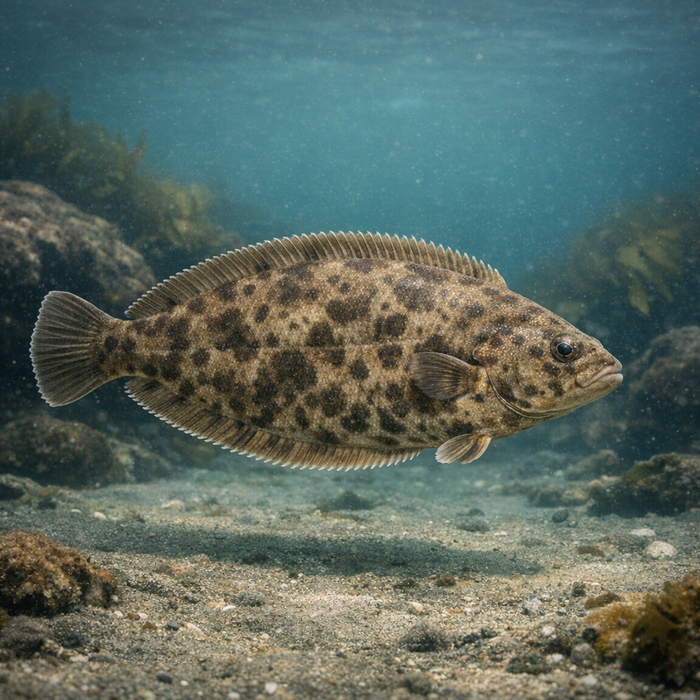
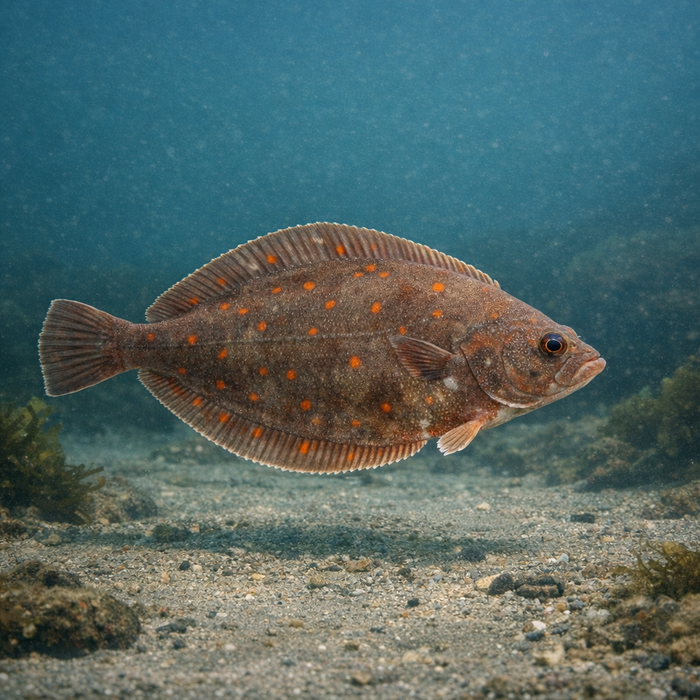
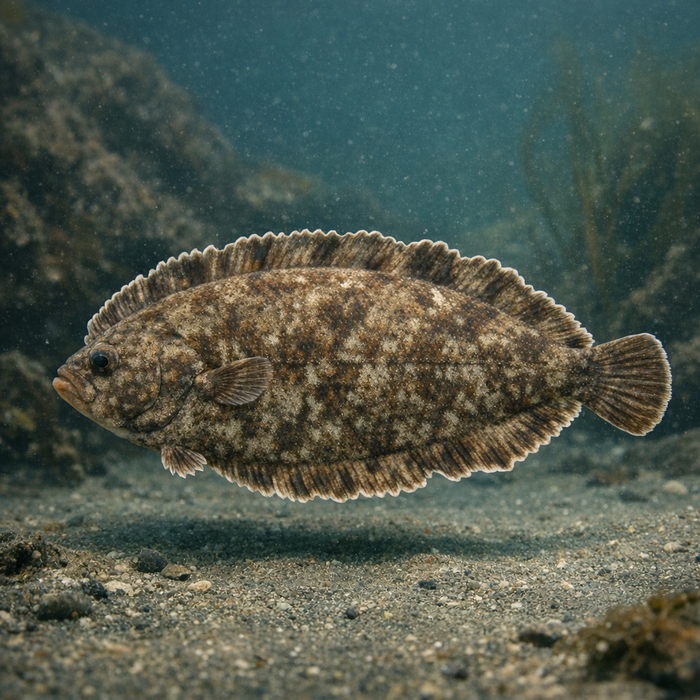
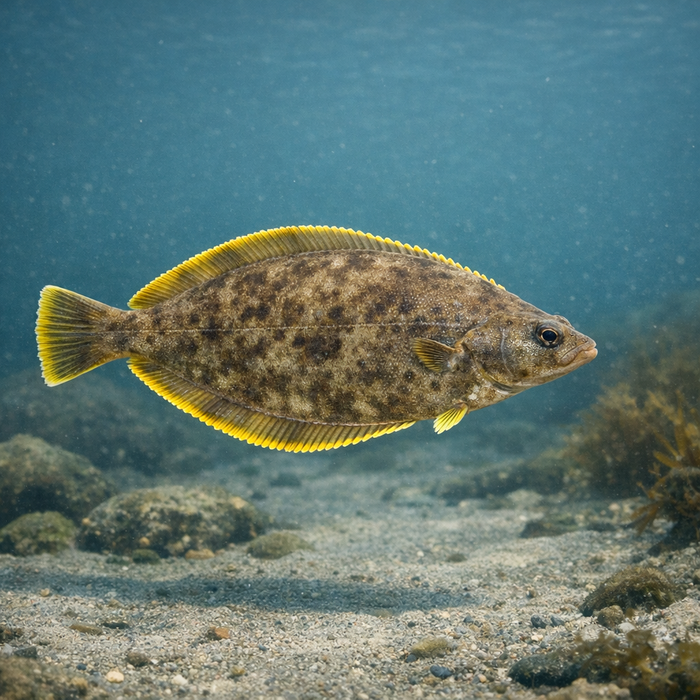
C-O Sole (Pleuronichthys coenosus): A Bold, Memorable Hook LineIntroductionMeet the West Coast's most conspicuous little flatfish: the C-O sole. You don't need to be a marine biologist to spot why it gets that name. Two dark patches on its back resemble the letters C and O, like somebody branded graffiti on a pancake with fins. For anglers working piers, bays, and sand edges, the C-O sole is the dependable side quest-rarely the headliner, but always a welcome surprise that keeps the rod nodding.What Makes the C-O sole Unique?Start with the look. The C-O sole wears its calling card in plain sight, with bold blotches spelling out those quirky letters. It's a right-eyed flounder, meaning both eyes migrate to the fish's right side during development. That allows it to lie flush against the seafloor and scan upward for passing snacks. And unlike heavy-hitting halibut, the C-O sole is small and precise, geared for worms, tiny crustaceans, and soft-bodied morsels it can vacuum from the sand. Nimble camouflage, quick sand-burying, and tidy nightlife make it a stealth operator in shallow water.Habitat & Global RangeIf you're searching for C-O sole habitat intel, here's the gist: it thrives along the Eastern Pacific from Alaska to Baja California, hugging sandy and muddy bottoms in bays, estuaries, and nearshore coastal zones. Depths range from knee-deep shoreline flats to a couple hundred feet, but light-tackle anglers typically meet them in protected waters with gentle current and structure transitions. Eelgrass edges, channel drop-offs, and the toe of the surf line are all solid neighborhoods. They handle a bit of brackish water too, which explains their frequent cameos around tidal sloughs and river mouths.Behavior & TemperamentThe C-O sole is a low-drama ambush artist. It spends serious time half-buried, eyes raised just above the sand like periscopes. When something edible drifts within range, it doesn't sprint so much as it lunges, flaring fins and inhaling the target. Peak activity often lines up with dawn, dusk, and moving tides. Don't expect long chases or surface mayhem. The bite can feel like a soft tap or weighty pressure, and the fight is gentlemanly: short bursts, then a mellow glide to the net. For piers and jetties, that's perfect-steady action without chaos.Ecological ImportanceSmall flatfish like the C-O sole knit coastal food webs together. As bottom predators they clean up amphipods, worms, and juvenile crustaceans. In turn, they're a reliable protein snack for larger fish, birds, and marine mammals. Their camouflage and flat profile make them hard to spot, which keeps them feeding and reproducing efficiently. Populations benefit from the productivity of estuaries, and their larvae drift in the plankton before settling-an elegant life cycle that links nearshore nursery grounds with the broader coastal ocean.Conservation & Environmental PressuresCurrently listed as Least Concern, the C-O sole isn't waving red flags. Still, it's not bulletproof. Estuary health matters, and these fish rely on clean, oxygen-rich bottom habitat. Excessive sedimentation, eelgrass loss, low-oxygen events, and chemical runoff can all chip away at local abundance. They're also frequently bycatch in small-scale and recreational fisheries. Fortunately, their small size and hardy nature reduce severe pressure, but they depend on the continued health of bays and nearshore flats to keep numbers strong.The FishyAF TakeThe C-O sole is proof that a fish doesn't need to be huge to be cool. Those letter-shaped blotches make it instantly recognizable, and its laid-back attitude makes it ideal for beginners practicing bottom tactics. As far as C-O sole facts go, here's the keeper: this is a confidence fish. Show up with light tackle, a bit of bait, and a tide with some pulse and you'll likely tangle with one. If you're dialing in new water, the C-O sole is like a friendly scout that tells you your rig, your bait, and your spot are working. And sometimes that's exactly the win you need.